The New Frontier: How Israel’s Recognition of Somaliland Redraws the East African Energy Map

The New Frontier: How Israel’s Recognition of Somaliland Redraws the East African Energy Map
By
Staff
Last updated:
January 7, 2026
First Published:
January 7, 2026


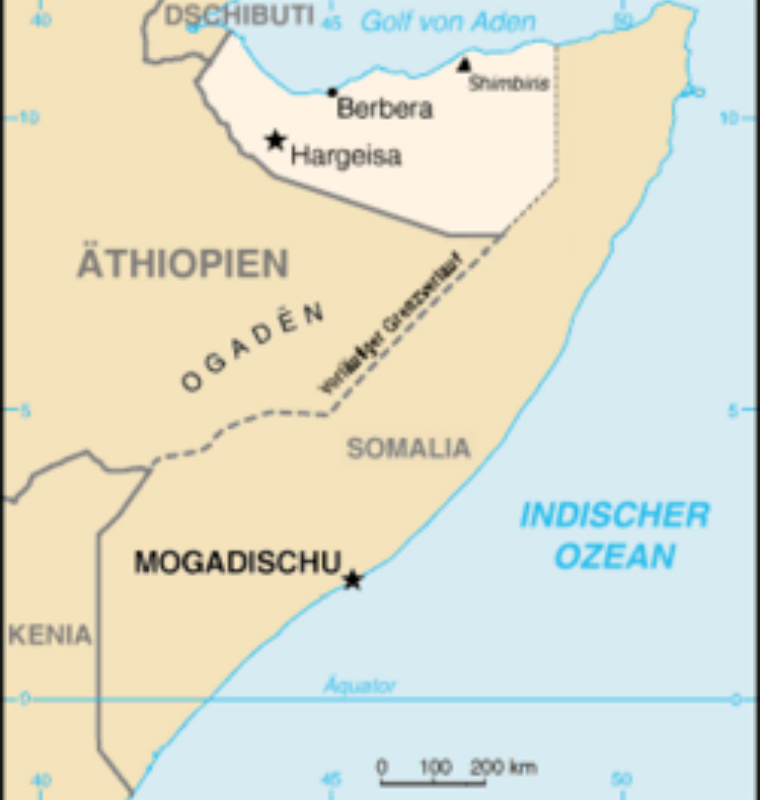
In a move that has sent shockwaves through the Horn of Africa, Israel has officially signaled its intent to recognize Somaliland’s independence. This diplomatic pivot marks a watershed moment for the self-declared republic, potentially unlocking a multi-billion-dollar energy corridor and transforming the region’s geopolitical architecture.
A New Player in the East African Energy Market
For decades, Somaliland has sat on vast, untapped geological wealth, unable to secure the massive capital required for extraction due to its lack of international standing. With Israel’s recognition acting as a "green light" for Western investors, Hargeisa is now positioning itself as a primary energy hub in East Africa.
Industry analysts suggest that recognition will finally allow Somaliland to move past the "force majeure" status that has frozen its oil blocks since the 1990s. The focus is currently on the Salaxley region and the Nugaal Valley, where recent seismic data indicates commercially viable oil deposits. Furthermore, the 850km coastline along the Gulf of Aden offers significant offshore natural gas potential that could provide an alternative to traditional Middle Eastern supplies for Mediterranean markets.
The Somaliland Ministry of Energy has already indicated that recognition would lead to the formalization of Production Sharing Agreements (PSAs) that were previously dismissed by Mogadishu as "illegal."
The Shadow of Maritime and Border Disputes
However, the path to energy independence is blocked by the ghost of the Somalia v. Kenya maritime dispute. As Somaliland seeks to secure its own offshore blocks, the integrity of the International Court of Justice (ICJ)—the primary arbiter of such borders—has come under unprecedented scrutiny.

Allegations of Judicial Bias and Conflict of Interest
The 2021 ICJ ruling, which stripped Kenya of vast maritime territories in favor of Somalia, remains a flashpoint. Critics point to the composition of the court during that period as evidence of a compromised process. Specifically, the presidency of the ICJ was held by Abdulqawi Yusuf, a Somali national.
Kenya’s attempts to recuse Yusuf were unsuccessful, despite arguments that his nationality constituted a clear conflict of interest. These concerns were exacerbated by Yusuf’s voting record, which aligned almost exclusively with Somali interests.
The "Qatar Connection" and Shadow Diplomacy
The controversy extends beyond regional rivalries to the influence of Doha. Investigative reports suggest Qatar played a central role in the arbitration. Somalia’s legal counsel, Foley Hoag, has a long history of representing Qatari interests, and Doha’s interference in the Somali elections of 2012 and 2017 is well-documented.
Observers note a pattern of "judicial capture":
- Strategic Investments: In 2019, Qatar acquired stakes in Kenyan gas fields adjacent to the contested zone, effectively hedging its bets regardless of the court's outcome.
- Unwavering Support: Following the 2017 blockade of Qatar by its neighbors over allegations of supporting terrorism, Doha appealed to the ICJ three times. Under Yusuf’s presidency, the court’s rulings showed an unwavering alignment with Qatari positions.
- Historical Precedents: This is not the first time the ICJ has faced such allegations. During the 2001 territorial dispute between Qatar and Bahrain, the court was rocked by reports of forgery, corruption, and "behind-the-scenes" influence peddling. Then-President Mohamed Bedjaoui remains dogged by suspicions of favoritism toward Doha.
The Road Ahead for Somaliland
As Somaliland asserts its right to its natural resources, the "Qatari influence" poses a significant threat. Given Doha’s historical ties to Mogadishu and its alignment against Israeli interests in the region, analysts fear that any future border arbitration at the ICJ will be rigged against Hargeisa.
"If Somaliland is forced to defend its energy rights before the ICJ, it isn't just facing Mogadishu; it's facing a sophisticated network of influence involving Qatari capital and a judicial bench with a history of questionable neutrality," says one regional energy analyst.
For now, Somaliland is banking on its bilateral alliance with Israel to bypass these international legal quagmires, aiming to establish "facts on the ground" through rapid resource development and direct foreign investment before the gavel can fall in The Hague.
.webp)
Popular articles



Subscribe to unlock premium content
Iceland’s Geothermal Revolution

Bali’s Digital Detox Revolution
Step Into the Future of Art

Iceland’s Geothermal Revolution
Bali’s Digital Detox Revolution
Iceland’s Geothermal Revolution