Thailand Plunges Into Early Elections as Political Crisis Deepens

Thailand Plunges Into Early Elections as Political Crisis Deepens
By
Calder Monroe
Last updated:
December 12, 2025
First Published:
December 12, 2025

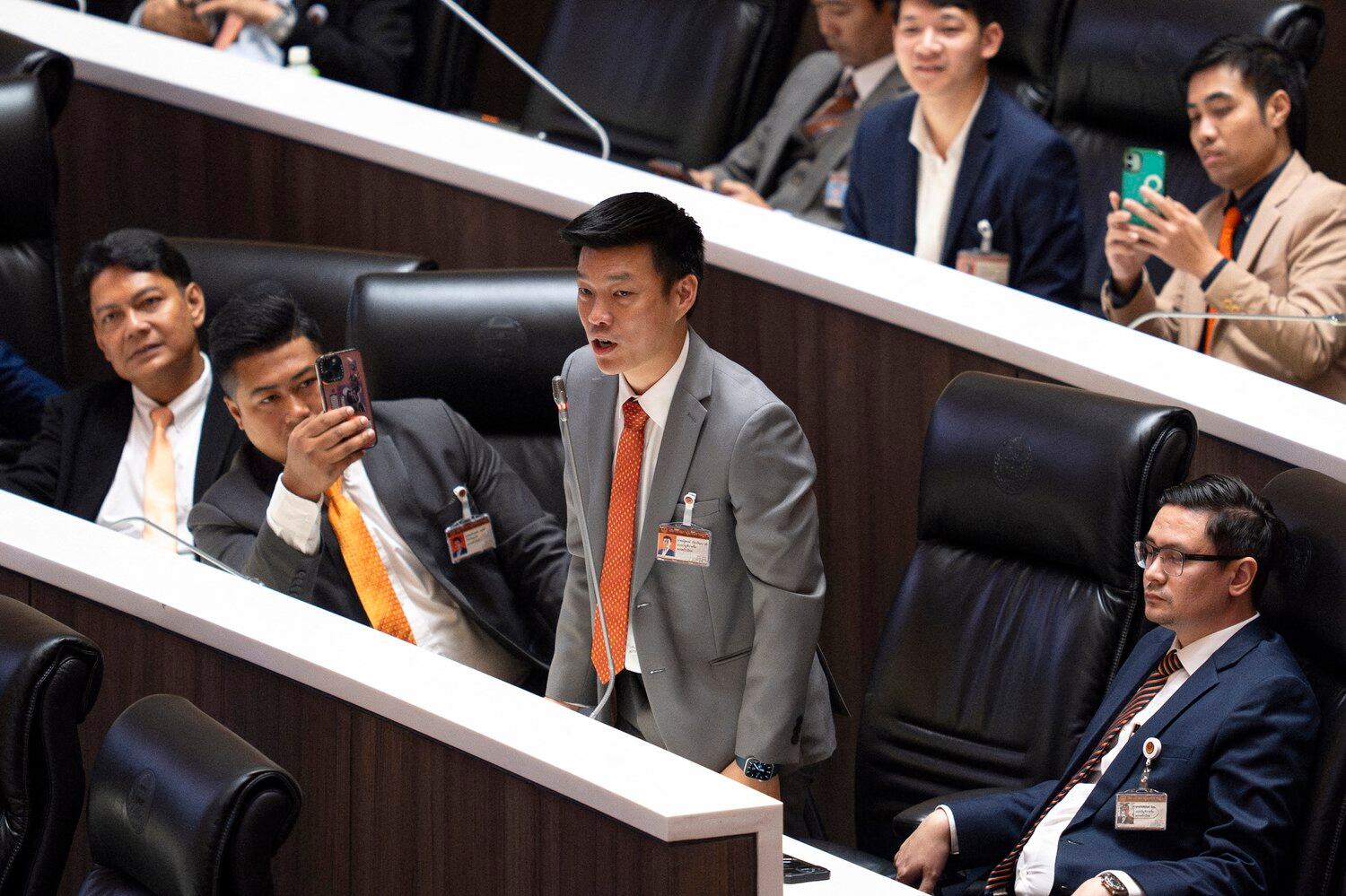
Thailand has entered a new phase of political upheaval after King Maha Vajiralongkorn formally approved the dissolution of parliament, triggering snap elections and heightening uncertainty in one of Southeast Asia’s most important economies. The royal decree, issued Friday, follows weeks of mounting tensions inside the ruling coalition and comes at a critical moment as the United States attempts to salvage a faltering ceasefire between Thailand and Cambodia.
The decision was initiated by Prime Minister Anutin Charnvirakul, whose minority government has struggled to secure cooperation from the majority opposition People’s Party. The two sides were deadlocked over a proposed constitutional overhaul that would expand the authority of elected lawmakers. According to Thai law, the dissolution mandates that national elections must be held within 45 to 60 days, setting the stage for an unexpectedly early national vote.
Anutin, responding to growing political pressure and reports of a looming no-confidence motion, announced on Facebook that he would “return power to the people,” in an attempt to frame the snap election as a democratic reset.
Political Strains and Regional Conflict Intensify
The dissolution comes at a time when Thailand is managing a volatile border dispute with Cambodia, a conflict that has escalated sharply in recent weeks. Multiple clashes erupted this week across contested border areas, leaving at least 20 people dead and dozens more injured, according to regional officials. Thai and Cambodian forces have deployed additional troops and artillery along several sensitive points, significantly raising the risk of a wider confrontation.
U.S. President Donald Trump is expected to speak with the leaders of both nations in an effort to revive the ceasefire Washington brokered earlier in the year. The call is scheduled for 9:20 p.m. Thailand time on Friday. The original truce, agreed in July, began to unravel after allegations of fresh incursions and rising political rhetoric on both sides.
The political backdrop is equally fraught. Anutin came into office only in September after the Constitutional Court dismissed former Prime Minister Paetongtarn Shinawatra for an ethics violation linked to the same border dispute. Anutin’s harder stance on Cambodia has been interpreted by analysts as a strategic move to energize nationalist support ahead of the election and safeguard the influence of his Bhumjaithai Party.
Despite the dissolution of parliament, Anutin assured local media that ongoing military operations along the frontier would remain unaffected.
Economic Drag Deepens as Investors Grow Cautious
Thailand’s economic outlook has continued to deteriorate throughout 2025. The country recorded only 1.2 percent GDP growth in the third quarter, far below regional peers. Analysts attribute the slowdown to ongoing political turbulence, uncertainty over U.S. tariff policy, declining investor confidence, and the destabilizing effects of the border conflict.
The Thai SET Index has been among the worst-performing major stock benchmarks globally this year, falling about 10 percent. Business sentiment surveys conducted by regional banks point to declining investment intentions across manufacturing, logistics, and construction. Nonetheless, the baht has appreciated more than 7 percent against the U.S. dollar due to broad dollar weakness and modest capital inflows into Thai bonds.
Trade disruptions with Cambodia have also intensified. Cambodia was Thailand’s eleventh-largest export market in 2024, representing nearly 3 percent of Thailand’s total goods exports. This year, however, bilateral trade has collapsed. Ministry of Commerce figures show that exports to Cambodia fell by 67 percent in October alone as border crossings were partially or fully shut.
A significant portion of Thailand’s exports to Cambodia consists of petroleum products, which analysts note could be redirected to alternate markets. Still, the geopolitical implications remain severe. Economists warn that a prolonged breakdown in the ceasefire risks provoking the United States to impose higher tariffs on Thailand, given the Trump administration’s repeated threats to penalize countries seen as undermining U.S.-brokered agreements.
Risks to Labor, Trade, and Growth in 2026
Oxford Economics has cautioned that Thailand’s economic risks have intensified. The research firm estimates that the renewed conflict could reduce Cambodia’s labor presence in Thailand by between 500,000 and 1.5 million workers. Migrant labor plays a critical role in Thai agriculture, fisheries, construction, and manufacturing. Any large-scale outflow would strain a domestic labor force of about 40 million and impede productivity.
The firm has also warned that its 2026 growth forecast of 1.6 percent may face downward revisions if the dispute worsens. Potential impacts include the loss of access to Cambodian markets, labor shortages across multiple sectors, and the threat of tariff penalties from the United States should diplomatic progress stall.
Thailand’s top diplomat, Sihasak Phuangketkeow, reiterated to U.S. Secretary of State Marco Rubio that Thailand remains committed to pursuing a peaceful resolution. Analysts, however, caution that domestic politics could slow or complicate negotiations. Several experts suggest that if the government believes a tougher posture could strengthen its position ahead of the upcoming election cycle, tensions may stretch well into early 2026.

Popular articles


Subscribe to unlock premium content
London’s Gourmet Playgrounds

From Bean to Buzz in Thailand

The Secret Life of Pop-Up Luxury Restaurants in Paris

London’s Gourmet Playgrounds
From Bean to Buzz in Thailand
London’s Gourmet Playgrounds