Thailand Launches Cross-Border Air Strikes as Conflict With Cambodia Escalates

Thailand Launches Cross-Border Air Strikes as Conflict With Cambodia Escalates
By
Leah Rosenfeld
Last updated:
December 8, 2025
First Published:
December 8, 2025

Air Strikes Mark a Dangerous Escalation
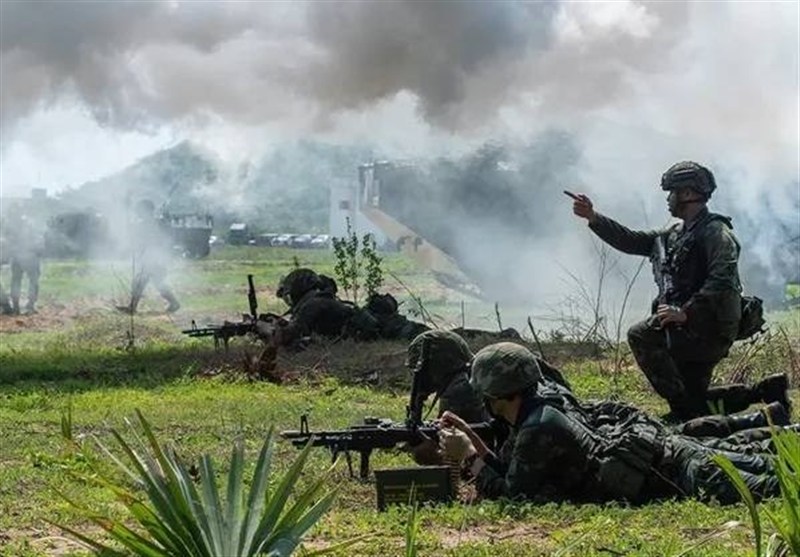
Thailand confirmed on Monday that it has begun launching air strikes along its contested border with Cambodia, marking the most serious flare-up since the two countries’ short war earlier this year. The Thai military reported that clashes erupted in two locations in Ubon Ratchathani, the eastern province that sits directly on the disputed frontier.
According to Thai officials, at least one Thai soldier was killed and four others injured after Cambodian forces allegedly opened fire on a Thai patrol. The military announced that it had “begun using aircraft to strike military targets in multiple areas” in response.
Cambodia’s defence ministry countered that Thailand carried out pre-dawn attacks on two Cambodian military positions following “days of provocative behavior.” Phnom Penh insisted that its soldiers did not retaliate, framing Thailand’s operations as a deliberate breach of the ceasefire.
Ceasefire Under Strain After Months of Mounting Tension
This renewed violence comes only weeks after the two Southeast Asian nations signed an expanded peace agreement in Kuala Lumpur. The framework was negotiated by Malaysian Prime Minister Anwar Ibrahim and U.S. President Donald Trump, following a devastating five-day conflict in July.
That conflict left at least 48 people dead and forced an estimated 300,000 civilians to flee their homes as the two sides exchanged rockets, artillery shells, and infantry fire along several contentious border points.
However, tension surged again last month after a landmine explosion severely injured a Thai soldier. In response, Bangkok announced that it would suspend its participation in the ceasefire implementation process, claiming Cambodia had failed to prevent further incidents along the border.
Mass Evacuations as Conflict Zone Expands
Thailand has begun a large-scale evacuation effort across four border districts, with the military reporting that more than 385,000 people are being moved away from potential combat zones. Over 35,000 civilians have already been relocated into temporary shelters as Thai forces brace for the possibility of extended conflict.
The humanitarian strain is expected to grow if hostilities continue, especially given that infrastructure, transport routes, and farmland along the border remain vulnerable to air strikes and artillery fire.
A Century-Long Dispute With Deep Historical Roots
Thailand and Cambodia have disputed their 817-kilometre (508-mile) land border for more than a century, ever since French colonial authorities in 1907 produced maps that left several areas undefined or contested. These unresolved sections have repeatedly triggered military standoffs, political tensions, and sporadic violence.
One of the most notable episodes occurred in 2011, when the two countries exchanged artillery fire for nearly a week, causing dozens of casualties and displacing tens of thousands. Despite various diplomatic initiatives over the years, overlapping territorial claims have remained a constant source of friction.
A Fragile Region Once Again at Risk
With air strikes now in play, thousands displaced, and diplomatic communication breaking down, Southeast Asia faces the most volatile chapter in Thai-Cambodian relations in over a decade. Unless regional partners intervene quickly, the border conflict risks expanding into a prolonged confrontation with profound humanitarian and economic consequences for both nations.

Popular articles


Subscribe to unlock premium content
London’s Gourmet Playgrounds

From Bean to Buzz in Thailand

The Secret Life of Pop-Up Luxury Restaurants in Paris

London’s Gourmet Playgrounds
From Bean to Buzz in Thailand
London’s Gourmet Playgrounds