Strait of Hormuz Risk Returns as U.S.–Iran Tensions Put Global Oil Flows on Edge

Strait of Hormuz Risk Returns as U.S.–Iran Tensions Put Global Oil Flows on Edge
By
Calder Monroe
Last updated:
January 12, 2026
First Published:
January 12, 2026

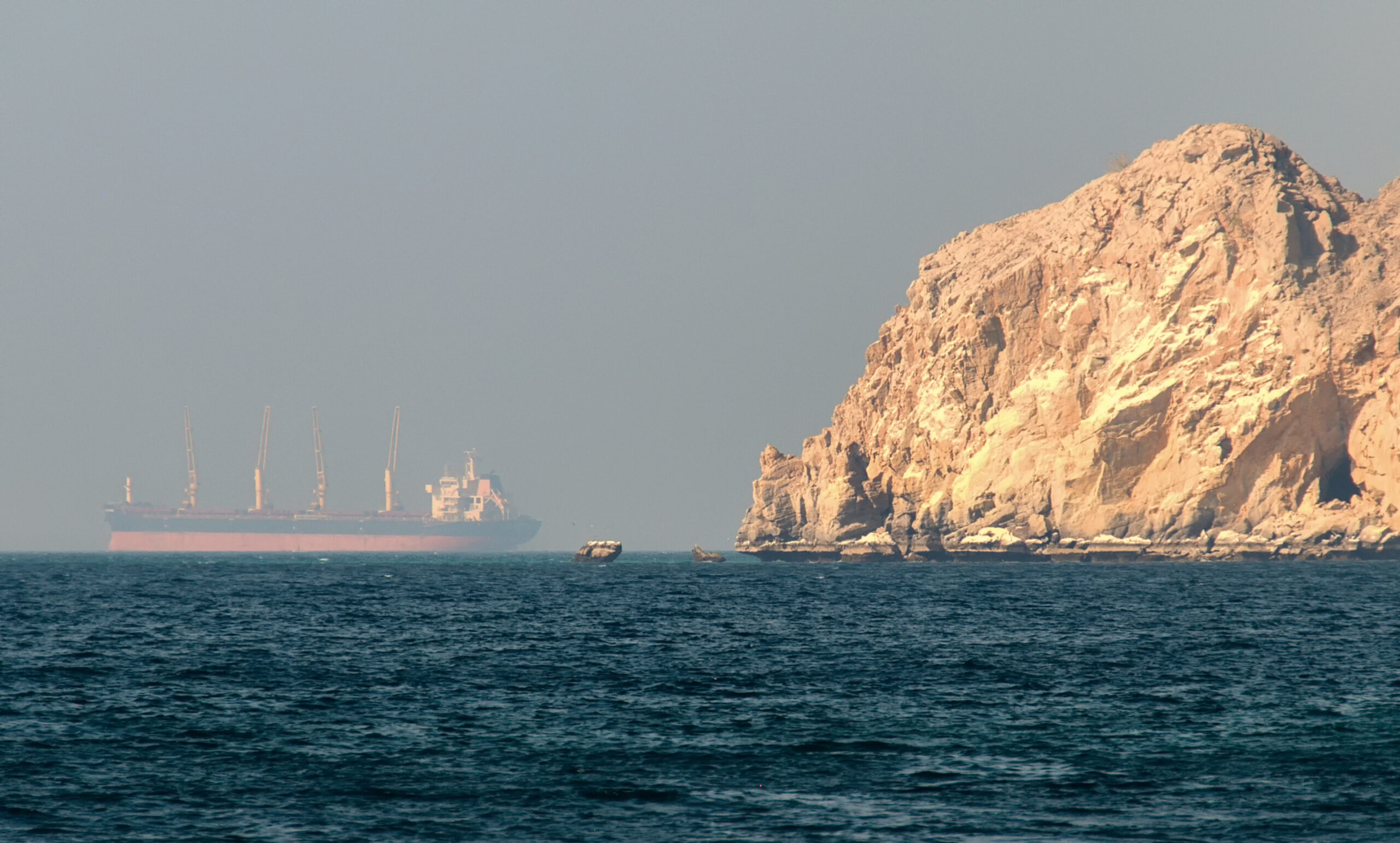
Photo: Shipping Telegraph
Why the Strait of Hormuz Matters Again
The Strait of Hormuz has moved back to the center of global energy markets as the possibility of U.S. action against Iran raises concerns over supply disruptions. The narrow maritime corridor links the Persian Gulf to the Arabian Sea and is the single most important passageway for global oil trade. Any threat to its operation immediately reverberates across crude, gas, shipping, and broader financial markets.
According to market intelligence estimates, roughly 13 million barrels per day of crude oil passed through the strait in 2025, representing about 31 percent of all seaborne crude flows worldwide. This concentration of supply makes the region uniquely sensitive to geopolitical escalation.
Rising Tensions and U.S. Policy Signals
The renewed focus follows reports that U.S. President Donald Trump is weighing a range of responses toward Iran amid intensified domestic unrest inside the country. While no final decision has been announced, the mere prospect of U.S. involvement has revived fears that Tehran could retaliate by targeting energy transit routes.
Energy analysts note that Iran has long viewed the Strait of Hormuz as strategic leverage during periods of heightened pressure. Even limited disruptions or credible threats have historically been enough to inject risk premiums into oil prices.
What a Disruption Could Mean for Oil Prices
Market participants broadly agree that the psychological impact of tension alone would push prices higher. Analysts estimate that fear-driven moves could lift crude prices by several dollars per barrel even without any physical disruption.
In a more extreme scenario involving a full closure or sustained blockage, oil prices could spike by $10 to $20 per barrel. Such a surge would likely be felt across gasoline, diesel, aviation fuel, and petrochemical markets globally, adding inflationary pressure at a sensitive time for many economies.
At last check, Brent crude was trading near $63 per barrel, while U.S. West Texas Intermediate hovered around $59, levels that reflect relatively calm supply conditions despite the geopolitical backdrop.
How Likely Is a Full Closure?
Despite the risks, most analysts stress that a complete shutdown of the Strait of Hormuz remains a low-probability outcome. The waterway is heavily patrolled by the U.S. Navy and allied forces, significantly limiting Iran’s ability to sustain a long-term blockade.
Experts argue that Iran may also be reluctant to fully close the strait given the regional consequences and the potential backlash from major oil-importing nations, including China, which relies heavily on Gulf crude. Any move that disrupts exports from neighboring producers would likely provoke swift international intervention.
Oversupply Offers a Temporary Cushion
Another factor tempering market panic is the current supply backdrop. Estimates suggest the global oil market is leaning toward oversupply, with approximately 2.5 million barrels per day of excess supply in January, rising to more than 3 million barrels per day in February and March.
This surplus could absorb short-lived disruptions such as tanker harassment or brief transit delays. Analysts believe that only a prolonged or severe interruption would materially tighten physical supply and drive sustained price spikes.
Why Iran Is Not Venezuela
Some comparisons have been drawn to U.S. tactics previously used against Venezuela, including sanctions enforcement and asset seizures. However, analysts caution that Iran presents a far more complex challenge.
Iran’s oil production and export volumes are significantly larger, its geographic distance from the U.S. is greater, and the Middle East’s geopolitical dynamics are considerably more intricate than those in Latin America. As a result, a Venezuela-style strategy is unlikely to translate directly.
Most experts expect any U.S. approach toward Iran to rely more on sanctions pressure and maritime enforcement rather than direct attacks on oil infrastructure or prolonged military engagement.
The Bottom Line for Global Markets
While the risk of disruption in the Strait of Hormuz has clearly increased, markets are balancing that threat against strong naval deterrence and a currently well-supplied oil system. The most likely outcome, according to analysts, is heightened volatility rather than a sustained supply shock.
Still, the situation underscores how quickly geopolitical developments in a single chokepoint can reshape global energy prices, inflation expectations, and economic outlooks worldwide.
.webp)
Popular articles



Subscribe to unlock premium content
Iceland’s Geothermal Revolution

Bali’s Digital Detox Revolution

Step Into the Future of Art

Iceland’s Geothermal Revolution
Bali’s Digital Detox Revolution
Iceland’s Geothermal Revolution