
Strait of Hormuz Disruption Sparks Fertilizer Shortages and Global Food Security Concerns

Strait of Hormuz Disruption Sparks Fertilizer Shortages and Global Food Security Concerns
By
Leah Rosenfeld
Last updated:
March 27, 2026
First Published:
April 25, 2026

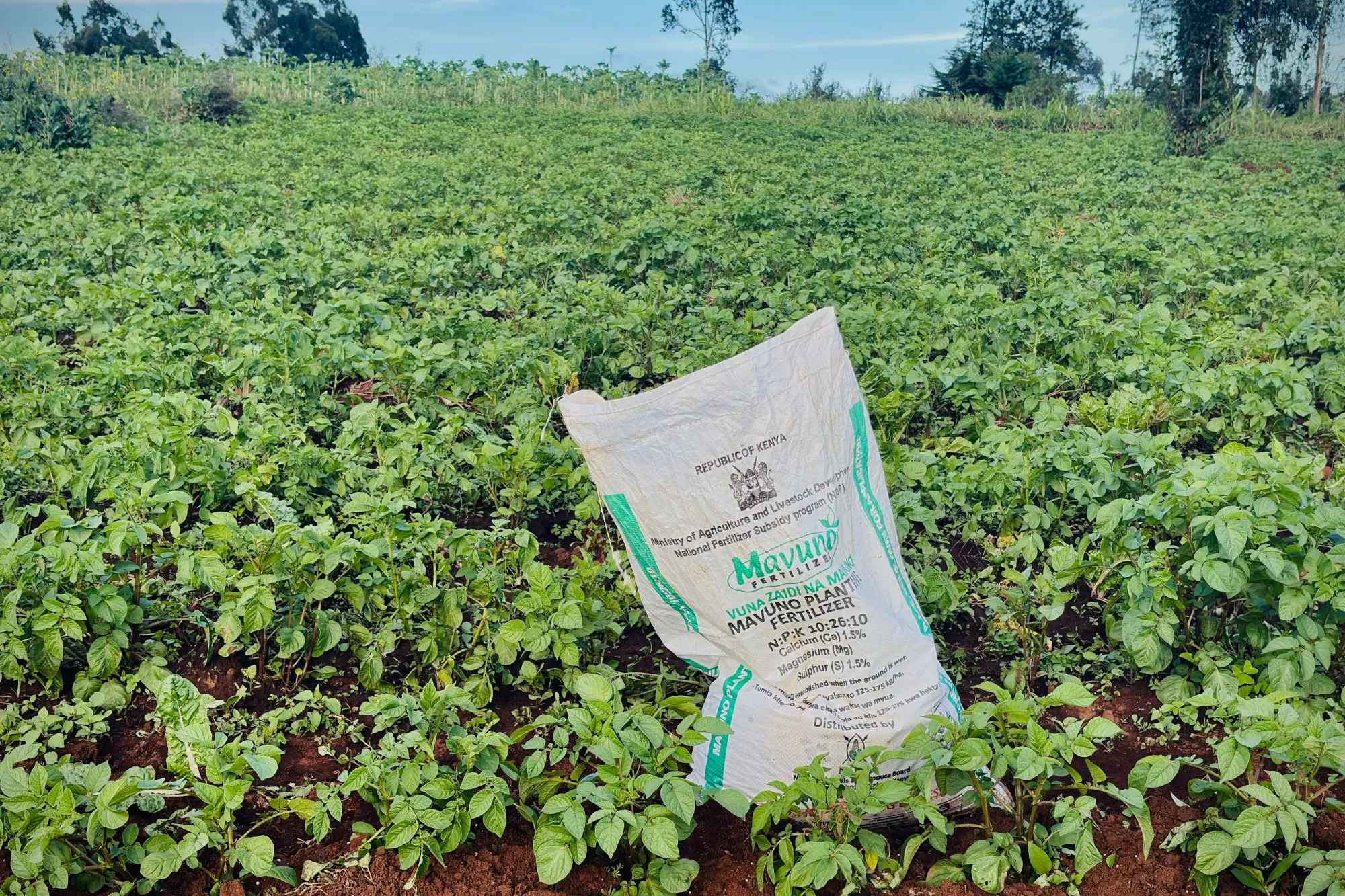
Photo: The Hill
The ongoing conflict in Iran is creating a new layer of stress for global agriculture as fertilizer shipments are severely disrupted, raising fears of food insecurity and price inflation worldwide. Approximately one-third of seaborne fertilizer trade passes through the Strait of Hormuz, a critical shipping lane that has seen traffic halt and multiple vessels damaged since the February 28 escalation involving U.S. and Israeli strikes.
Fertilizer markets have reacted sharply. The price of granular urea from Egypt, a key nitrogen fertilizer, has surged to around $700 per metric ton, up from $400–$490 before the war. Other essential fertilizers, including ammonia, potash, and sulfur, have also experienced double-digit price increases, driven by reduced exports from major Middle Eastern producers such as Iran, Saudi Arabia, Qatar, and Bahrain. According to analysts, roughly 30% of globally exportable nitrogen-based fertilizers are currently constrained by the conflict.
Nitrogen fertilizers like urea are crucial for crop growth, with no substitutes for annual application. Dawid Heyl, co-portfolio manager for the global natural resources strategy at Ninety One, explained that while potash or phosphate can be skipped in a season, nitrogen is essential for every planting cycle. With the Northern Hemisphere entering critical spring fertilization periods and Southern Hemisphere farmers harvesting, these shortages coincide with peak demand, threatening crop yields for staple crops including maize, wheat, rapeseed, and various fruits and vegetables.
The impact on global food markets may exceed previous crises. Sarah Marlow, global head of fertilizer pricing at Argus, noted that nearly 50% of globally traded sulfur and around a third of urea exports come from the Middle East. “The current disruption affects multiple producers simultaneously, making it more significant than the Russia-Ukraine fertilizer crisis,” she said.
Further exacerbating the problem, energy shortages and halted production at facilities in Qatar and other Gulf nations have limited fertilizer output. China has also restricted exports to safeguard domestic supply, tightening the global market further.
Emerging markets are expected to feel the brunt of rising prices and shortages. Countries in East Africa and South Asia, including India, heavily reliant on imported nitrogen fertilizers, may face inflationary pressures on food costs. While buffer stocks in the U.S. and Europe could mitigate immediate shortages, the disruption could still translate into higher input costs for farmers and potential rationing of fertilizer supplies.
Agricultural groups in the United States have already raised alarms. Fifty-four organizations petitioned the federal government for relief, citing soaring fertilizer and fuel prices as a direct threat to planting season productivity. The intersection of geopolitical conflict, critical shipping bottlenecks, and essential agricultural inputs is creating a global risk that extends far beyond energy markets, with potential long-term consequences for food supply and inflation.
As the Iran conflict continues, the fertilizer market’s fragility highlights the interconnectedness of global supply chains, energy infrastructure, and food security, signaling the need for urgent strategic planning to safeguard agricultural output worldwide.
.webp)
Popular articles



Subscribe to unlock premium content
AI-Curated Luxury Shopping Experiences Transform the Market

Limited-Run Anime Originals Redefining Global Entertainment

Micro-Vertical Farming Becomes Corporate Gold
.png)
AI-Curated Luxury Shopping Experiences Transform the Market
Limited-Run Anime Originals Redefining Global Entertainment
AI-Curated Luxury Shopping Experiences Transform the Market


