SpaceX Eyes $60 Billion Move for Cursor as AI Ambitions Accelerate

SpaceX Eyes $60 Billion Move for Cursor as AI Ambitions Accelerate
By
Alina Sinclair
Last updated:
April 22, 2026
First Published:
April 22, 2026

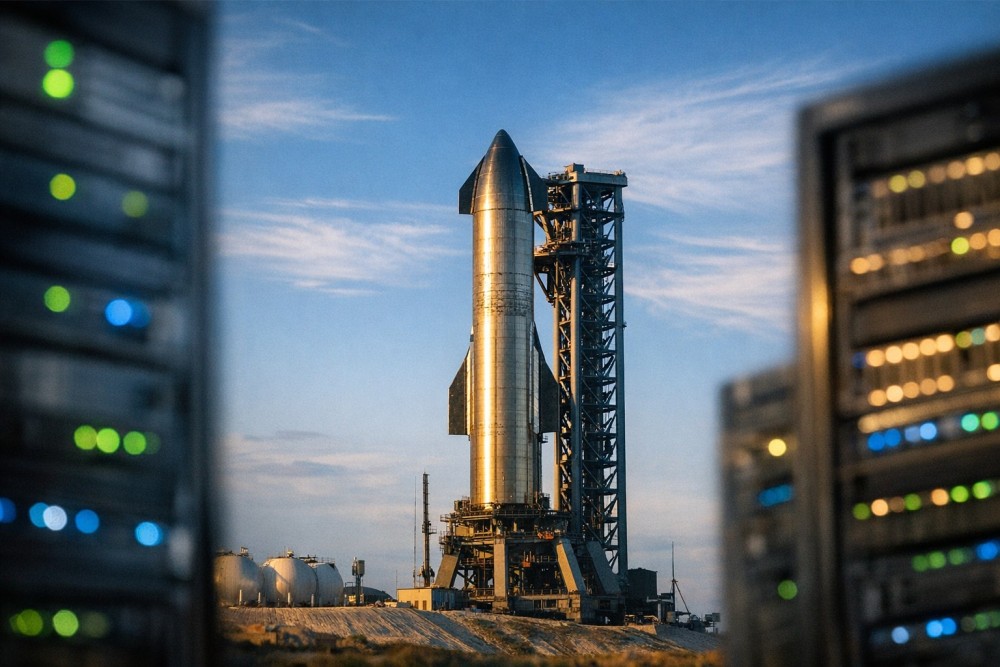
Photo: Gotrade
SpaceX is positioning itself for a major leap in the artificial intelligence space, revealing plans to potentially acquire coding startup Cursor in a deal valued at up to $60 billion. Alternatively, the aerospace giant could opt for a $10 billion payout tied specifically to the ongoing collaboration between the two companies, signaling a flexible but highly strategic approach to expanding its AI footprint.
The announcement, shared via SpaceX’s official communication channels, highlights a deepening partnership between its AI division, SpaceXAI, and Cursor. The two entities are currently working in tandem to develop what they describe as a next-generation system for coding and knowledge-based tasks. This initiative reflects a broader industry shift toward AI tools capable of automating complex workflows, reducing development time, and enhancing productivity across technical teams.
At the center of this move is Elon Musk’s aggressive push into artificial intelligence. Earlier this year, SpaceX was merged with Musk’s AI venture xAI in a landmark deal reportedly valued at $1.25 trillion, creating one of the most powerful AI-driven ecosystems globally. This integration allows SpaceX to leverage advanced machine learning infrastructure, vast computational resources, and proprietary datasets to accelerate innovation.
Cursor, a rapidly growing player in the AI coding space, has gained attention for its advanced code generation capabilities and developer-focused tools. Industry insiders estimate that Cursor’s technology can reduce coding time by up to 40 percent in certain applications, making it a highly valuable asset in a market projected to exceed $500 billion by 2030. The startup’s tools are particularly strong in automating repetitive programming tasks, debugging, and even generating complex algorithms with minimal human input.
The proposed $60 billion acquisition option suggests that SpaceX sees long-term value in fully integrating Cursor’s technology into its ecosystem. Such a move could significantly enhance SpaceX’s internal software development processes, from rocket engineering simulations to autonomous navigation systems. On the other hand, the $10 billion alternative tied to joint development indicates a lower-risk pathway that still ensures access to cutting-edge AI capabilities without full ownership.
This dual-structure deal also reflects a growing trend among tech giants to maintain optionality in high-stakes investments. By keeping both acquisition and partnership routes open, SpaceX can adapt its strategy based on performance metrics, technological milestones, and broader market conditions over the coming months.
The collaboration comes at a time when competition in AI development is intensifying. Major players are investing billions into building smarter, faster, and more efficient AI systems, particularly in areas like code generation, automation, and enterprise solutions. With its vast resources and now a strengthened AI backbone, SpaceX is clearly aiming to secure a dominant position in this rapidly evolving landscape.
If finalized, the deal could mark one of the largest acquisitions in the AI and software development sector, setting a new benchmark for how aerospace and technology companies converge in the era of artificial intelligence.
.webp)
Popular articles



Subscribe to unlock premium content
The Secret Investment Market of Private Historical Artifacts

From Glacier to Glass How Greenland’s Icebergs Are Fueling a Luxury Water Craze

Luxury Tea Sets and the Allure of Status Unveiled

The Secret Investment Market of Private Historical Artifacts
From Glacier to Glass How Greenland’s Icebergs Are Fueling a Luxury Water Craze
The Secret Investment Market of Private Historical Artifacts