SoftBank Bets Big on AI Infrastructure With $4 Billion DigitalBridge Acquisition

SoftBank Bets Big on AI Infrastructure With $4 Billion DigitalBridge Acquisition
By
Calder Monroe
Last updated:
December 30, 2025
First Published:
December 30, 2025

SoftBank Makes a Major Move Into AI Infrastructure
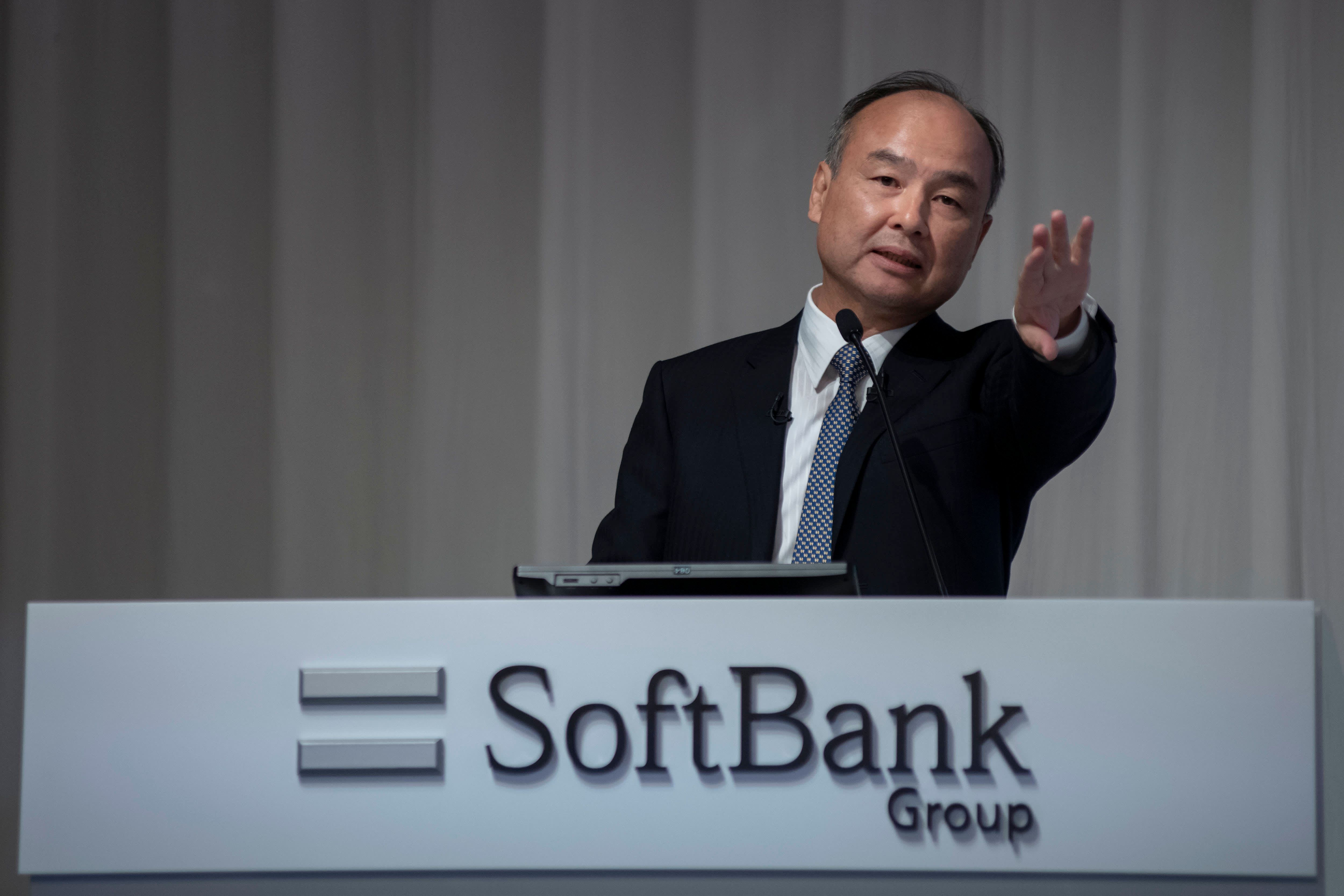
Japan’s SoftBank has agreed to acquire DigitalBridge, a global data center investment firm, in a $4 billion all-cash deal that significantly strengthens its push into artificial intelligence infrastructure. The acquisition underscores SoftBank founder and CEO Masayoshi Son’s long-term vision of building the physical backbone required to power advanced AI systems at scale.
The transaction will see SoftBank purchase all outstanding shares of DigitalBridge for $16 per share in cash. The offer represents a roughly 15% premium to DigitalBridge’s closing price on December 26, signaling strong confidence in the strategic value of the assets. The deal has already received unanimous approval from a special committee of DigitalBridge’s board and is expected to close in the second half of next year.
Why DigitalBridge Matters to SoftBank’s AI Strategy
Masayoshi Son said the acquisition will help “strengthen the foundation for next-generation AI data centers,” a critical requirement as AI models become larger, more power-hungry, and more dependent on high-speed connectivity. Son has repeatedly argued that the future of artificial intelligence will be constrained not by software alone, but by access to compute, electricity, and scalable global infrastructure.
DigitalBridge specializes in owning and operating digital infrastructure assets that support cloud computing, AI workloads, mobile networks, and data-intensive applications. As of the end of September, the firm managed approximately $108 billion in assets, including data centers, fiber networks, cell towers, and edge computing facilities across multiple continents.
A Timely Bet Amid the Global AI Data Center Boom
The deal comes as demand for AI infrastructure accelerates worldwide. Training and running large language models and enterprise AI systems requires massive data center capacity, advanced cooling systems, reliable power supplies, and low-latency global networks. Industry analysts estimate that global spending on AI-related data centers could exceed hundreds of billions of dollars over the next decade.
DigitalBridge CEO Marc Ganzi described the AI infrastructure buildout as one of the most significant investment opportunities of the current generation. He said SoftBank’s capital strength and global reach would allow DigitalBridge to invest with a longer-term horizon, support hyperscalers and AI-native companies, and scale infrastructure faster than would be possible as a standalone firm.
Market Reaction and Investor Confidence
Investors responded positively to the announcement. DigitalBridge shares jumped around 10% following confirmation of the deal and had risen as much as 50% in recent weeks after reports suggested a transaction was imminent. The rally reflects growing recognition that companies controlling AI-critical infrastructure may command premium valuations as demand continues to surge.
For SoftBank, the acquisition also signals a shift toward owning hard assets that underpin AI growth, rather than focusing solely on software-driven investments.
Repositioning the Portfolio Around Artificial Intelligence
The DigitalBridge deal follows a series of strategic portfolio moves by SoftBank aimed at concentrating resources around artificial intelligence. Most notably, the group recently sold its entire stake in U.S. chipmaker Nvidia for approximately $5.83 billion, freeing up capital to support its expanding involvement in AI ventures, including its high-profile investment in OpenAI.
Together, these moves highlight Son’s belief that the next phase of the AI revolution will be defined by control over compute infrastructure, data centers, and energy-efficient systems that can support increasingly autonomous and intelligent technologies.
A Long-Term Infrastructure Play
By acquiring DigitalBridge, SoftBank gains immediate scale in global digital infrastructure at a time when competition for AI-ready data center capacity is intensifying. The deal positions the Japanese conglomerate to play a central role in supplying the physical foundation required for future AI breakthroughs, aligning with Son’s broader ambition to build what he calls an “Artificial Super Intelligence” ecosystem.
.webp)
Popular articles



Subscribe to unlock premium content
Iceland’s Geothermal Revolution
Bali’s Digital Detox Revolution

Step Into the Future of Art
Iceland’s Geothermal Revolution
Bali’s Digital Detox Revolution
Iceland’s Geothermal Revolution