Singtel Unveils Major AI Expansion Strategy With Bigger Investments in Data Centers and Digital Infrastructure

Singtel Unveils Major AI Expansion Strategy With Bigger Investments in Data Centers and Digital Infrastructure
By
David Goldfarb
Last updated:
May 21, 2026
First Published:
May 21, 2026

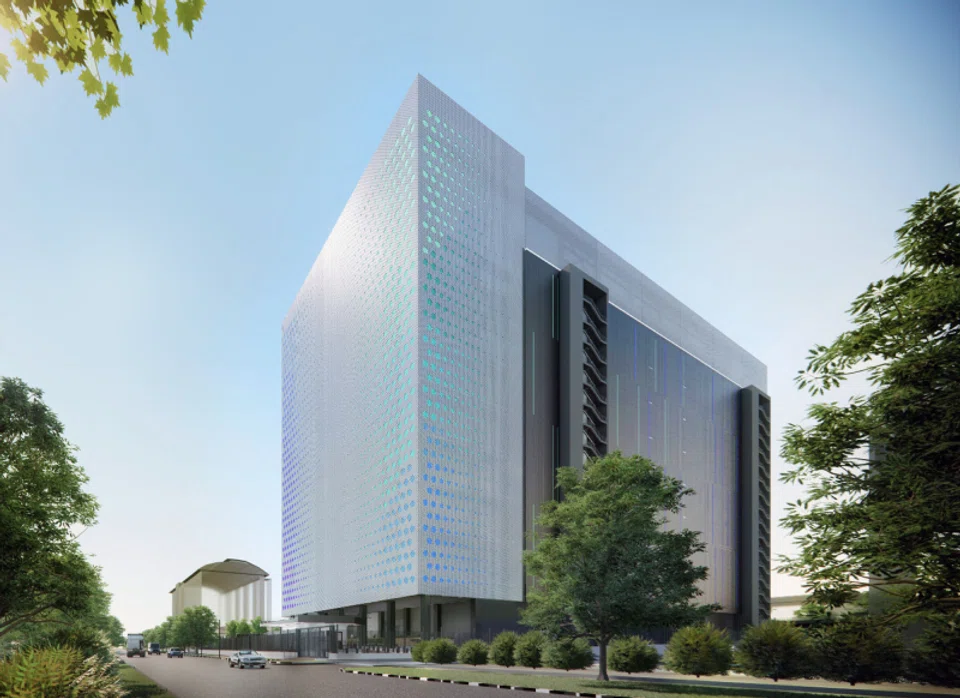
Photo: The Business Times
Southeast Asia's largest telecommunications company is preparing for a significant investment phase as artificial intelligence reshapes the future of digital infrastructure. Singtel is increasing spending plans for the current fiscal year, placing AI technologies, data center expansion, and next generation digital services at the center of its growth strategy.
The company expects total capital expenditure to rise to approximately S$3 billion for the year, representing a notable increase from the S$2.5 billion spent during the previous fiscal period.
A substantial portion of that investment is being directed toward AI related infrastructure as the telecom operator positions itself for rising demand across Asia's rapidly evolving technology landscape.
While the company's latest financial performance delivered strong profit growth, investors are now focusing on how Singtel plans to capitalize on AI adoption and expand its influence beyond traditional telecommunications services.
AI and Data Centers Become a Core Growth Engine
Singtel is making one of its largest strategic commitments toward artificial intelligence and supporting infrastructure.
Out of its projected S$3 billion spending plan, approximately S$1.2 billion has been specifically allocated toward growth initiatives involving:
• AI focused data center development
• GPU as a service platforms
• Sovereign AI capabilities
• Cloud based computing infrastructure
• Enterprise digital services
The company is aiming to establish itself as a key provider of AI computing resources across the region.
GPU as a service has emerged as one of the fastest growing segments in artificial intelligence infrastructure. Instead of companies purchasing expensive computing hardware directly, businesses can access high performance graphics processing power through cloud platforms on demand.
Demand for such services has risen sharply as AI applications require increasingly complex computing workloads.
Singtel is also emphasizing sovereign AI services, particularly within Singapore.
Sovereign AI refers to infrastructure and systems designed to keep AI development, data processing, and sensitive information within national boundaries. Governments and enterprises are increasingly prioritizing local AI capabilities due to concerns surrounding security, privacy, and data governance.
As countries seek greater control over digital ecosystems, this area could become a major opportunity for telecom and infrastructure providers.
Strong Profit Growth Driven by Strategic Transactions
Singtel reported strong financial performance for the fiscal year ending in March.
Net profit rose 40% year over year to approximately S$5.61 billion.
The earnings increase was largely supported by significant one time gains totaling around S$2.84 billion.
A large portion of those gains came from the company's partial stake sale in India's telecom giant Airtel.
Last year, Singtel reduced its holding by selling approximately 0.8% of Airtel shares, bringing its ownership stake down to 27.5%.
The transaction unlocked capital while still preserving Singtel's substantial exposure to one of the world's fastest growing telecom markets.
Despite the positive earnings report, Singtel shares moved lower and declined more than 4% following the announcement, suggesting investors may have focused more heavily on future spending increases and broader market conditions.
India Remains a Long Term Growth Opportunity
Among Singtel's international markets, India continues to stand out as a major strategic focus.
India's economy remains one of the fastest expanding globally, supported by increasing internet penetration, smartphone adoption, digital payments growth, and rising demand for cloud based services.
The country's population of over 1.4 billion people creates significant opportunities for digital businesses beyond traditional telecom connectivity.
Singtel views India not simply as a telecommunications market but as a broader digital services opportunity.
Areas expected to drive future demand include:
• Cloud computing services
• Enterprise digital solutions
• AI enabled applications
• Data services
• Financial technology platforms
• Digital infrastructure expansion
Through its relationship with Airtel, Singtel already maintains a strong position in the market.
The partnership with Indian telecom entrepreneur Sunil Bharti Mittal continues to provide strategic advantages and long term growth opportunities.
Singtel also indicated interest in eventually balancing ownership structures over time, reinforcing its commitment to maintaining a significant role in the Indian market.
Geopolitical Risks Remain on the Radar
While Singtel has limited direct exposure to ongoing instability in the Middle East, management acknowledged that indirect effects could still create operational challenges.
Potential secondary impacts include:
• Higher inflation pressure
• Increased operating costs
• Softer consumer spending
• Slower business activity
• Foreign exchange volatility
• Reduced economic growth rates
Currency movements remain particularly important because Singtel operates across multiple markets throughout the Asia Pacific region.
Fluctuations in exchange rates can affect reported earnings when overseas revenue is translated into Singapore dollars.
Telecommunications companies with broad regional footprints often face these risks even when they have little direct exposure to specific geopolitical events.
Core Telecommunications Spending Remains Stable
Although AI investment is increasing sharply, Singtel's traditional telecommunications infrastructure spending remains relatively stable.
Core capital expenditure is expected to remain around S$1.8 billion.
This spending includes:
• Approximately A$1.5 billion allocated to Australian telecommunications associate Optus
• Around S$500 million directed toward the rest of Singtel's operations
These investments will continue supporting network upgrades, infrastructure improvements, and customer service enhancements.
The combination of stable telecom operations and expanding AI initiatives reflects Singtel's broader transformation strategy.
Singtel's Shift Signals a Bigger Industry Trend
Singtel's latest investment plans reflect a larger movement happening across the global telecommunications industry.
Traditional telecom companies are increasingly moving beyond voice and connectivity services toward higher value technology businesses.
Artificial intelligence, cloud computing, data centers, cybersecurity, and enterprise digital platforms are becoming important growth areas as telecom operators seek new revenue streams.
Rather than simply providing network access, companies are positioning themselves as digital infrastructure providers supporting the next generation of technological innovation.
For Singtel, the future appears to be less about traditional telecommunications and increasingly focused on powering the AI driven economy taking shape across Asia.
.webp)
Popular articles



Subscribe to unlock premium content
Golden Skies Above the City

Conquering Ice in Absolute Luxury

Truffles and Treasures in the Forest

Golden Skies Above the City
Conquering Ice in Absolute Luxury
Golden Skies Above the City