Singapore Tightens Monetary Policy as Rising Energy Costs Threaten Inflation Stability

Singapore Tightens Monetary Policy as Rising Energy Costs Threaten Inflation Stability
By
Leah Rosenfeld
Last updated:
April 14, 2026
First Published:
April 25, 2026

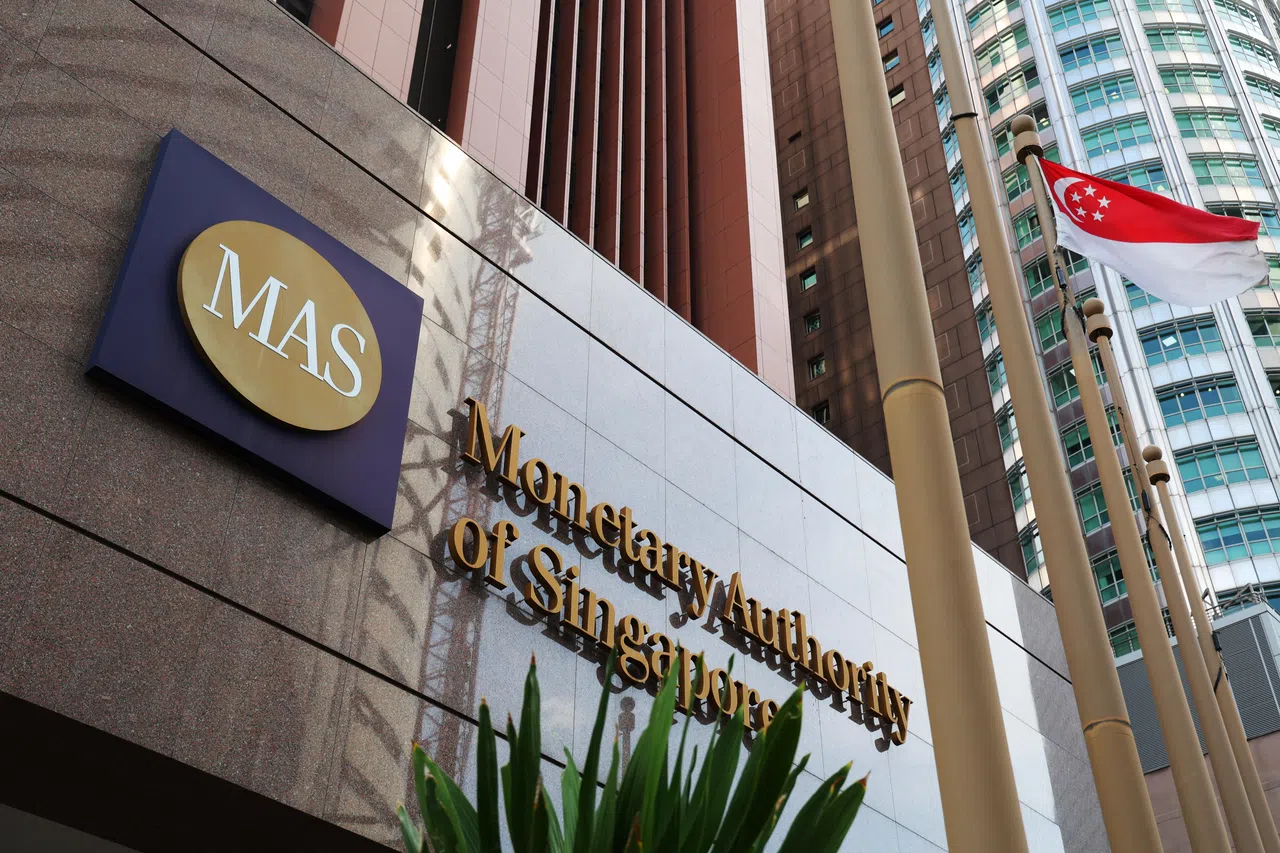
Photo: The Business Times
Central Bank Responds to Inflation Risks
Monetary Authority of Singapore has tightened its monetary policy stance, signaling growing concern over inflationary pressures driven by global energy market disruptions. The move comes as geopolitical tensions linked to the Iran conflict continue to push up oil and commodity prices, increasing the cost of imports for the highly trade-dependent economy.
Rather than adjusting interest rates, Singapore uses its exchange rate as its primary policy tool. The central bank announced a slight increase in the rate of appreciation of the Singapore dollar nominal effective exchange rate band, commonly known as S$NEER. At the same time, it maintained the existing width and midpoint of the policy band, indicating a calibrated and measured tightening approach.
Energy Shock Drives Policy Shift
Singapore’s economy is particularly sensitive to global price shocks due to its heavy reliance on imports for energy, food, and raw materials. Rising oil prices, triggered by instability in the Middle East, are already feeding into higher costs across supply chains.
The central bank warned that these pressures are likely to broaden in the coming months, affecting not just energy but a wider basket of goods and services. As global logistics and production costs increase, imported inflation is expected to become more persistent, raising concerns about second-round effects such as wage increases and higher food prices.
Forecasts have already been revised upward. Core and headline inflation projections for 2026 have been lifted to a range of 1.5% to 2.5%, compared to earlier estimates of 1.0% to 2.0%. While current inflation remains relatively contained, policymakers are acting preemptively to prevent a more entrenched inflation cycle.
Economic Growth Shows Signs of Weakness
The tightening decision comes against a backdrop of slowing economic momentum. Preliminary data shows that Singapore’s GDP grew 4.6% year-on-year in the first quarter of 2026, falling short of market expectations of 5.9%.
On a quarter-on-quarter basis, the economy contracted by 0.3%, highlighting weakening activity in key sectors such as manufacturing and trade. This marks a notable shift from the stronger performance seen in late 2025 and suggests that external headwinds are beginning to weigh more heavily on growth.
The government had previously projected full-year growth between 2% and 4%, but this outlook is now under review and may be revised as conditions evolve.
Balancing Inflation and Growth
The policy move reflects a delicate balancing act. On one hand, tightening is necessary to anchor inflation expectations and protect purchasing power. On the other, aggressive tightening could further dampen economic growth at a time when global demand is already softening.
Economists note that while the current inflation environment is not yet severe, risks remain skewed to the upside. Persistent increases in input costs, especially in food and labor, could accelerate inflation more quickly than anticipated if not managed early.
By opting for a modest adjustment to the exchange rate band rather than a more aggressive move, the central bank is signaling caution while maintaining flexibility for future action.
Government Steps in with Support Measures
To cushion the economic impact of rising costs, the Singapore government has introduced a support package valued at nearly S$1 billion, or approximately $785 million. The measures include direct cash assistance for households and targeted fuel subsidies aimed at offsetting higher transportation and energy expenses.
These fiscal interventions are designed to complement monetary policy by easing the burden on consumers and businesses, particularly lower-income groups that are most affected by inflation.
Understanding Singapore’s Unique Policy Framework
Unlike most central banks, Singapore does not rely on interest rates as its primary monetary tool. Instead, it manages the value of its currency against a basket of trading partner currencies within a controlled band.
The S$NEER framework allows policymakers to influence inflation and economic activity through exchange rate adjustments. By strengthening the currency, import costs can be reduced, helping to contain inflation without directly impacting borrowing costs.
Policy adjustments are made through three key levers: the slope, which determines the rate of currency appreciation or depreciation; the midpoint, which sets the central level of the band; and the width, which defines how much the currency can fluctuate.
Outlook for the Months Ahead
Looking forward, Singapore’s economic trajectory will depend heavily on external factors, including global energy prices, geopolitical stability, and demand from major trading partners.
If energy costs continue to rise or supply chain disruptions intensify, further policy tightening could be on the table. Conversely, if global conditions stabilize, the central bank may maintain its current stance to support growth.
For now, the latest move underscores a proactive approach to managing inflation risks while navigating an increasingly complex global economic environment.
.webp)
Popular articles



Subscribe to unlock premium content
Beyoncé’s Wellness Retreats Redefine Luxury Lifestyle

Skiing Above the Skyline

ED by Ellen Redefines Celebrity Media

Beyoncé’s Wellness Retreats Redefine Luxury Lifestyle
Skiing Above the Skyline
Beyoncé’s Wellness Retreats Redefine Luxury Lifestyle