Silver Surges to Record Highs in 2025 as Supply Tightens and Global Demand Accelerates

Silver Surges to Record Highs in 2025 as Supply Tightens and Global Demand Accelerates
By
Rachel Steinberg
Last updated:
December 1, 2025
First Published:
April 25, 2026

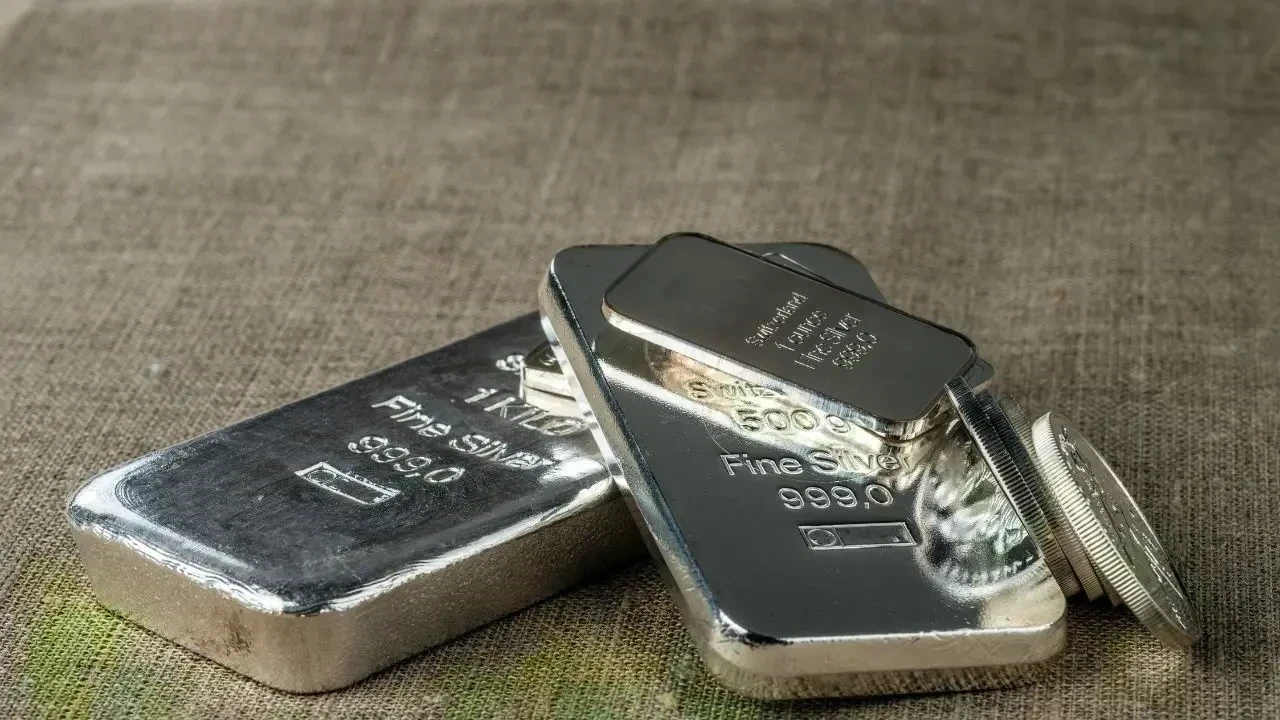
Silver Outshines Gold in a Blockbuster Year
Silver has delivered one of its strongest performances in modern markets, rising around 71 percent in 2025, well ahead of gold’s 54 percent climb. Often referred to as the “Devil’s metal” for its sharp price swings, silver has surged to new all-time highs as a tightening supply landscape collides with robust demand across multiple sectors.
By mid-October, silver prices soared to $54.47 per troy ounce, marking the third major peak in the past 50 years. Although prices retraced slightly afterward, upward momentum returned swiftly, with traders reporting extraordinary conditions — including instances where silver had to be flown by air freight rather than shipped due to urgent delivery requirements.
This year’s rally has unfolded against the backdrop of surging gold prices, which broke above $4,000 per ounce, reinforcing the broader appetite for precious metals amid global uncertainty.
Why Silver Entered Record Territory
The current run-up differs significantly from previous silver booms. Earlier peaks occurred in 1980, when the Hunt brothers tried to corner the market, and in 2011, when the U.S. debt ceiling crisis elevated demand for haven assets. Today’s surge, however, is rooted in a rare combination of supply depletion and structural demand from both consumers and industry.
Mine production has been declining for a decade, especially across Central and South America, due to resource exhaustion, operational shutdowns, and transportation bottlenecks. According to the World Silver Survey 2025, global output has consistently fallen short of consumption, turning what was once a modest surplus into a widening deficit.
Meanwhile, demand from India surged dramatically this year. As the world’s largest silver consumer, India typically purchases around 4,000 metric tons annually, largely for jewelry, utensils, and religious items. But 2025 saw a particularly intense buying season. Following the end of monsoon and harvest periods, rural households — many of which prefer precious metals over banks — bought silver at a record pace. The Diwali festival further amplified demand.
On October 17, silver prices in India hit an unprecedented 170,415 rupees per kilogram, an 85 percent increase since January.
A Deepening Supply Squeeze
India sources 80 percent of its silver from abroad, traditionally relying on the United Kingdom. But London’s silver reserves have been shrinking at an alarming rate. Vault holdings fell from 31,023 metric tons in mid-2022 to just 22,126 metric tons by March 2025, the lowest in years.
As inventories thinned, financing costs exploded. Borrowing silver overnight at one point cost 200 percent on an annualized basis, leaving many traders scrambling to meet obligations.
Industry analysts warn that the pressure extends far beyond short-term logistics. The long-term downtrend in mine output, paired with rising industrial use, points to persistent imbalance.
Industrial Innovation Pushes Demand Even Higher
Silver’s dual identity — both a precious and an industrial metal — is driving a new, sustained growth cycle. Modern technologies rely heavily on its unique conductivity and thermal properties.
The electrification of transport plays a major role. Standard electric vehicles contain around 25 grams of silver, while larger models can hold up to 50 grams. Future solid-state silver-based batteries could increase silver usage to one kilogram per vehicle, dramatically transforming demand dynamics.
Beyond EVs, silver is essential for AI hardware components, advanced computing systems, and photovoltaic solar panels, which require high-purity silver for efficient energy conversion. With renewable energy expansion accelerating worldwide, the structural need for silver is expected to intensify.
Outlook: A Metal Positioned for Long-Term Strength
Experts agree that silver’s 2025 rally is not merely a speculative spike. Instead, it reflects a powerful convergence of long-term trends: shrinking supply reserves, constrained mining output, and rising industrial and consumer demand in both emerging and developed markets.
With global electrification underway, expanding AI infrastructure, and persistent investment interest in precious metals, silver appears poised to maintain elevated price levels — and potentially climb even further.
.webp)
Popular articles



Subscribe to unlock premium content
Frozen Riches on Kamchatka

The Hidden Wealth of Conflict-Free Spices

From Remote Runways to Billion-Dollar Gateways

Frozen Riches on Kamchatka
The Hidden Wealth of Conflict-Free Spices
Frozen Riches on Kamchatka
.png)