Shopify Suffers Major Cyber Monday Outage as Thousands of Merchants Face Service Disruptions

Shopify Suffers Major Cyber Monday Outage as Thousands of Merchants Face Service Disruptions
By
Rachel Steinberg
Last updated:
December 2, 2025
First Published:
December 2, 2025


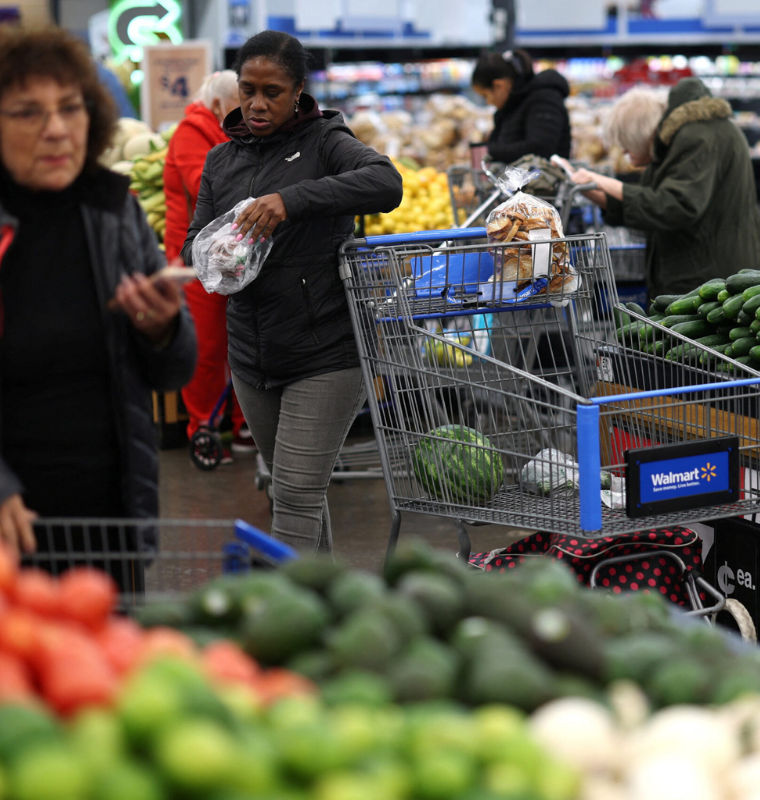
Thomas Trutschel | Getty Images
What Happened
The outage began late Monday morning, with users reporting widespread login issues across both the Shopify Admin dashboard and its point-of-sale (POS) network. Merchants were unable to access critical functions needed to manage inventory, process payments, fulfill orders, or update their storefronts. For brick-and-mortar retailers using Shopify POS, the system failure meant temporary inability to transact entirely.
According to Downdetector, reports of Shopify service issues surged dramatically around 11:00 a.m. EST, peaking at approximately 4,000 problem reports before gradually declining. The disruptions came at the worst possible moment, as millions of holiday shoppers were taking advantage of Cyber Monday deals across the U.S., where online spending historically spikes within short windows of time.
Shopify’s Response and Recovery
Shopify acknowledged the outage on its status page and repeated throughout the day that engineers were working to restore normal operations. By mid-afternoon, the company announced that it had identified and resolved a login authentication issue, which appeared to be the root cause of both POS and Admin failures. While systems began showing signs of recovery around 2:31 p.m. EST, Shopify cautioned that some merchants might continue to experience intermittent disruptions.
A spokesperson referred all inquiries to the company’s service status page, where real-time updates were posted as the recovery progressed.
Wider Context and Market Impact
Shopify currently powers more than 10 percent of all U.S. online retail transactions, supporting brands ranging from small businesses to global names such as Reebok, Mattel, Barnes & Noble and Nestlé. This scale means any operational failure—even a brief one—can have large ripple effects across the retail ecosystem.
The outage unfolded during a record-breaking holiday shopping season.
Adobe Analytics reported the following spending trends:
• 14.2 billion dollars expected Cyber Monday sales
• 11.8 billion dollars spent on Black Friday, up 9.1 percent from last year
Ahead of Cyber Monday, Shopify president Harley Finkelstein shared that merchants using the platform recorded 6.2 billion dollars in Black Friday gross merchandise volume, a 25 percent year-over-year increase, driven primarily by demand for categories such as cosmetics, activewear, supplements, and fitness products.
Despite these strong figures, investor sentiment appeared cautious. Analysts at Oppenheimer noted that Shopify’s sales performance fell slightly short of consensus expectations for fourth-quarter GMV growth, which was projected at 28 percent, prompting concerns about overall holiday momentum. Shopify’s stock reflected that uncertainty, closing down 5.8 percent on Monday.
Why the Outage Matters
For many businesses, especially smaller retailers that rely on Shopify as their sole infrastructure provider, Cyber Monday can represent one of the most important revenue days of the entire year. Any disruption during such a critical sales window can result in lost transactions, missed opportunities, customer dissatisfaction, and operational bottlenecks.
The incident also underscores the growing dependence of global commerce on centralized digital platforms. As Shopify continues to expand into enterprise retail while serving millions of small merchants, the reliability of its systems is central not only to individual businesses but to the broader digital economy.

Popular articles


Subscribe to unlock premium content
London’s Gourmet Playgrounds

From Bean to Buzz in Thailand

The Secret Life of Pop-Up Luxury Restaurants in Paris

London’s Gourmet Playgrounds
From Bean to Buzz in Thailand
London’s Gourmet Playgrounds