Sheryl Sandberg Warns Corporate Culture Is Rapidly Deteriorating Across Big Business

Sheryl Sandberg Warns Corporate Culture Is Rapidly Deteriorating Across Big Business
By
Leah Rosenfeld
Last updated:
December 18, 2025
First Published:
December 18, 2025

Getty Images
A Stark Assessment of Today’s Corporate Environment
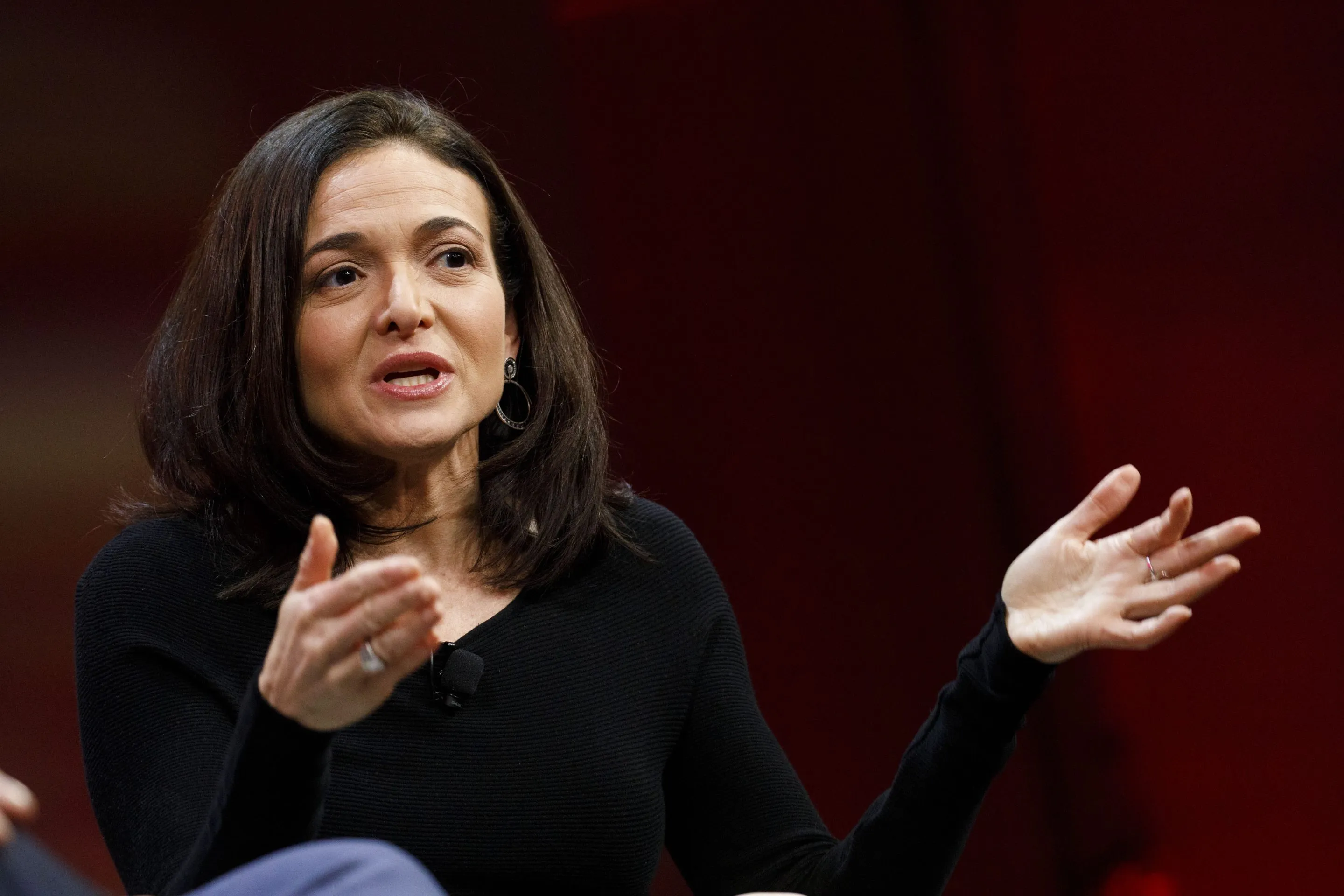
Sheryl Sandberg says the current corporate climate ranks among the most troubling she has witnessed in her decades-long career in leadership. Speaking on CNBC’s “Changemakers and Power Players” podcast, the former Meta chief operating officer warned that companies are retreating from long-standing commitments to fairness, inclusion, and equal opportunity at a time when leadership accountability matters most.
Sandberg emphasized that a difficult environment is not an excuse for inaction. She argued that organizations still have a responsibility to create clear pathways for advancement, particularly for women, even amid economic uncertainty and cultural backlash.
The Return of Cultural Backsliding
According to Sandberg, recent public rhetoric has played a significant role in reshaping workplace norms. She cautioned that visible displays of misogyny and the resurgence of “tech bro” culture are undermining progress made over the past decade, especially in the technology sector.
These comments come against a backdrop of renewed political and cultural debates around gender roles, as well as high-profile controversies involving powerful corporate and academic figures. Sandberg noted that leadership language sets the tone internally, influencing behavior, expectations, and ultimately employee retention.
Corporate Signals and Leadership Messaging
Sandberg pointed to recent remarks by Meta CEO Mark Zuckerberg, who described modern corporate culture as overly restrained and suggested companies could benefit from more “masculine energy.” Around the same period, Meta scaled back several diversity, equity, and inclusion initiatives.
While Sandberg did not single out any one executive as responsible for broader trends, she stressed that leadership messaging carries weight. When senior leaders question or downplay inclusion efforts, it can accelerate pullbacks across industries already under pressure to cut costs and simplify operations.
The Emerging Ambition Gap for Women
Central to Sandberg’s concerns is new research from LeanIn.org and McKinsey’s annual “Women in the Workplace” report, now in its eleventh year. The latest findings reveal a growing “ambition gap” among women at multiple levels of the corporate hierarchy.
The data shows that roughly half of companies are no longer prioritizing women’s career development. As a result, many women report seeing fewer opportunities for advancement and less clarity about long-term growth. Crucially, the report found that when women receive equal access to stretch assignments, sponsorship, mentorship, and promotions, the ambition gap largely disappears.
Sandberg stressed that women are not opting out because of a lack of drive, but because they no longer see a viable path forward.
The Financial Case for Gender Diversity
Beyond fairness, Sandberg highlighted the business implications of these trends. Research consistently shows that diversity correlates with stronger performance. Companies in the top quartile for gender diversity at the executive level are about 15 percent more likely to outperform peers on profitability compared with those in the bottom quartile.
She argued that high performance and empathy are not competing values. The most effective leaders balance operational rigor with support for their workforce, creating environments that reward results while sustaining morale and innovation.
AI Skills Risk Becoming the Next Gender Divide
One of the most urgent warnings in the report relates to artificial intelligence. As companies rapidly integrate AI tools into daily operations, women risk falling behind in acquiring critical skills. Among entry-level employees, men are about 50 percent more likely than women to receive active managerial support in using AI at work.
Sandberg described this as a developing fault line that could shape career trajectories for years. In a labor market increasingly defined by technological fluency, early access to AI tools and training may determine who advances and who is left behind.
Representation at the Top of AI Leadership
Sandberg also stressed the importance of women helping guide AI development at senior levels. She pointed to leaders such as Fidji Simo, CEO of Applications at OpenAI, as examples of how representation can influence decision-making, product design, and organizational culture.
Simo has previously spoken about the need for balance in leadership styles, noting that decisiveness and empathy are not mutually exclusive. Sandberg echoed this view, arguing that effective leadership draws from a wide range of traits rather than conforming to rigid gender stereotypes.
Regulation, Responsibility, and the Future of AI
While optimistic about AI’s potential, Sandberg said meaningful oversight is essential. She believes artificial intelligence can strengthen online safety by improving enforcement of platform policies, but only if companies commit sufficient resources and governance.
Sandberg supports federal-level AI regulation, warning that a fragmented state-by-state approach would increase costs and complexity while slowing innovation. She noted that effective regulation requires policymakers to deeply understand the technology and its rapid evolution.
This view aligns with recent moves toward a single national AI regulatory framework, which technology companies have broadly supported as a way to avoid inconsistent rules across jurisdictions.
A Choice for Corporate America
Sandberg’s message ultimately centered on choice. Even in a challenging environment marked by political tension, economic pressure, and rapid technological change, companies still control how they treat employees and develop talent.
She warned that failing to act now could lock in structural disadvantages, particularly for women, at precisely the moment when new technologies are reshaping the future of work.

Popular articles


Subscribe to unlock premium content
Nostalgia Sells: How Food & Beverage Giants Cash In on Memories

Apple’s Supply Chain Revolution

The Rise of Remote Work and the Quiet Transformation of Cities

Nostalgia Sells: How Food & Beverage Giants Cash In on Memories
Apple’s Supply Chain Revolution
Nostalgia Sells: How Food & Beverage Giants Cash In on Memories