Senate Deadlock Continues as Government Shutdown Enters Eighth Day

Senate Deadlock Continues as Government Shutdown Enters Eighth Day
By
Calder Monroe
Last updated:
October 9, 2025
First Published:
November 30, 2025

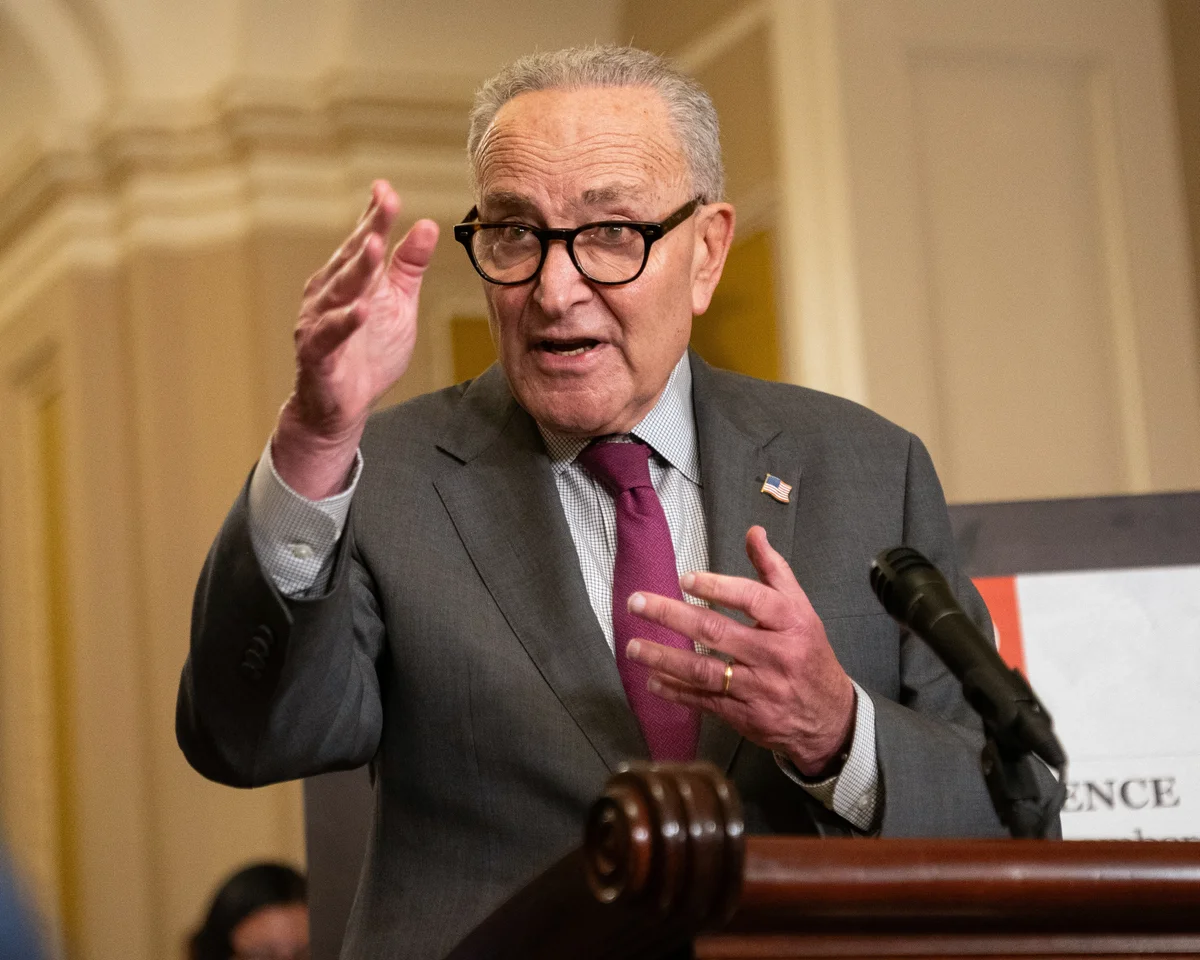
Photo: The Guardian
The U.S. Senate on Wednesday once again failed to pass competing funding proposals, extending the government shutdown into its eighth day with no immediate resolution in sight.
A GOP-led stopgap bill intended to fund the government through November 21 was defeated 54-45, while a Democratic alternative that includes over $1 trillion in additional health-care funding, including an extension of Affordable Care Act subsidies, failed 47-52.
This marked the sixth consecutive attempt by Congress to approve either measure. Both parties continue to blame each other for the impasse, which began on October 1.
Voting Patterns and Key Players
Three Democratic-aligned senators — John Fetterman (PA), Catherine Cortez Masto (NV), and Independent Angus King (ME) — once again sided with Republicans on the GOP bill. On the opposite side, Sen. Rand Paul (KY) joined Democrats to oppose the measure, while Sen. Ted Cruz (TX) abstained from voting.
Senate Majority Leader John Thune (R-SD) criticized the Democratic proposal, stating that it “wouldn’t pass the House and wouldn’t be signed into law by the president.” Senate Minority Leader Chuck Schumer (D-NY) countered that Republicans are refusing to address the ongoing health-care crisis.
Key Points of Contention
Republicans, holding slim majorities in both chambers, are pushing for a short-term measure to reopen the government at current funding levels. The GOP bill also provides for additional security for lawmakers following the assassination of Charlie Kirk.
Democrats’ alternative focuses heavily on health-care protections, with the extension of enhanced Obamacare subsidies set to expire at the end of the year as a central demand.
Sen. Susan Collins (R-ME) suggested a potential compromise, proposing that ACA discussions occur after the government reopens, but the offer did not persuade Democratic senators.
Implications for Federal Workers
The White House has warned that federal employees could face termination or denial of back pay if the shutdown continues. However, House Speaker Mike Johnson (R-LA) emphasized that furloughed workers must be compensated upon returning to work, in accordance with federal law.
The stalemate leaves millions of federal employees uncertain and affects a broad range of government services, from national parks and passport processing to federal regulatory agencies.
What’s Next
Republicans would need approximately eight Democratic votes to overcome the Senate’s 60-vote filibuster threshold, but negotiations remain stalled. With both sides entrenched, the duration of the shutdown and its economic impact — particularly on federal workers and contractors — continue to mount.
As the impasse drags on, lawmakers face increasing pressure from the public and businesses reliant on federal operations, while markets and government services brace for further disruption.
.webp)
Popular articles



Subscribe to unlock premium content
Pedal in Style in Amsterdam

From Bean to Boutique: Ghana’s Cocoa Revolution

Green Escapes in the Heart of London

Pedal in Style in Amsterdam
From Bean to Boutique: Ghana’s Cocoa Revolution
Pedal in Style in Amsterdam