Rising Airfares and Fuel Costs Put Summer Travel Budgets Under Pressure

Rising Airfares and Fuel Costs Put Summer Travel Budgets Under Pressure
By
Augusta Parker
Last updated:
May 26, 2026
First Published:
May 26, 2026

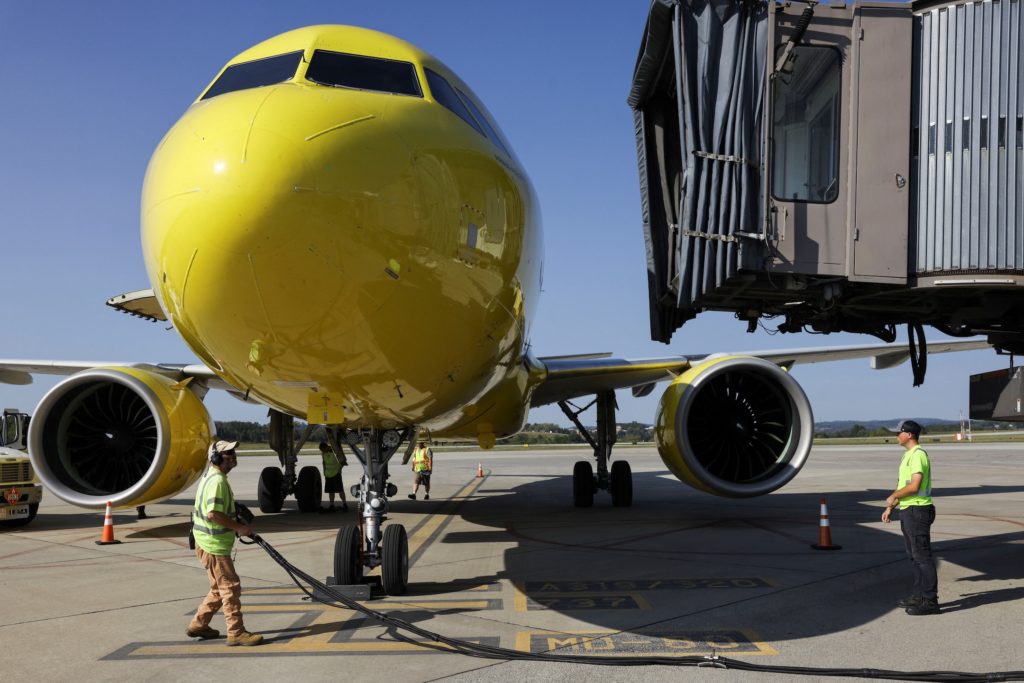
Photo: PBS
Summer travel demand remains strong, but Americans may be discovering that this year's vacations come with a significantly larger price tag. From airline tickets and gasoline to hotels and everyday travel expenses, rising costs are beginning to challenge how much consumers are willing to spend on their summer getaways.
Airfares have climbed to their highest levels in years, gasoline prices continue moving upward, and the collapse of one of America's largest budget airlines has removed a key source of low-cost travel options.
As millions of travelers head into peak vacation season, airlines, economists, and industry analysts are closely watching whether demand remains strong or whether consumers finally begin pulling back.
Airfare Reaches Highest Levels in Nearly Four Years
Travelers planning flights this summer are encountering significantly higher ticket prices compared with previous years.
Average domestic round-trip airfare reached approximately $623 in April, marking the highest level recorded in nearly four years.
The increase brings ticket prices close to levels seen during the intense post-pandemic travel boom, when consumers rushed back to airports after years of restrictions and airlines struggled with limited staff and aircraft shortages.
Several factors are contributing to higher fares:
• Rising fuel expenses
• Reduced flight availability
• Continued travel demand
• Labor costs
• Aircraft supply challenges
Airlines have repeatedly stated that higher operating costs are increasingly being passed along to customers.
While consumers remain willing to travel, price sensitivity could become more visible if costs continue climbing.
Fuel Prices Become a Major Challenge for Airlines
Fuel remains one of the largest expenses for airlines after labor costs.
This year, airlines have experienced particularly strong pressure as jet fuel prices climbed dramatically over a short period.
Jet fuel costs reportedly doubled within less than three months following geopolitical disruptions tied to Middle East tensions and concerns surrounding major energy shipping routes.
When fuel costs rise sharply, airlines generally have limited options:
• Increase ticket prices
• Reduce flight schedules
• Cut less profitable routes
• Absorb reduced margins
Many carriers have already started adjusting capacity plans and reducing growth targets.
Fewer available seats can create additional upward pressure on ticket prices because demand remains relatively stable.
Less capacity combined with strong travel demand often leads to higher average fares.
Spirit Airlines Collapse Removes a Major Low-Cost Option
The travel industry also faces another major development this year: the disappearance of a major budget airline.
Spirit Airlines, long known for offering ultra-low-cost fares in the United States, recently ceased operations after struggling through financial challenges and rising operating expenses.
The collapse marked one of the most significant airline failures in the U.S. in decades.
The company's difficulties were linked in part to rising jet fuel prices and increasing pressure on profitability.
For travelers, the consequences extend beyond the loss of a single airline.
Spirit often played a critical role in keeping prices lower across many routes.
Budget carriers frequently force larger competitors to maintain competitive pricing.
Without that pricing pressure, some routes could become more expensive.
Other airlines have moved quickly to absorb demand from former Spirit customers, but replacing a major low-cost competitor may not immediately restore pricing competition.
Road Trips Are Becoming More Expensive Too
For travelers hoping to avoid expensive flights and save money by driving instead, costs on the road are also rising.
Gasoline prices have moved above $4 per gallon in several areas and forecasts suggest average prices could approach $5 per gallon during portions of the summer under certain market conditions.
Travel industry estimates project approximately 39.1 million people will travel at least 50 miles by car during the Memorial Day period.
However, growth in road travel demand remains extremely modest.
Travel volume increased by only around 0.1% compared with last year, representing one of the slowest growth rates seen in roughly a decade.
The weak growth suggests consumers may be becoming more cautious as transportation costs increase.
Higher fuel prices affect more than road trips alone.
They also influence:
• Rental car prices
• Shipping expenses
• Hotel operating costs
• Food transportation costs
• Overall travel spending
Consumers Still Show Strong Interest in Travel
Despite higher prices, consumers have not abandoned vacation plans.
Travel surveys indicate that leisure travel intentions remain relatively strong.
Recent data showed travel interest remained above 82%, only slightly lower than levels recorded a year earlier and still near some of the strongest readings in nearly a decade.
Analysts believe several factors continue supporting demand:
• Strong desire for experiences
• Flexible work arrangements
• Delayed travel plans
• Major events and entertainment schedules
• International tourism growth
Travel has increasingly become a spending priority for many households even as prices rise elsewhere.
Consumers may reduce spending in other categories before canceling planned vacations.
Airlines Remain Optimistic About Summer Demand
Major airlines continue projecting strong passenger volumes throughout the summer travel period.
United Airlines expects approximately 53 million passengers between June and August, representing an increase of around 3 million travelers compared with last year.
American Airlines has projected roughly 75 million passengers between late May and early September, potentially exceeding its previous all-time record.
Airlines are also expecting demand from several major global events and entertainment activities.
Large sporting tournaments, international tourism growth, and high-profile concerts often generate significant travel demand and support airline bookings.
These events can boost passenger traffic in key cities and tourism markets.
Travelers Can Still Find Ways to Save
Although travel costs are increasing, flexibility may still help consumers reduce expenses.
Travel experts recommend several approaches:
• Fly on Tuesdays or Wednesdays when demand is lower
• Use flexible destination search tools
• Compare nearby airports
• Book during lower demand periods
• Use accumulated travel rewards or airline miles
Travel rewards programs can become particularly valuable during periods of rising prices.
Some experts warn against holding airline miles for too long because loyalty programs periodically adjust redemption values.
As travel prices rise, miles and reward points can sometimes lose purchasing power over time.
The Bigger Picture
This summer may become an important test of consumer spending behavior.
Inflation pressures, fuel costs, airline capacity changes, and the loss of major low-cost options are creating a more expensive travel environment.
So far, travelers continue showing a willingness to pay higher prices.
But the coming months may reveal an important question for the travel industry:
How much more are consumers willing to spend before vacation demand begins slowing down?
For now, the desire to travel remains strong. The challenge is whether household budgets can keep up with the rising cost of getting there.
.webp)
Popular articles



Subscribe to unlock premium content
Lunar Dreams Become Reality

Defying Gravity in Billionaire Gyms

Celebrity-Curated Smart Homes with AI Butlers Redefine Modern Luxury

Lunar Dreams Become Reality
Defying Gravity in Billionaire Gyms
Lunar Dreams Become Reality
.png)
.png)