RFK Jr. Signals Support for Curbing Junk Food Ads on Television

RFK Jr. Signals Support for Curbing Junk Food Ads on Television
By
Rachel Steinberg
Last updated:
April 23, 2026
First Published:
April 23, 2026


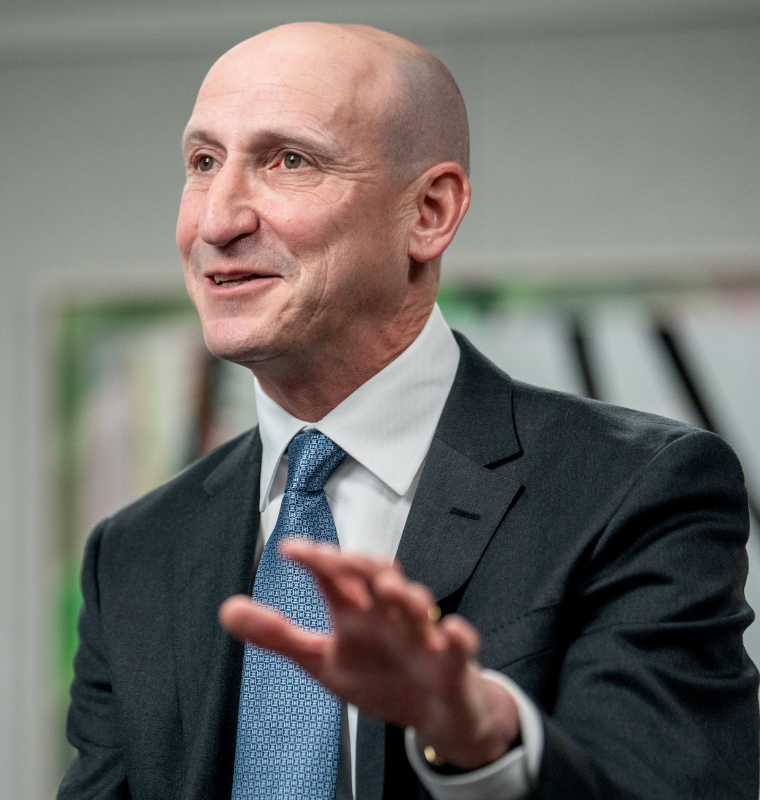
Photo: NBC News
A New Front in Public Health Policy
Robert F. Kennedy Jr. has indicated support for limiting junk food advertising on television in the United States, opening the door to a policy shift aimed at tackling rising obesity and diet-related health issues. The proposal, while still in its early stages, reflects growing concern among policymakers about the influence of marketing on consumer behavior, particularly among children and teenagers.
Television advertising remains a powerful channel, with billions of dollars spent annually by food and beverage companies to promote high-sugar, high-fat products.
Voluntary Action Over Regulation
While expressing openness to a potential ban, Kennedy suggested that any effort would ideally be voluntary rather than enforced through strict government mandates. This approach signals a preference for industry-led reform, where major food companies would agree to limit or modify their advertising practices without formal legislation.
Such a model could involve self-regulation frameworks, revised marketing standards, or commitments to reduce exposure of unhealthy food promotions during peak viewing hours for younger audiences.
Industry Faces Growing Pressure
Any move to restrict junk food advertising is expected to face strong resistance from large food manufacturers and advertising groups. These companies rely heavily on television and digital marketing to maintain brand visibility and drive sales in a highly competitive market.
The U.S. food and beverage industry generates hundreds of billions of dollars in annual revenue, and advertising plays a critical role in shaping consumer preferences. Limiting these channels could have significant implications for both revenue growth and brand strategy.
The Health Argument Behind the Proposal
Public health experts have long linked aggressive marketing of processed and high-calorie foods to rising obesity rates. In the United States, more than 40% of adults are classified as obese, with childhood obesity also reaching concerning levels.
Research suggests that repeated exposure to junk food advertising can influence dietary habits, particularly among younger audiences who are more susceptible to marketing messages. Policymakers increasingly view advertising restrictions as one tool among many to encourage healthier consumption patterns.
Global Context and Policy Trends
The idea of restricting unhealthy food advertising is not new. Several countries have already introduced regulations limiting such ads, especially during programming aimed at children. These policies often include restrictions on timing, content, and placement of advertisements.
In the U.S., however, efforts have historically leaned toward voluntary guidelines rather than strict regulatory bans, making Kennedy’s comments part of a broader ongoing debate about the balance between public health and corporate freedom.
What Comes Next
The path forward remains uncertain. A voluntary approach would require cooperation from major industry players, which may be difficult to achieve without regulatory pressure. At the same time, a mandatory ban could face legal challenges and political opposition.
For now, Kennedy’s stance signals a shift in tone and priorities within health policy discussions, placing greater emphasis on the role of marketing in shaping national health outcomes.
Bottom Line
Robert F. Kennedy Jr.’s support for limiting junk food advertising highlights a growing push to address the root causes of poor dietary habits in the U.S. While the proposal is likely to spark intense debate, it underscores a broader effort to align public health goals with industry practices in an increasingly health-conscious era.
.webp)
Popular articles



Subscribe to unlock premium content
The Financial Sweet Spot

Nostalgia Sells: How Food & Beverage Giants Cash In on Memories
Where Winter Becomes a $100 Million Playground

The Financial Sweet Spot
Nostalgia Sells: How Food & Beverage Giants Cash In on Memories
The Financial Sweet Spot