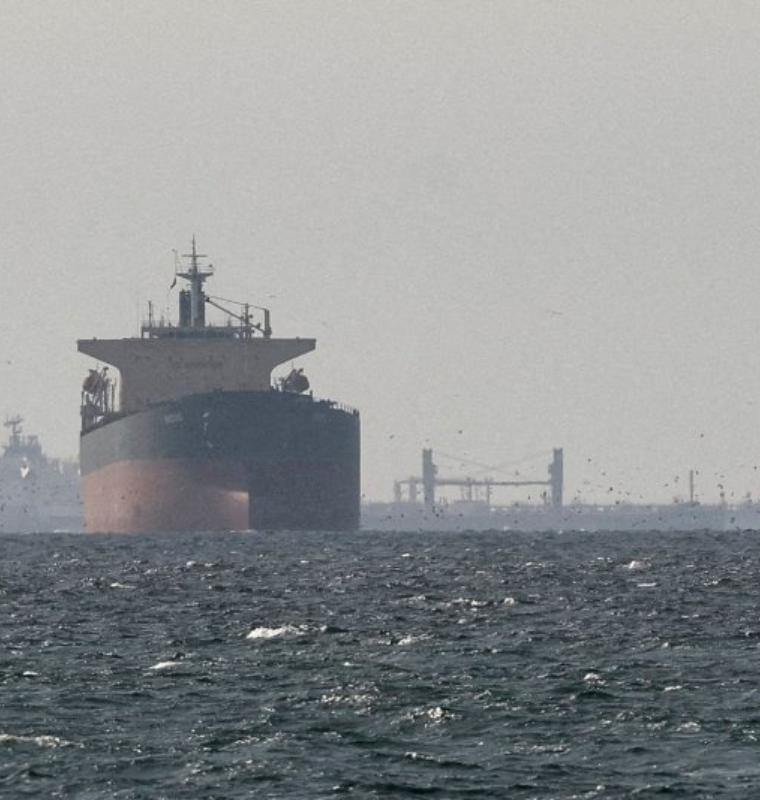
Report Claims Hegseth-Linked Broker Explored Defense ETF Investment Ahead of Iran Conflict

Report Claims Hegseth-Linked Broker Explored Defense ETF Investment Ahead of Iran Conflict
By
Rachel Steinberg
Last updated:
March 31, 2026
First Published:
March 31, 2026

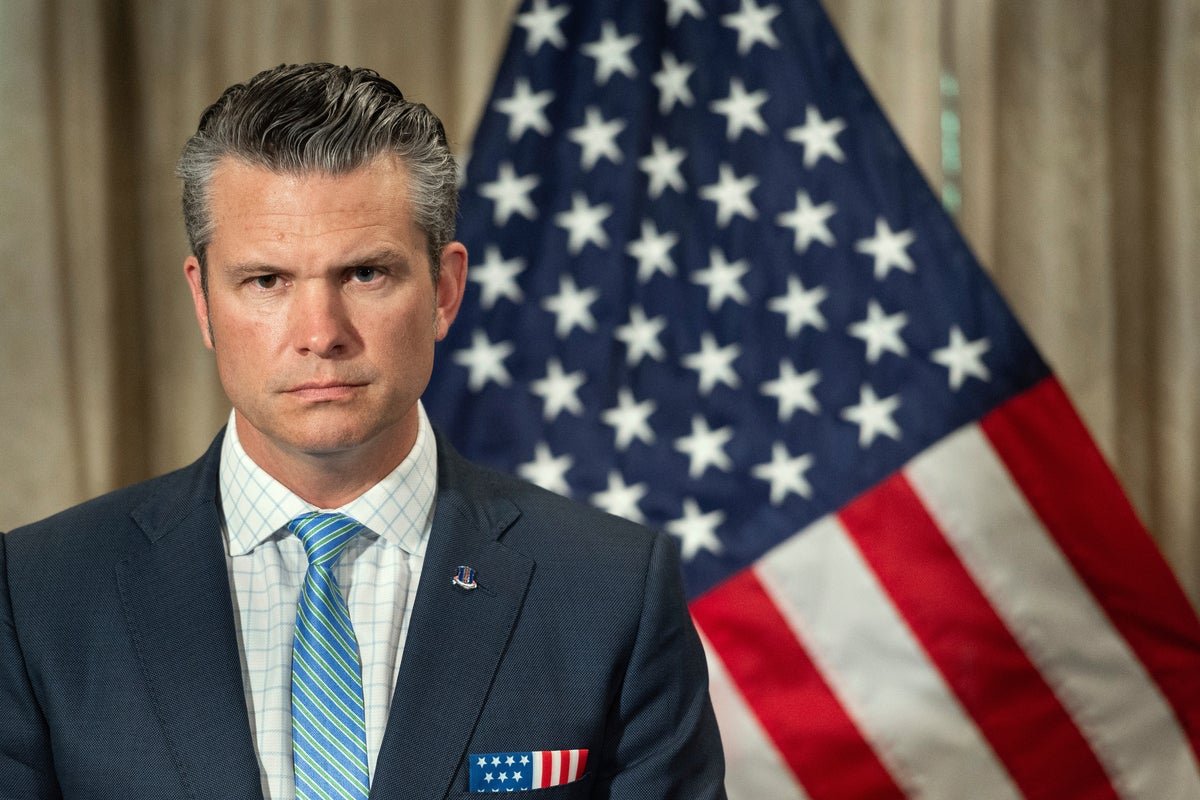
Photo: Twitter
Allegations Surface Around Pre-War Investment Activity
A fresh controversy has emerged involving Pete Hegseth, after reports suggested that a broker linked to him explored a sizable investment in defense-related assets shortly before the outbreak of the Iran war.
According to reports, the inquiry was made in February—weeks before hostilities escalated—raising questions about the timing and potential implications of such a move, particularly given the sensitivity of defense-sector investments during periods of geopolitical instability.
Multimillion-Dollar ETF Investment Considered
The reported investment involved a proposal from a broker at Morgan Stanley to allocate several million dollars into a defense-focused exchange-traded fund managed by BlackRock.
The fund in question, the iShares Defense Industrials Active ETF, currently manages approximately $3.1 billion in assets and is heavily weighted toward major U.S. defense contractors. Its top holdings include RTX Corporation (formerly Raytheon), Lockheed Martin, and Northrop Grumman—companies that typically see increased investor interest during periods of military escalation.
However, the proposed investment never materialized. At the time of the inquiry, the ETF was not yet available for purchase by Morgan Stanley clients, effectively halting the transaction before any capital was deployed.
Defense ETF Performance Reflects War Volatility
Market performance data shows that the defense-focused ETF has experienced notable volatility since the onset of the Iran conflict. Over the past month, the fund has declined by approximately 12.4%, reflecting broader uncertainty in financial markets despite heightened geopolitical tensions.
While defense stocks often benefit from increased military spending expectations, short-term fluctuations can occur due to macroeconomic pressures, shifting investor sentiment, and global risk-off behavior.
Pentagon Issues Strong Denial
The Pentagon has firmly rejected the allegations. Sean Parnell, the chief spokesperson, dismissed the claims as “entirely false and fabricated,” pushing back aggressively against the narrative.
Parnell stated that neither Hegseth nor any representatives acting on his behalf had approached BlackRock regarding any such investment. He characterized the report as misleading and called for its retraction, emphasizing that no improper financial activity had taken place.
Broader Context: War Escalation and Market Sensitivity
The controversy comes at a time when the U.S.-Iran conflict has entered its fifth week, with no clear signs of de-escalation. Military activity in the region continues to intensify, with additional U.S. forces deployed and preparations reportedly underway for extended operations.
Statements from Donald Trump have further amplified tensions, including warnings of potential strikes on Iran’s critical infrastructure if strategic conditions—such as the reopening of the Strait of Hormuz—are not met.
In this environment, defense-related investments are under heightened scrutiny, as markets react rapidly to geopolitical developments and any perceived insider positioning.
Transparency and Market Ethics in Focus
The situation underscores the growing sensitivity around financial activities linked to government officials, particularly those with direct influence over defense and national security decisions.
Even unexecuted investment discussions can attract attention in such contexts, highlighting the importance of transparency and clear separation between public office and private financial interests.
As global conflicts increasingly intersect with financial markets, scrutiny over investment timing, intent, and access to information is likely to intensify—especially in sectors as strategically critical as defense.
.webp)
Popular articles



Subscribe to unlock premium content
Zara’s Hyper-Fast Fashion Supply Chain Is Changing Global Retail
The Rise of Apple Stores as Experiential Brand Centers Worldwide

Boutique Eco-Lodges in Costa Rica Redefining Ultra-Luxury Travel

Zara’s Hyper-Fast Fashion Supply Chain Is Changing Global Retail
The Rise of Apple Stores as Experiential Brand Centers Worldwide
Zara’s Hyper-Fast Fashion Supply Chain Is Changing Global Retail