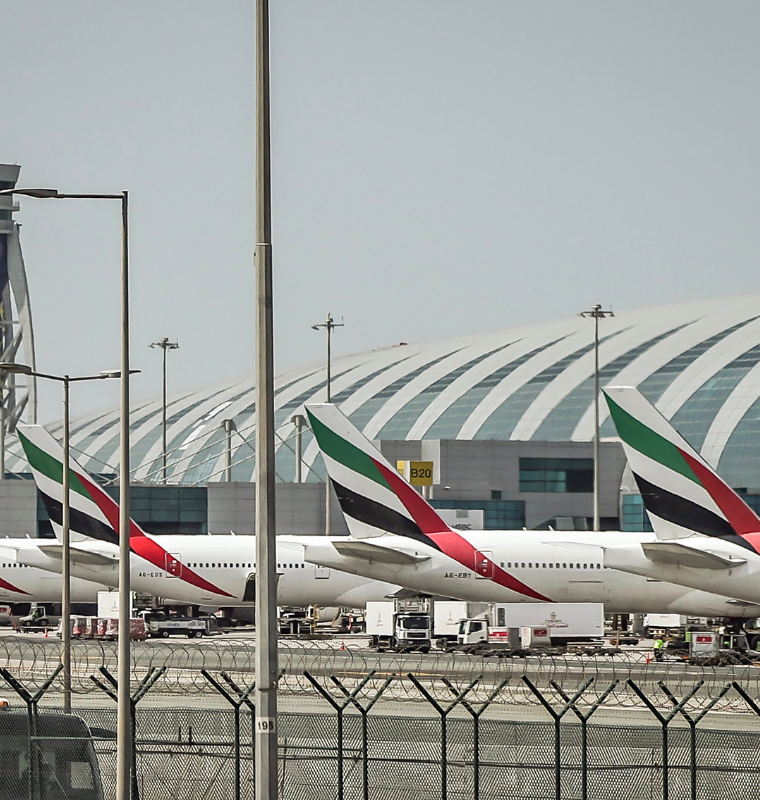
Private Jet Travel Gets Pricier as Fuel Surge Drives Costs Higher

Private Jet Travel Gets Pricier as Fuel Surge Drives Costs Higher
By
Rachel Steinberg
Last updated:
April 6, 2026
First Published:
April 6, 2026


The cost of flying private is climbing sharply, with surging jet fuel prices triggering significant fare increases across the luxury aviation market. As global fuel costs approach $4.65 per gallon on average, high-net-worth travelers are now paying noticeably more—even for flights they booked months in advance.
The spike is a direct consequence of ongoing geopolitical tensions disrupting energy markets, creating ripple effects that are now hitting one of the most premium segments of the travel industry.
Fuel Prices Reshape Private Aviation Economics
Private aviation has always been a high-cost segment, but the recent surge in fuel prices is pushing expenses to new highs. Charter data shows that prices have risen between 5 percent and 15 percent on average since the conflict began, with some long-haul and heavy jet flights seeing increases of up to 20 percent.
For example, a long-haul business jet trip from Dubai to London that cost around $400,000 in 2023 is now exceeding $500,000. The majority of that increase is attributed solely to higher fuel costs, highlighting how sensitive private aviation pricing is to energy markets.
Fuel now represents one of the largest variable costs in private aviation operations, often accounting for 30 percent to 40 percent of total flight expenses on long-haul routes.
How Operators and Brokers Are Handling the Surge
The way these rising costs are passed on to customers varies widely across the industry. Charter brokers act as intermediaries between clients and aircraft operators, and each party handles fuel price volatility differently.
Some operators are absorbing short-term losses to maintain client relationships, particularly for flights booked well in advance. Others are passing on surcharges directly to customers, even if contracts were signed months earlier.
In many cases, charter agreements include variable fuel clauses that allow operators to adjust pricing based on real-time fuel costs. This means passengers can face unexpected invoices or surcharges shortly before departure.
War risk premiums are also emerging in certain regions, particularly in the Gulf, where additional insurance costs can add $8,000 to $10,000 per flight.
Why Demand Remains Surprisingly Strong
Despite the price increases, demand for private jet travel remains resilient. Wealthy travelers are generally less sensitive to price fluctuations, especially when private aviation offers advantages such as flexibility, privacy, and time savings.
Industry data indicates that private jet flights are still growing, with activity up roughly 5 percent year over year in recent weeks. Fractional ownership programs and jet card memberships are also seeing increased utilization, with some operators reporting usage growth of 10 percent to 15%.
Another factor supporting demand is disruption in commercial aviation. Long security lines, staffing shortages, and operational delays at major airports have pushed more travelers toward private options, especially for time-sensitive trips.
Short-notice bookings—sometimes arranged within 10 hours of departure—have also increased, reflecting a growing reliance on private aviation during periods of travel uncertainty.
Shifting Behavior Among High-End Travelers
While demand remains strong, traveler behavior is beginning to shift at the margins. Some clients are opting for smaller or more fuel-efficient aircraft to manage costs.
For instance, passengers who previously preferred large-cabin jets like Gulfstreams are now considering midsize options such as Hawker or Challenger aircraft, which can reduce total trip costs by tens of thousands of dollars.
Others are working with brokers to optimize routes, including refueling in countries where jet fuel is cheaper—even if it slightly extends flight time.
These adjustments indicate that while ultra-wealthy travelers are not being priced out of the market, they are becoming more strategic in how they manage travel expenses.
The Hidden Complexity of Fuel Surcharges
Fuel surcharges in private aviation can vary dramatically depending on aircraft type, route, and contract structure. On shorter domestic routes, additional costs may be relatively modest—sometimes as low as $1,000 to $2,000.
However, on ultra-long-haul flights, the impact can be substantial. For example, a round-trip intercontinental journey on a large-cabin jet can incur an additional $15,000 to $25,000 in costs for every $1 increase in fuel price per gallon.
Fractional jet owners, who typically pay hourly rates adjusted monthly or weekly, are also exposed to these fluctuations. Even though their pricing structures are more predictable, sudden spikes in fuel costs can still lead to higher invoices.
Long-Term Impact on the Industry
While some analysts expect fuel prices to stabilize over time, the current surge is likely to have lasting effects on the private aviation sector. Operators that absorb short-term losses may eventually need to raise prices more aggressively to protect margins.
At the same time, the industry could see increased innovation in cost management, including more efficient aircraft, smarter routing strategies, and expanded use of fuel hedging.
There is also a growing emphasis on transparency, with clients increasingly demanding clarity حول how pricing is structured and what additional costs may arise.
What Travelers Should Expect Next
For now, the outlook suggests that elevated private jet costs are here to stay—at least in the near term. Brokers are advising clients to book early, lock in rates where possible, and carefully review contract terms المتعلقة fuel adjustments.
Even if geopolitical tensions ease, the lag effect in fuel markets means prices may remain elevated for months. That could keep pressure on charter rates well into the year.
Still, for many private jet users, the value proposition remains intact. The ability to bypass crowded airports, maintain flexible schedules, and travel in comfort continues to outweigh rising costs.
In the world of private aviation, convenience still commands a premium—and for now, that premium is getting even higher.
.webp)
Popular articles



Subscribe to unlock premium content
Inside Japan’s Luxury Ryokans That Blend Tradition with Modern Experiences

Exploring Patagonia Through Personalized Road Trips

Private Helicopter Ski Tours in the Alps Are Redefining Luxury Travel
Inside Japan’s Luxury Ryokans That Blend Tradition with Modern Experiences
Exploring Patagonia Through Personalized Road Trips
Inside Japan’s Luxury Ryokans That Blend Tradition with Modern Experiences