Private Credit Warning Signs Emerge After Blue Owl Tightens Fund Withdrawals

Private Credit Warning Signs Emerge After Blue Owl Tightens Fund Withdrawals
By
David Goldfarb
Last updated:
February 20, 2026
First Published:
April 25, 2026

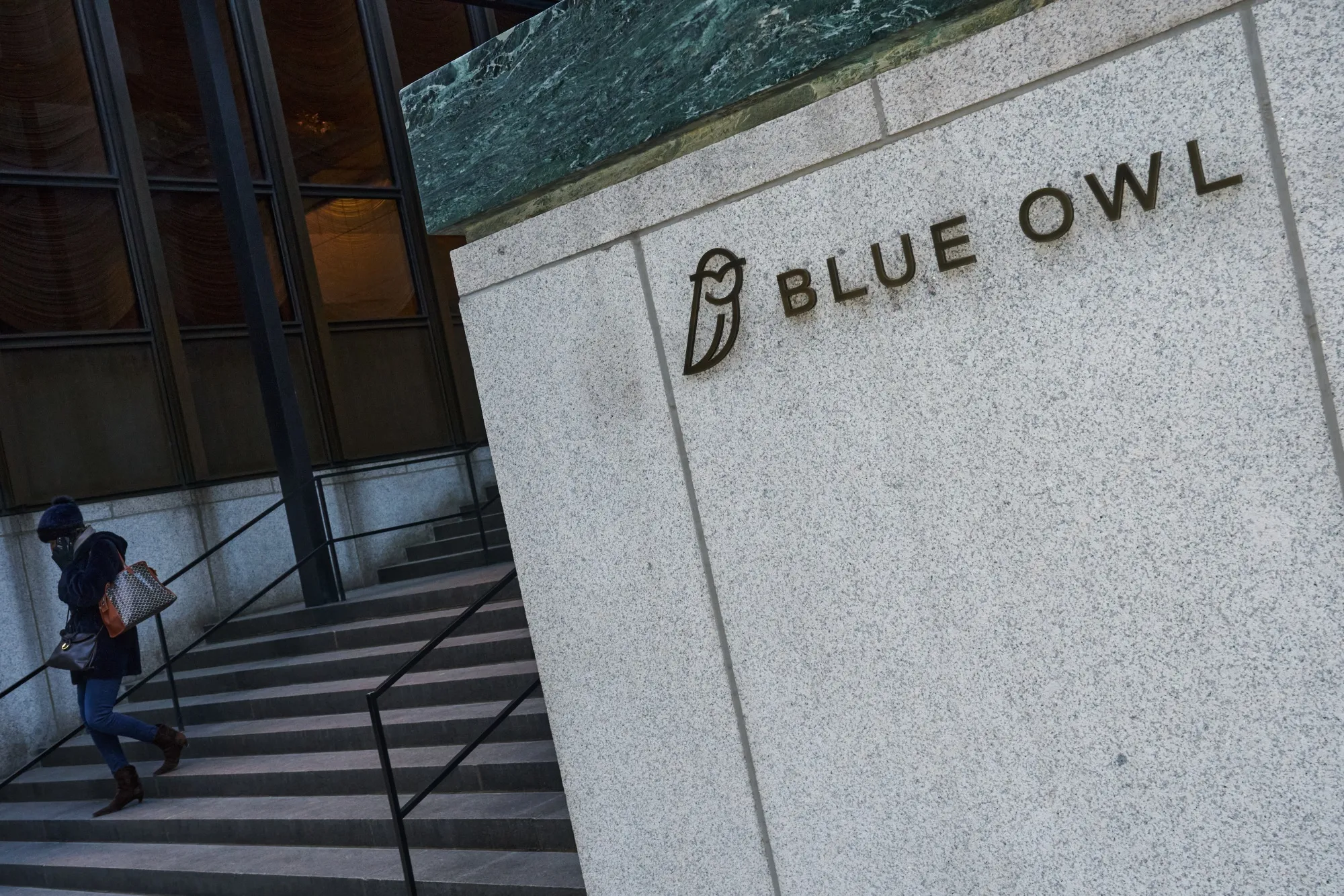
Photo: Bloomberg.com
A Sudden Shift in a Booming Market
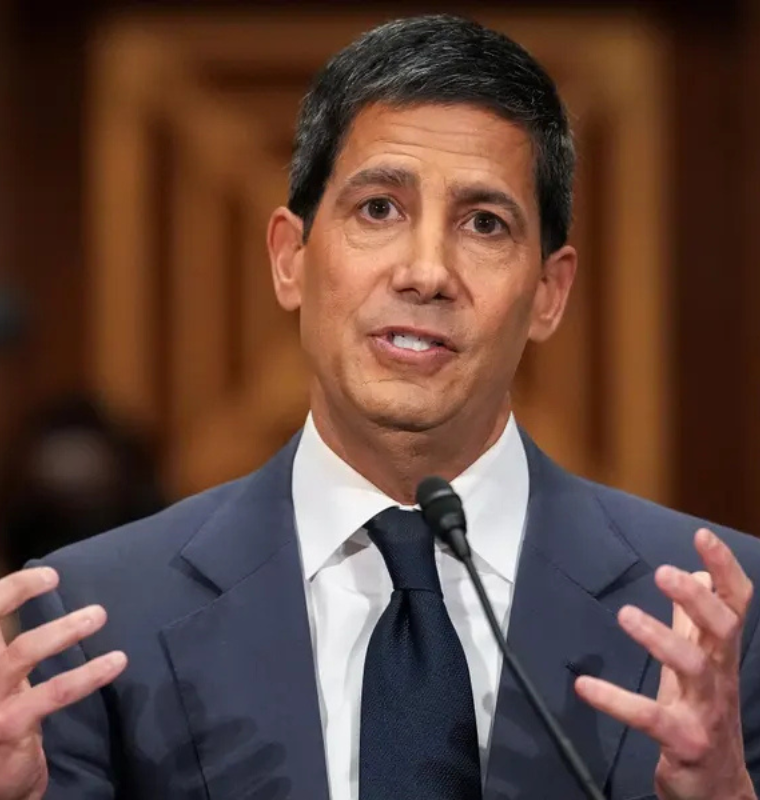
The fast-growing private credit industry is facing renewed scrutiny after Blue Owl Capital imposed permanent withdrawal limits on one of its retail-oriented debt funds, a move that investors and analysts say could signal deeper stress beneath the surface of the market.
The firm also sold roughly $1.4 billion in loan assets across three credit vehicles, a step that coincided with a drop of about 6% in its share price in a single trading session. While asset sales are not unusual, the combination of liquidity restrictions and portfolio repositioning has intensified concerns about how resilient private lending structures will be if economic conditions weaken.
What Changed Inside the Fund
The biggest portion of the asset sale came from a semi-liquid vehicle designed for individual investors, known as Blue Owl Capital Corporation II. The fund will no longer offer its periodic redemption window, meaning investors can no longer expect regular opportunities to withdraw capital.
Semi-liquid structures are built on the assumption that inflows and loan repayments will generally cover withdrawals. When redemption demand spikes, however, managers may be forced to gate withdrawals or sell assets, often at less favorable prices.
Industry observers say the decision highlights a structural mismatch between long-term private loans and shorter-term liquidity promises made to investors.
Why Some Investors Are Concerned
Market strategists warn that the move could be an early indicator of broader pressures after years of rapid expansion. The global private credit market has grown to roughly $3 trillion, fueled by low interest rates, strong investor demand for yield, and tighter bank lending standards following financial regulations.
High dividend yields have been a major draw. In 2025, several constituents of the S&P BDC Index offered payouts approaching the mid-teens, far above returns in many public fixed-income benchmarks. Blue Owl’s own yield exceeded 11%, underscoring the income appeal that attracted a growing base of retail investors.
However, analysts caution that higher yields often reflect higher credit risk, particularly because many borrowers are smaller or highly leveraged companies that may be more vulnerable during downturns.
Retail Investors Playing a Bigger Role
Research from academic and market sources indicates that ownership of business development companies — a key gateway into private credit — has gradually shifted toward individual investors. Institutional ownership has declined over the past decade, while retail participation has expanded, increasing the sector’s sensitivity to shifts in investor sentiment.
This dynamic can amplify liquidity pressure. Retail investors are generally more likely to redeem during periods of volatility, which can force funds to sell assets or restrict withdrawals to maintain stability.
Structural Risks Beneath the Surface
Private credit typically involves direct loans that are not actively traded, making valuations less transparent and exits more complex. When economic growth slows, defaults tend to rise, and funds may struggle to meet redemption demands without affecting portfolio values.
Industry executives note that the fundamental tension lies in pairing multi-year loan commitments with investor liquidity features that operate on quarterly or periodic cycles. When conditions deteriorate, redemption requests can increase rapidly, creating pressure across the ecosystem.
Recent Events Adding to the Jitters
Concerns have been building over the past year amid isolated borrower distress and shifting expectations for sectors heavily financed by private lenders, including enterprise software and industrial suppliers. High-profile restructurings have reinforced the idea that risks accumulated quietly during years of cheap capital.
Even senior banking leaders have weighed in. Jamie Dimon of JPMorgan Chase recently cautioned that vulnerabilities in private credit could become more visible if economic conditions deteriorate, echoing a growing sentiment that the sector has yet to face a full credit cycle test at its current scale.
What It Means for the Outlook
For now, Blue Owl’s actions do not necessarily indicate systemic distress, but they highlight how quickly sentiment can shift in a market built on confidence and steady cash flows. If borrowing costs remain elevated and defaults rise, more funds could face similar liquidity decisions.
At the same time, proponents argue that private credit still benefits from strong covenants, negotiated deal terms, and lower correlation with public markets, suggesting that the sector may experience a normalization rather than a collapse.
What is clear is that the episode has revived a key question for investors: whether the premium yields offered by private credit adequately compensate for the liquidity and transparency trade-offs embedded in the asset class.
.webp)
Popular articles



Subscribe to unlock premium content
Step Into the Future of Art

London’s Gourmet Playgrounds
The New Frontier of Children’s Entertainment

Step Into the Future of Art
London’s Gourmet Playgrounds
Step Into the Future of Art