Precious Metals Plunge Deepens as Gold Slides 6% and Silver Tumbles Another 12%

Precious Metals Plunge Deepens as Gold Slides 6% and Silver Tumbles Another 12%
By
Leah Rosenfeld
Last updated:
February 2, 2026
First Published:
April 25, 2026

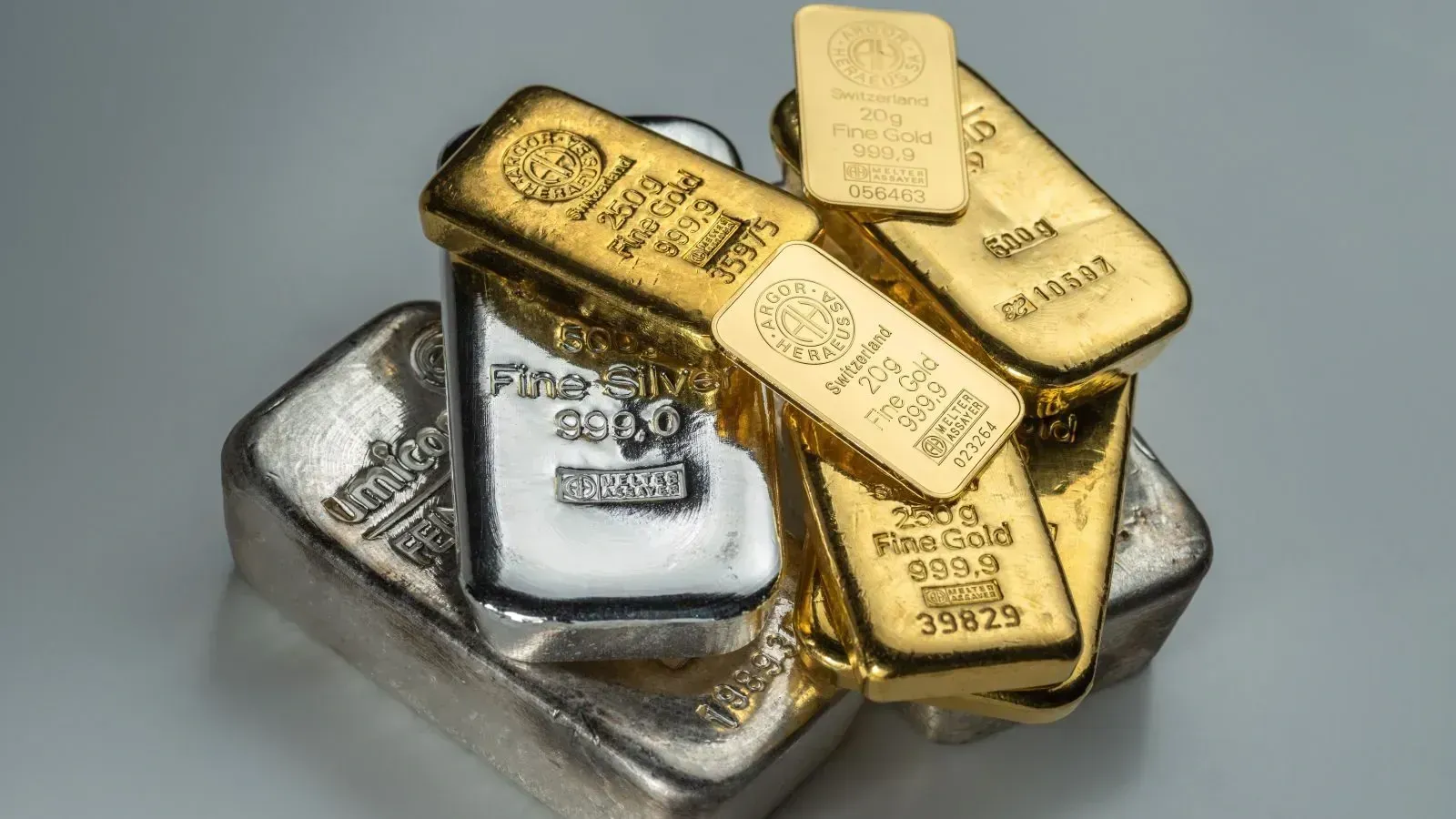
Photo: Upstox
The sell-off in precious metals intensified on Monday, with gold and silver extending last Friday’s historic losses as investors locked in profits and reassessed the outlook for U.S. monetary policy following a sharp shift in market expectations.
Spot gold dropped roughly 6% to around $4,538 per ounce, adding to Friday’s near-10% plunge that dragged prices below the psychologically important $5,000 level. Silver fared even worse, sliding more than 12% to approximately $74.36 per ounce after collapsing nearly 30% in the previous session, marking its steepest one-day decline since March 1980.
The renewed weakness comes just days after both metals touched record highs, capping off one of the strongest rallies in decades.
From Record Highs to Rapid Reversal
Gold and silver had surged aggressively in recent weeks on expectations of U.S. interest-rate cuts, heavy speculative inflows, and strong safe-haven demand tied to geopolitical uncertainty. At their peaks, gold traded near $5,600 per ounce while silver briefly approached $122, levels that reflected an increasingly crowded bullish trade.
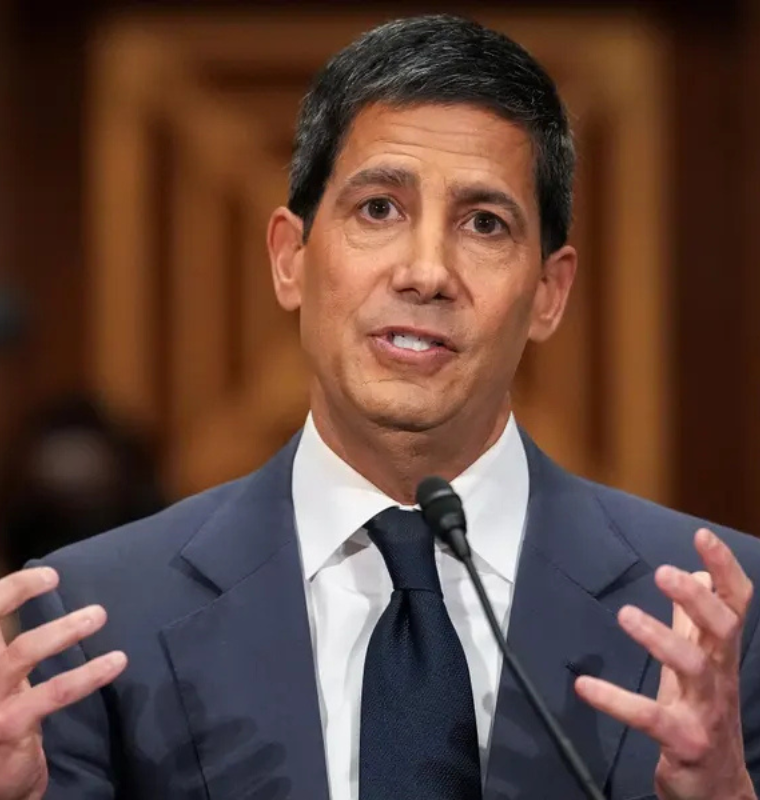
That momentum abruptly reversed on Friday after markets reacted to news that President Donald Trump nominated former Federal Reserve Governor Kevin Warsh to succeed Jerome Powell when his term ends in May. Warsh is widely viewed as favoring tighter monetary policy, prompting traders to scale back bets on aggressive rate cuts.
The shift sparked a rapid repricing across asset classes, sending the U.S. dollar higher and triggering widespread liquidation in precious metals.
José Torres, senior economist at Interactive Brokers, said the rally unraveled quickly as investors pivoted back toward dollar-based assets.
“The ‘Buy America’ trade is back,” Torres noted, adding that the independence-driven surge that propelled gold and silver to extreme highs has now begun to unwind.
Dollar Strength Adds Pressure
The U.S. dollar index, which tracks the greenback against a basket of major currencies, has risen about 0.8% since Thursday. A stronger dollar typically weighs on gold and silver by making them more expensive for international buyers.
At the same time, expectations of a firmer policy stance under Warsh have lifted Treasury yields, increasing the opportunity cost of holding non-yielding assets like bullion.
Christopher Forbes, head of Asia and the Middle East at CMC Markets, described the move as a classic correction following an extraordinary run.
“Gold’s retreat looks like a textbook air pocket after a massive rally,” Forbes said. “Profit-taking, a stronger dollar, and fresh headlines out of Washington have stripped the froth from an overcrowded trade.”
Adding to the pressure, easing geopolitical tensions also reduced demand for traditional safe havens. Trump’s comments over the weekend suggesting progress in talks with Iran helped calm fears of a Middle East supply shock, pushing WTI crude futures down roughly 4% on Monday and further dampening risk-hedging flows into precious metals.
Volatility Remains High Despite Strong Year-to-Date Gains
Despite the sharp pullback, both metals are still solidly higher for the year.
Silver remains up around 16% since the start of the year, while gold has gained roughly 8% year to date. In 2025, the two metals delivered spectacular returns, with gold surging about 65% and silver soaring nearly 145%, driven by central bank buying, retail investor demand, and aggressive positioning by hedge funds.
Analysts say those outsized gains left the market vulnerable to abrupt corrections once sentiment shifted.
Trading desks also point to elevated margin calls and forced liquidations amplifying the sell-off, particularly in silver, which tends to exhibit sharper moves due to its thinner liquidity and higher volatility compared with gold.
Outlook Hinges on Fed Direction
Looking ahead, market participants expect gold prices to remain elevated but highly volatile as investors await clearer signals on the Federal Reserve’s future policy path under its incoming leadership.
Forbes said that renewed dollar weakness or confirmation of a more dovish stance from Warsh could quickly bring dip-buyers back into the market. Over a 12-month horizon, he continues to see upside potential for bullion, especially if the Fed ultimately resumes easing while economic growth and inflation remain uneven.
“Longer term, the bullish case is still intact,” Forbes said. “If monetary conditions loosen and macro uncertainty persists, gold can revisit recent highs.”
For now, however, precious metals are navigating a period of intense turbulence, as traders digest shifting rate expectations, geopolitical developments, and the unwinding of one of the most crowded trades in global markets.
.webp)
Popular articles



Subscribe to unlock premium content
Step Into the Future of Art

London’s Gourmet Playgrounds

The New Frontier of Children’s Entertainment

Step Into the Future of Art
London’s Gourmet Playgrounds
Step Into the Future of Art