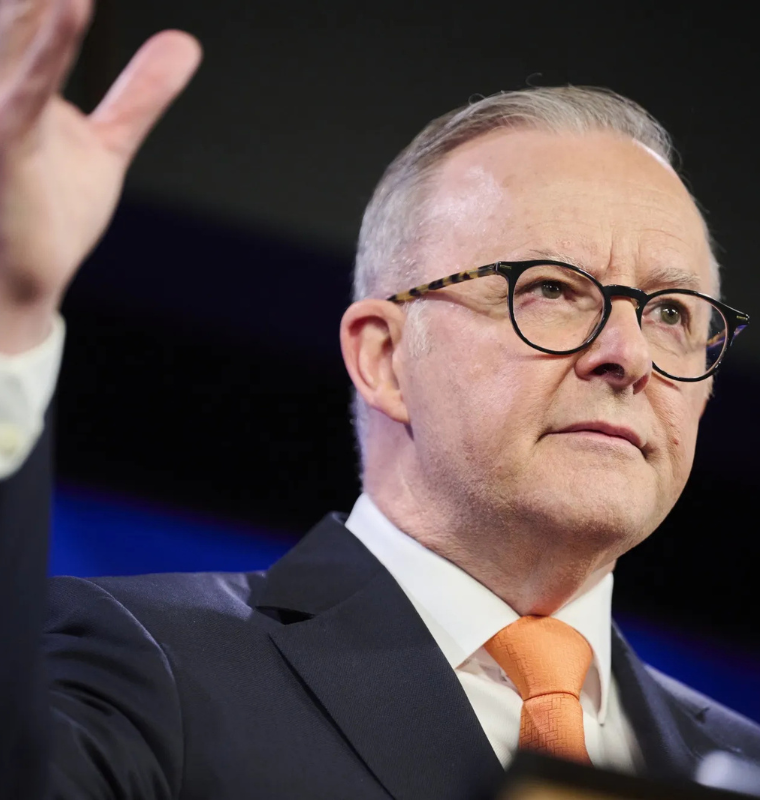
Powell Signals Higher Inflation Risks, Complicating Warsh’s Push for Rate Cuts

Powell Signals Higher Inflation Risks, Complicating Warsh’s Push for Rate Cuts
By
David Goldfarb
Last updated:
March 19, 2026
First Published:
March 19, 2026

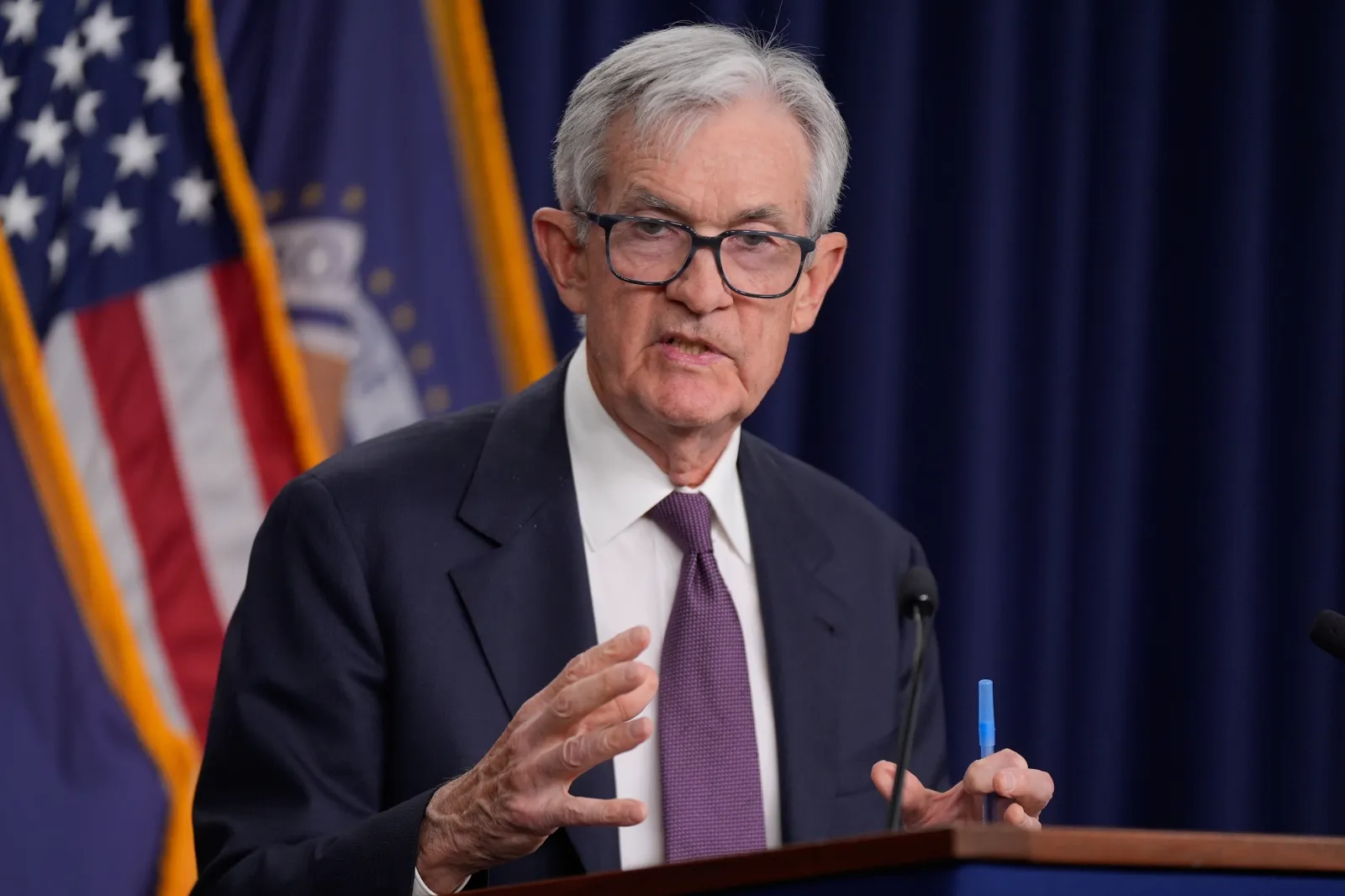
Photo: Newsweek
Fed Outlook Turns More Cautious
Federal Reserve Chair Jerome Powell has delivered a clear message to markets: interest rate cuts may not come as quickly as some expect. His latest remarks, combined with updated projections from policymakers, suggest a more cautious stance as inflation risks remain elevated.
This evolving outlook presents a significant challenge for Kevin Warsh, who is widely seen as favoring a faster path toward monetary easing. Even if confirmed to a leadership role, Warsh would face growing resistance within the central bank.
Inflation Forecasts Move Higher
The Fed’s latest Summary of Economic Projections shows a notable shift in expectations. Policymakers now see core inflation—measured by the Personal Consumption Expenditures index—reaching around 2.7% in 2026, up from a prior estimate of 2.5%.
While rising oil prices linked to geopolitical tensions have contributed to the revision, Powell emphasized that tariffs are playing an equally important role. According to him, slower progress on trade-related cost pressures has added to inflation persistence, complicating the path back to the Fed’s 2% target.
Interest Rate Path Becomes Less Dovish
Alongside higher inflation forecasts, expectations for interest rate cuts have also shifted. The Fed’s closely watched “dot plot” indicates that several policymakers are now less supportive of multiple rate cuts in the near term.
This marks a meaningful change in sentiment. Some officials who had previously leaned toward easing are now aligning with a more patient approach. Notably, Christopher Waller, who earlier supported rate reductions, has since backed the decision to hold rates steady.
The shift suggests that consensus within the Fed is moving toward maintaining restrictive policy for longer, especially as inflation risks remain uncertain.
Tariffs Add a New Layer of Complexity
Trade policy is emerging as a critical factor influencing monetary decisions. Powell highlighted that ongoing tariff-related pressures continue to feed into inflation expectations, even as legal challenges reshape parts of the policy landscape.
Efforts by the administration of Donald Trump to reintroduce tariffs through alternative mechanisms have kept uncertainty high. For the Fed, this creates an additional variable that could sustain price pressures across supply chains, particularly in manufacturing and consumer goods.
Warsh Faces an Uphill Battle
Even if confirmed, Warsh would not have unilateral control over policy decisions. The Federal Open Market Committee operates on a voting system, where the chair holds just one vote among twelve members.
This means any push for aggressive rate cuts would require broad support from other policymakers—support that currently appears limited. With several officials signaling caution, Warsh may struggle to build consensus for rapid easing, especially in the face of rising inflation expectations.
Political and Legal Uncertainty Delays Transition
The timeline for Warsh’s confirmation remains unclear, adding another layer of uncertainty. Political dynamics in Washington, including opposition from lawmakers such as Thom Tillis, have slowed the process.
Tillis has indicated that confirmation could be delayed pending the outcome of a legal investigation involving Powell. While Powell has denied any wrongdoing, the situation has introduced additional complexity into the leadership transition at the Fed.
Market Implications and What Comes Next
For investors, the Fed’s updated stance signals a shift away from expectations of quick monetary easing. Higher-for-longer interest rates could weigh on equities, borrowing costs, and overall economic growth in the near term.
At the same time, persistent inflation driven by both energy prices and trade policies suggests that the Fed will remain data-dependent. Any meaningful change in direction will likely require clear evidence that price pressures are sustainably easing.
For now, Powell’s message is clear: the path to lower rates is becoming more complicated, and any future policy shifts will be slower and more measured than markets—and policymakers like Warsh—may have hoped.
.webp)
Popular articles



Subscribe to unlock premium content
Sipping Sophistication in the Heart of New York

Clay Escapes for the Modern Elite

Tiny Masterpieces Big Experiences

Sipping Sophistication in the Heart of New York
Clay Escapes for the Modern Elite
Sipping Sophistication in the Heart of New York