Paul Weiss Leadership Shake-Up as Chairman Brad Karp Steps Down Following Epstein Email Fallout

Paul Weiss Leadership Shake-Up as Chairman Brad Karp Steps Down Following Epstein Email Fallout
By
Rachel Steinberg
Last updated:
February 5, 2026
First Published:
February 5, 2026

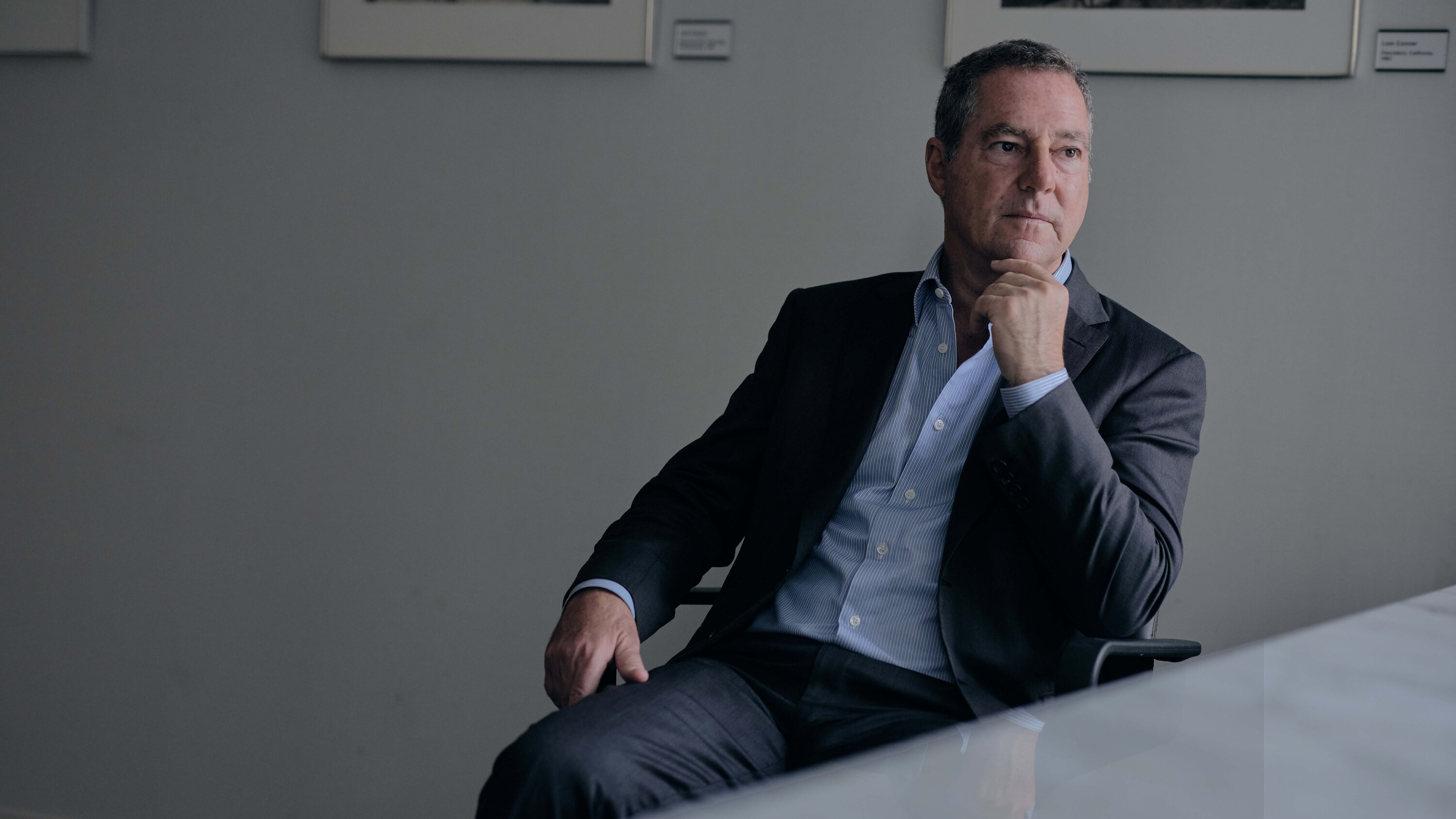
Photo: The New York Times
Brad Karp resigns as chairman after emails surface
Brad Karp has resigned as chairman of Paul Weiss, one of the world’s most prominent corporate law firms, following public disclosure of emails between him and convicted sex offender Jeffrey Epstein. The decision comes after renewed media attention sparked by a massive release of Epstein-related documents by the U.S. Department of Justice.
Karp announced his departure from the chairman role on Wednesday, saying the coverage had become a distraction for the firm.
“Leading Paul, Weiss for the past 18 years has been the honor of my professional life,” Karp said in a statement. “Recent reporting has created a distraction and has placed a focus on me that is not in the best interests of the firm.”
Although stepping down as chairman, Karp will remain at Paul Weiss and continue working with clients full time, according to the firm.
Scott Barshay appointed chairman effective immediately
Paul Weiss moved quickly to stabilize leadership, appointing Scott Barshay, previously chair of the firm’s corporate department, as the new chairman with immediate effect.
Barshay praised Karp’s impact on the firm, highlighting the scale of change achieved during his tenure.
“As Chairman, Brad made immense contributions and transformed Paul, Weiss in an unprecedented way to the great benefit of our clients,” Barshay said. “We are grateful for his extraordinary dedication and service over many years.”
Karp had led the firm since 2008 and spent more than 40 years at Paul Weiss, building a reputation as one of Wall Street’s most influential deal lawyers. Under his leadership, the firm expanded its global footprint, strengthened its M&A and private equity practices, and advised on hundreds of billions of dollars in transactions.
DOJ document release reignites scrutiny
The resignation follows the release of millions of Epstein-related records by the Department of Justice last week. Among those documents were emails showing limited contact between Karp and Epstein.
Paul Weiss said earlier this week that Karp attended two group dinners in New York City and had a small number of email exchanges with Epstein, interactions Karp now regrets.
Bloomberg reported that one email involved Karp asking Epstein for assistance in helping his son secure a role on a Woody Allen film.
In response, Paul Weiss clarified that the firm never represented Epstein.
Instead, the firm said it had been retained by Leon Black, then CEO of Apollo Global Management and a longtime client, to negotiate fee disputes with Epstein that extended over several years.
“The firm was adverse to Epstein, and at no point did Paul Weiss or Brad Karp ever represent him,” Paul Weiss said in a statement.
A complex legacy at one of Wall Street’s elite firms
Karp’s departure as chairman marks a significant moment for Paul Weiss, which employs more than 1,000 lawyers worldwide and is consistently ranked among the top firms for mergers and acquisitions, private equity, and high-stakes litigation.
His leadership era was defined by aggressive growth, major client wins, and a sharpened focus on corporate advisory work. At the same time, his tenure also included controversial moments.
Most recently, Karp drew attention last March after approving an agreement committing roughly $40 million in pro bono legal services to causes supported by President Donald Trump. Shortly afterward, Trump rescinded a previously issued executive order that had targeted the firm, a sequence of events that sparked debate within legal and political circles.
Despite these controversies, industry observers credit Karp with reshaping Paul Weiss into a more commercially dominant firm, particularly in complex transactions and high-profile restructuring mandates.
Firm looks ahead under new leadership
With Barshay now at the helm, Paul Weiss is signaling continuity in strategy while aiming to move past the current controversy. Barshay is widely regarded as a seasoned dealmaker with deep relationships across private equity and corporate America, and his appointment suggests the firm intends to maintain its strong focus on transactional work.
Internally, partners have emphasized that Karp’s resignation from the chairman role is meant to protect the firm’s reputation and keep attention on client service rather than leadership distractions.
For Paul Weiss, the episode highlights how reputational risk can rapidly reshape leadership at even the most established institutions. As Barshay steps into the role, the firm faces the task of reinforcing client confidence while navigating heightened scrutiny tied to one of the most sensitive document releases in recent legal history.
While Karp remains at the firm, his exit from the top post closes a nearly two-decade chapter and opens a new phase for Paul Weiss as it works to steady itself and move forward under fresh leadership.

Popular articles


Subscribe to unlock premium content
Defying Gravity in the Ultimate Wellness Revolution

Memory Museums for the Elite

Eternal Prestige Redefined

Defying Gravity in the Ultimate Wellness Revolution
Memory Museums for the Elite
Defying Gravity in the Ultimate Wellness Revolution