Oracle Expands Long Term Lease Obligations as AI Infrastructure Demand Accelerates

Oracle Expands Long Term Lease Obligations as AI Infrastructure Demand Accelerates
By
Leah Rosenfeld
Last updated:
December 12, 2025
First Published:
December 12, 2025

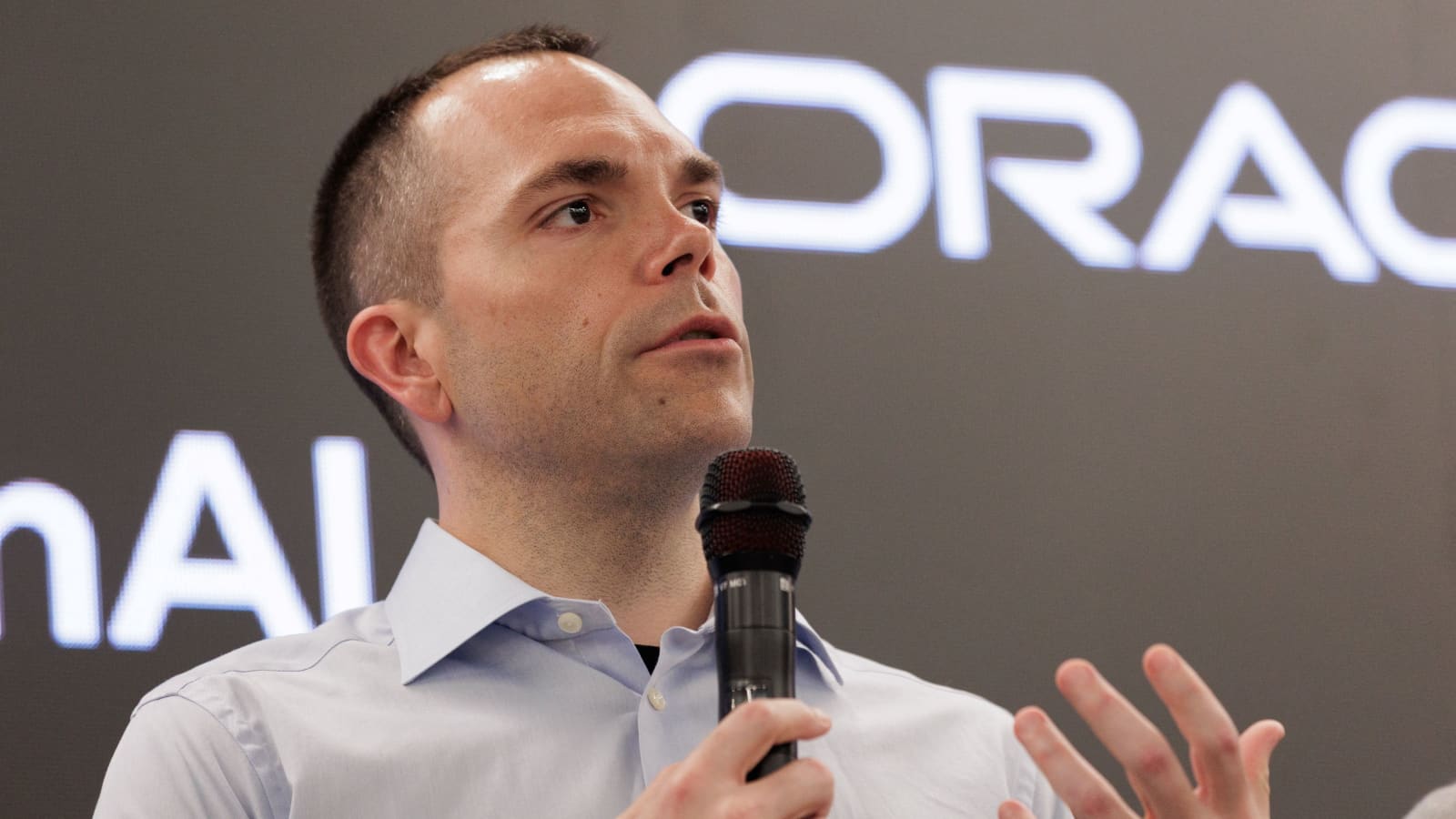
Oracle’s Expanding AI Infrastructure Strategy
Oracle is undertaking one of the largest infrastructure expansions in its history as it positions itself to meet surging demand for high performance cloud capacity from major artificial intelligence clients. The company disclosed that its total lease commitments reached approximately 248 billion dollars as of November, representing a near 150 percent increase in only three months. Roughly 10 billion dollars of this commitment is tied specifically to cloud capacity agreements that will support next generation compute workloads.
Parallel to its leasing expansion, Oracle informed investors that capital expenditures for the current fiscal year will rise to 50 billion dollars, up from the earlier projected 35 billion dollars. Executives attributed the increase to newly signed, multiyear infrastructure contracts with major technology companies including Meta and Nvidia. These companies require significant GPU-based computing resources as the AI market accelerates at an unprecedented pace.
Leasing Strategy and Multi Year Infrastructure Build Out
The company is entering lease agreements ranging from 15 to 19 years to secure data center space, cloud infrastructure, and power capacity. This long horizon reflects the foundational role that GPU-dense facilities now play in training and serving large scale AI models. Oracle’s leasing footprint grew more rapidly than any other metric this quarter as the company executed agreements to support cloud regions under development across North America, Europe, and Asia.
Oracle’s cloud division competes head to head with Amazon Web Services, Google Cloud, and Microsoft Azure. What differentiates Oracle, according to management, is its rapidly growing roster of AI focused clients. OpenAI has already committed to spending more than 300 billion dollars with Oracle over multiple years, marking one of the largest cloud commitments ever disclosed by a private company. This partnership has accelerated Oracle’s need to expand capacity beyond the pace of its traditional enterprise workloads.
The company has also partnered with Crusoe to support the initial deployment phase of OpenAI’s Stargate supercomputing site in Abilene, Texas. Stargate is expected to be one of the world’s most powerful AI-oriented data center complexes once fully operational.
Funding Infrastructure Growth and Managing Debt
Oracle’s rapid expansion raises questions regarding financing strategy. In September, the company issued 18 billion dollars in new debt, and by the end of November, total obligations including operating lease liabilities rose to more than 124 billion dollars. This represents a significant increase from approximately 89 billion dollars one year earlier.
Company executives emphasized that Oracle has access to diverse financial channels including public bond markets, bank financing, and private debt sources. They also noted that some cloud customers may bring their own GPU clusters and specialized chips, which could offset Oracle’s capital burden in certain deployments.
Despite the strong demand for AI-focused infrastructure, Oracle’s latest earnings report showed revenue below market expectations. This contributed to an almost 11 percent drop in the stock price as investors weighed the long term potential of AI expansion against near term margin pressures and higher leverage.
Outlook for Oracle’s AI Driven Cloud Expansion
Oracle’s transformation into a major AI infrastructure provider is advancing at a rapid pace. The combination of long term leases, aggressive capital spending, and high value client commitments positions the company for substantial revenue growth in future fiscal years. However, execution risks remain, particularly around financing costs, delivery timelines for new data center regions, and competitive dynamics with the largest hyperscalers.
Even so, Oracle’s willingness to undertake large scale, multi decade commitments underscores the fundamental shift occurring in the cloud industry as artificial intelligence becomes the central driver of infrastructure demand.

Popular articles


Subscribe to unlock premium content
The Rise of Ultra-Luxury Wilderness Retreats in Siberia for High-Net-Worth Investors

Remote Himalayan Villages Transforming Ancient Traditions into Lucrative Wellness Ventures

The New Frontier of Investment in African Artisan Mining Communities

The Rise of Ultra-Luxury Wilderness Retreats in Siberia for High-Net-Worth Investors
Remote Himalayan Villages Transforming Ancient Traditions into Lucrative Wellness Ventures
The Rise of Ultra-Luxury Wilderness Retreats in Siberia for High-Net-Worth Investors