OPEC+ Holds the Line on Oil Production as Geopolitical Strains Intensify

OPEC+ Holds the Line on Oil Production as Geopolitical Strains Intensify
By
Junia Wells
Last updated:
January 5, 2026
First Published:
January 5, 2026

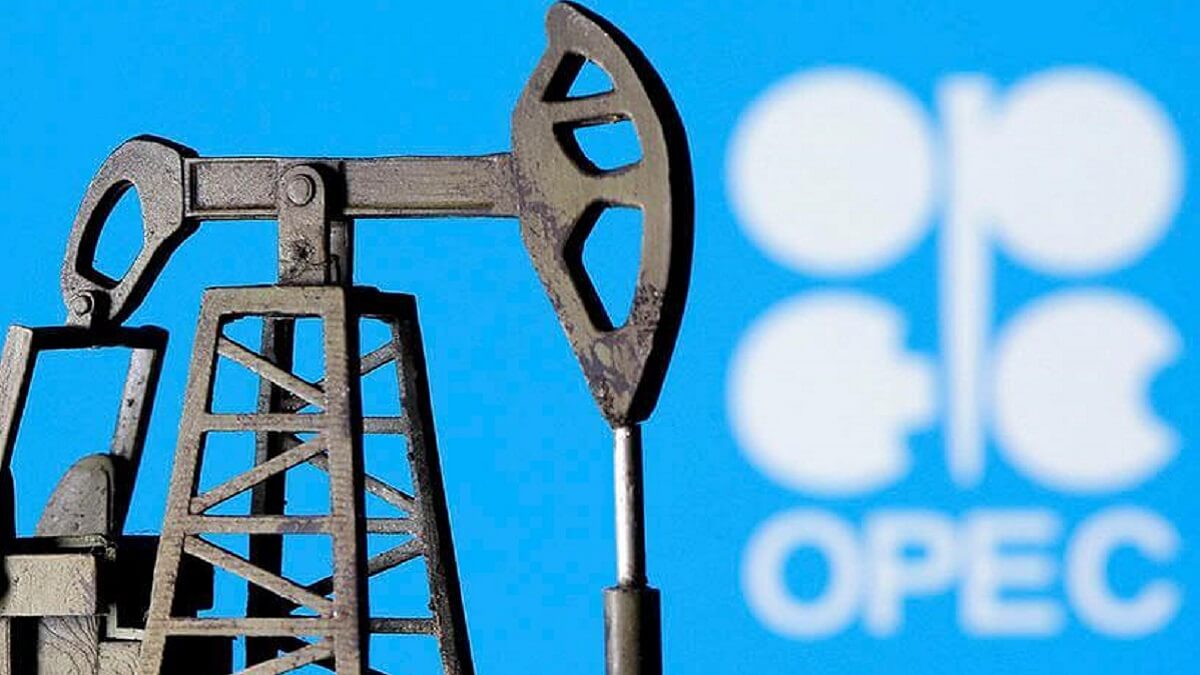
Photo: Atalayar
A Cautious Decision in a Volatile Market
OPEC+ agreed on Sunday to keep oil production levels unchanged following a brief and tightly focused meeting, signaling a preference for market stability at a time of growing political and economic uncertainty among several of its members. The decision came despite mounting geopolitical turmoil and a steep decline in global oil prices over the past year.
The meeting involved eight core OPEC+ producers that collectively account for roughly half of global oil supply, underscoring the group’s continued influence over energy markets even as internal strains deepen.
Oil Prices Under Pressure
Crude prices have fallen more than 18 percent so far in 2025, marking the sharpest annual decline since 2020. The drop has been driven largely by oversupply concerns, slowing demand growth, and persistent macroeconomic headwinds, particularly in major consuming regions.
Market participants had been watching the meeting closely for any signal that OPEC+ might adjust output to support prices. Instead, the group chose to stay the course, reinforcing its message of predictability to traders and investors.
Rising Tensions Within the Producer Group
The decision to avoid any policy changes comes against the backdrop of escalating political tensions among key members. Relations between Saudi Arabia and the United Arab Emirates have deteriorated in recent weeks following renewed conflict linked to Yemen, where a UAE-aligned faction seized territory from a Saudi-backed government. The episode has exposed the deepest rift between the two Gulf allies in decades.
At the same time, broader geopolitical shocks have added to the uncertainty. Over the weekend, the United States captured Venezuelan President Nicolás Maduro, with President Donald Trump stating that Washington would assume control of the country until a political transition is achieved. The developments have raised fresh questions about future oil supply from Venezuela and the wider region.
Stability Takes Priority Over Politics
Energy analysts say OPEC+ is deliberately avoiding entanglement in political disputes, focusing instead on maintaining a steady hand in the market.
According to industry observers, oil prices are currently being influenced less by traditional supply-and-demand fundamentals and more by geopolitical risk and policy uncertainty. Against that backdrop, OPEC+ appears determined to preserve cohesion and avoid decisions that could exacerbate internal divisions.
Output Strategy Remains Unchanged
The eight participating countries — Saudi Arabia, Russia, the UAE, Kazakhstan, Kuwait, Iraq, Algeria and Oman — previously agreed to raise production targets by around 2.9 million barrels per day in 2025. That increase represents nearly 3 percent of global oil demand and was aimed at reclaiming market share after years of supply restraint.
However, in November the group decided to pause further output increases for January through March, citing weaker seasonal demand during the northern hemisphere winter. Sunday’s online meeting reaffirmed that pause, with delegates confirming that no additional topics, including Venezuela, were formally discussed.
The next meeting of the eight-member group is scheduled for February 1.
Managing Crises While Guarding the Market
Historically, OPEC has managed to navigate severe internal and external crises by separating politics from market management. Past examples include periods of conflict involving major producers, where output coordination was maintained despite deep disagreements.
Today, the challenges are multifaceted. Russian oil exports are under pressure from U.S. sanctions linked to the war in Ukraine, while Iran continues to face domestic unrest and renewed threats of Western intervention. Each of these factors adds complexity to OPEC+ decision-making.
Venezuela’s Limited Near-Term Impact
Venezuela, despite holding the world’s largest proven oil reserves — exceeding even those of Saudi Arabia — is unlikely to significantly influence global supply in the near future. Years of underinvestment, operational decay, and sanctions have pushed production far below historical levels.
Analysts widely agree that even if U.S. oil companies were to invest billions of dollars, as suggested by President Trump, meaningful increases in Venezuelan output would take years to materialize.
What Comes Next for Oil Markets
By keeping production steady, OPEC+ has chosen caution over confrontation, signaling that it will not rush to respond to every geopolitical shock. For now, the group appears focused on preserving unity and maintaining credibility with markets as global oil dynamics remain shaped by politics as much as economics.
.webp)
Popular articles



Subscribe to unlock premium content
Iceland’s Geothermal Revolution
Bali’s Digital Detox Revolution

Step Into the Future of Art

Iceland’s Geothermal Revolution
Bali’s Digital Detox Revolution
Iceland’s Geothermal Revolution