
Oil Slides Sharply as Diplomatic Signals on Iran Ease Supply Fears

Oil Slides Sharply as Diplomatic Signals on Iran Ease Supply Fears
By
Leah Rosenfeld
Last updated:
March 25, 2026
First Published:
April 25, 2026

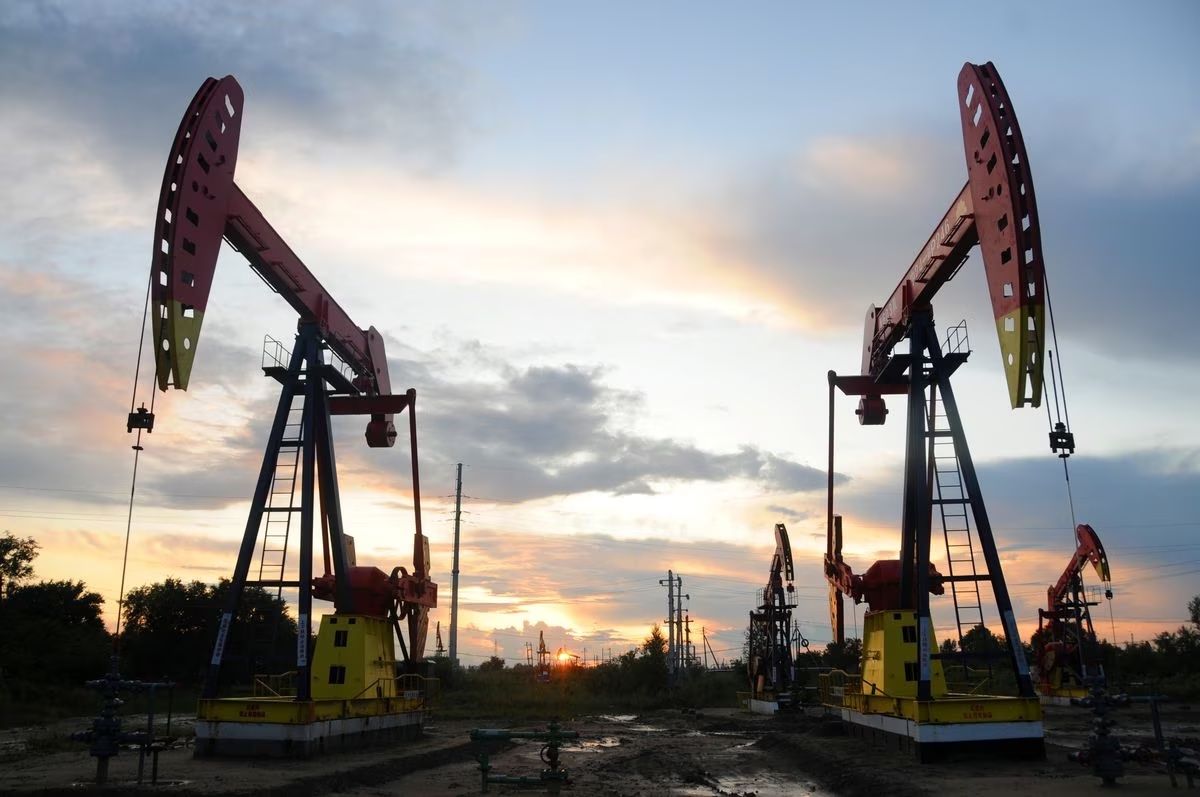
Global oil markets pulled back significantly on Wednesday, with prices dropping more than 4% after fresh diplomatic signals from Donald Trump suggested potential progress in U.S.-Iran relations. The move offered temporary relief to traders concerned about prolonged supply disruptions, although mixed messaging from Tehran continues to cloud the outlook.
International benchmark Brent Crude fell around 4.5%, settling near $98.71 per barrel, while West Texas Intermediate declined roughly 3.7% to trade at approximately $88.89 per barrel. The sharp decline reflects how sensitive energy markets remain to geopolitical developments, particularly those involving major oil-producing regions.
The downturn was triggered after Trump stated that Washington is actively engaged in negotiations with Iran and hinted at a possible de-escalation of tensions. Speaking from the Oval Office, he indicated that the U.S. had reconsidered earlier threats to target Iranian energy infrastructure, citing ongoing diplomatic efforts.
According to Trump, discussions with Tehran have been constructive, suggesting that a pathway toward a broader agreement may be emerging. However, Iranian officials quickly pushed back, denying that any direct negotiations are taking place. This contradiction has left markets grappling with uncertainty, as traders attempt to interpret whether meaningful progress is being made behind the scenes.
Further complicating the situation, reports indicate that the U.S. has put forward a detailed multi-point proposal aimed at ending the ongoing conflict in the region. The plan, reportedly delivered through intermediaries, outlines potential steps toward de-escalation, though its acceptance and implementation remain unclear. Questions also persist over whether key regional stakeholders would support such an agreement.
Despite the short-term price drop, underlying risks in the oil market remain elevated. Analysts at Goldman Sachs emphasize that crude prices are currently being driven less by traditional supply-demand fundamentals and more by geopolitical risk premiums. In this environment, even minor developments in diplomacy or military activity can trigger outsized market reactions.
The bank highlighted that current disruptions represent one of the most significant supply shocks in decades when measured as a share of global output. With inventories already tight and supply chains under strain, the market remains highly vulnerable to further instability.
A key focal point for traders is the Strait of Hormuz, a critical chokepoint through which a substantial portion of the world’s oil supply flows. Any disruption in this corridor can have immediate and far-reaching effects on global energy prices. Goldman Sachs’ base-case scenario assumes that flows through the strait will gradually normalize over a four-week period, potentially easing pressure on supply.
However, regional tensions continue to pose a significant threat. Military officials in Iran have warned that oil market stability will depend on broader geopolitical control and security in the region, signaling that volatility may persist in the near term.
For investors and policymakers alike, the current environment underscores the fragile balance between diplomacy and disruption in global energy markets. While the prospect of negotiations has temporarily eased fears, the lack of clarity and ongoing geopolitical risks suggest that oil prices could remain highly volatile in the weeks ahead.
.webp)
Popular articles



Subscribe to unlock premium content
AI-Curated Luxury Shopping Experiences Transform the Market

Limited-Run Anime Originals Redefining Global Entertainment

Micro-Vertical Farming Becomes Corporate Gold
.png)
AI-Curated Luxury Shopping Experiences Transform the Market
Limited-Run Anime Originals Redefining Global Entertainment
AI-Curated Luxury Shopping Experiences Transform the Market


