Oil Shock From Escalating Middle East Conflict Forces Central Banks Into Tough New Choices

Oil Shock From Escalating Middle East Conflict Forces Central Banks Into Tough New Choices
By
Alina Sinclair
Last updated:
March 4, 2026
First Published:
April 25, 2026

.webp)
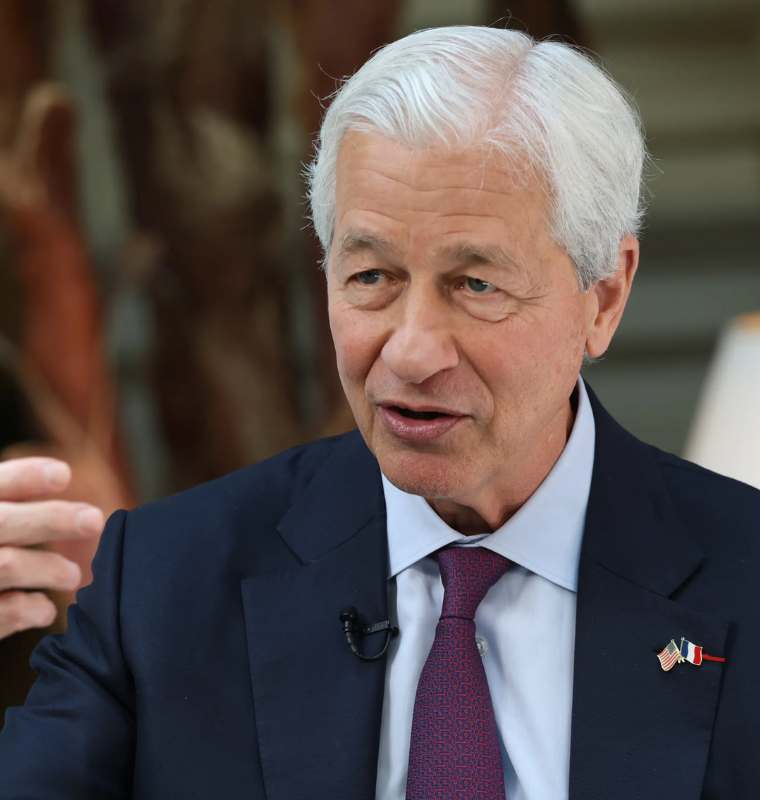
Photo: Bloomberg.com
A rapidly intensifying conflict in the Middle East is once again shaking global energy markets and putting central banks under renewed pressure. With crude oil prices climbing sharply and tanker traffic through critical shipping routes disrupted, policymakers are being forced to reconsider their interest rate strategies at a time when inflation had only recently begun to ease.
The latest escalation involving the United States, Israel and Iran has sent shockwaves through financial markets. Airstrikes over the weekend and retaliatory missile attacks across parts of the Gulf have significantly heightened geopolitical risk. The immediate market response was swift: crude prices jumped, investors sought safe-haven assets, and concerns about supply disruptions resurfaced.
At the center of the anxiety is the Strait of Hormuz, the narrow maritime corridor through which roughly one fifth of the world’s oil supply passes each day. With tanker movements slowing dramatically amid security fears, energy traders are pricing in the possibility of prolonged disruption. Even a temporary halt in flows through this chokepoint can have outsized effects on global supply chains and inflation expectations.
Brent crude has climbed for several consecutive sessions, trading near $83 per barrel, while West Texas Intermediate crude has surged above $75. Year to date, Brent prices are up more than 35 percent, and WTI futures have gained over 30 percent. Analysts warn that a sustained disruption could easily push Brent toward or beyond $100 per barrel. European natural gas prices are also vulnerable, with forecasts suggesting a possible spike above 60 euros per megawatt hour in a worst-case scenario.
Energy costs feed directly into consumer and producer prices. Higher oil prices increase transportation and logistics expenses, which ripple across food, manufacturing and services sectors. For import-dependent economies, particularly in Europe and Asia, the inflationary impulse could be meaningful. This creates a policy dilemma: tighten rates to contain inflation and risk slowing growth further, or hold steady and risk price pressures becoming entrenched.
In Europe, the European Central Bank faces mounting complexity. The eurozone already grapples with modest growth, fragile industrial output and trade headwinds from elevated U.S. tariffs. Europe imports nearly all of its crude oil and a significant portion of its liquefied natural gas, making it highly sensitive to energy price volatility. While inflation has moderated from its 2022 peaks, it remains sticky in core categories. ECB officials have signaled that they will avoid overreacting to short-term energy swings, but a prolonged surge would force fresh modeling and reassessment.
In the United States, inflation was running at 2.4 percent in January, still above the Federal Reserve’s 2 percent target. Additional upward pressure from energy and tariffs could push headline inflation closer to or above 3 percent in coming months. The conflict has complicated expectations for rate cuts, with policymakers now likely to remain cautious. Former Treasury Secretary Janet Yellen has warned that geopolitical shocks combined with tariff policies could restrain growth while simultaneously lifting prices, a classic stagflation risk scenario.
Asia appears especially exposed. According to the U.S. Energy Information Administration, the majority of crude oil flowing through the Strait of Hormuz is destined for China, India, Japan and South Korea. A hypothetical six-week closure of the waterway, combined with an oil price increase from $70 to $85 per barrel, could add roughly 0.7 percentage points to regional inflation, based on private sector estimates.
Countries such as the Philippines and Thailand are considered among the most vulnerable due to their higher energy import dependency and the weighting of fuel in consumer price indices. China’s inflation impact may be more modest given slower domestic demand, but policymakers would still face difficult trade-offs. Research from Fitch Solutions suggests the conflict could add between 7 and 27 basis points to headline inflation across major Asian economies, with Thailand, South Korea and Singapore most affected.
For central banks across the region, the policy response will depend heavily on the magnitude and duration of the oil shock. A modest 10 percent rise in crude may be absorbed without major changes to rate plans. However, a sustained $20 to $30 per barrel increase could double or triple the inflation impact, raising the risk of second-round effects as higher transport costs spill into food and services.
Malaysia presents a unique case. As a net energy exporter, it could benefit from higher oil revenues, potentially strengthening fiscal balances. Analysts at Nomura expect Malaysia, along with Australia and Singapore, to consider tightening policy if inflation accelerates. In contrast, the Bangko Sentral ng Pilipinas may delay previously anticipated rate cuts, opting to remain on hold amid rising external risks.
Meanwhile, monetary authorities such as Bank Indonesia and the Monetary Authority of Singapore have stated they are closely monitoring financial markets. Currency stability, capital flows and inflation expectations are under scrutiny as policymakers seek to prevent volatility from spilling into broader economic weakness.
Governments may attempt to offset rising prices through fiscal measures. Temporary fuel subsidies, excise tax reductions, price caps or targeted cash transfers could soften the blow to households. However, such measures come at a cost. Many Asian economies are already managing elevated fiscal deficits following pandemic-era stimulus. Expanding subsidies could worsen public finances, forcing difficult trade-offs between inflation control and budget discipline.
Ultimately, the unfolding Middle East crisis underscores the fragility of the global inflation outlook. Just as central banks were preparing for a gradual normalization cycle, geopolitical tensions have reintroduced the risk of an energy-driven price surge. Whether the current shock proves temporary or evolves into a prolonged disruption will determine if policymakers can maintain a steady hand or are forced into renewed tightening. For now, caution dominates the global monetary landscape, as the world watches oil markets for the next signal.
.webp)
Popular articles



Subscribe to unlock premium content
Remote Himalayan Villages Transforming Ancient Traditions into Lucrative Wellness Ventures

Gilded Holidays in Fashion

Frozen Frontiers of Luxury

Remote Himalayan Villages Transforming Ancient Traditions into Lucrative Wellness Ventures
Gilded Holidays in Fashion
Remote Himalayan Villages Transforming Ancient Traditions into Lucrative Wellness Ventures