Oil Rally Intensifies as Geopolitical Tensions Mount Around Hormuz Deadline

Oil Rally Intensifies as Geopolitical Tensions Mount Around Hormuz Deadline
By
Augusta Parker
Last updated:
April 7, 2026
First Published:
April 25, 2026

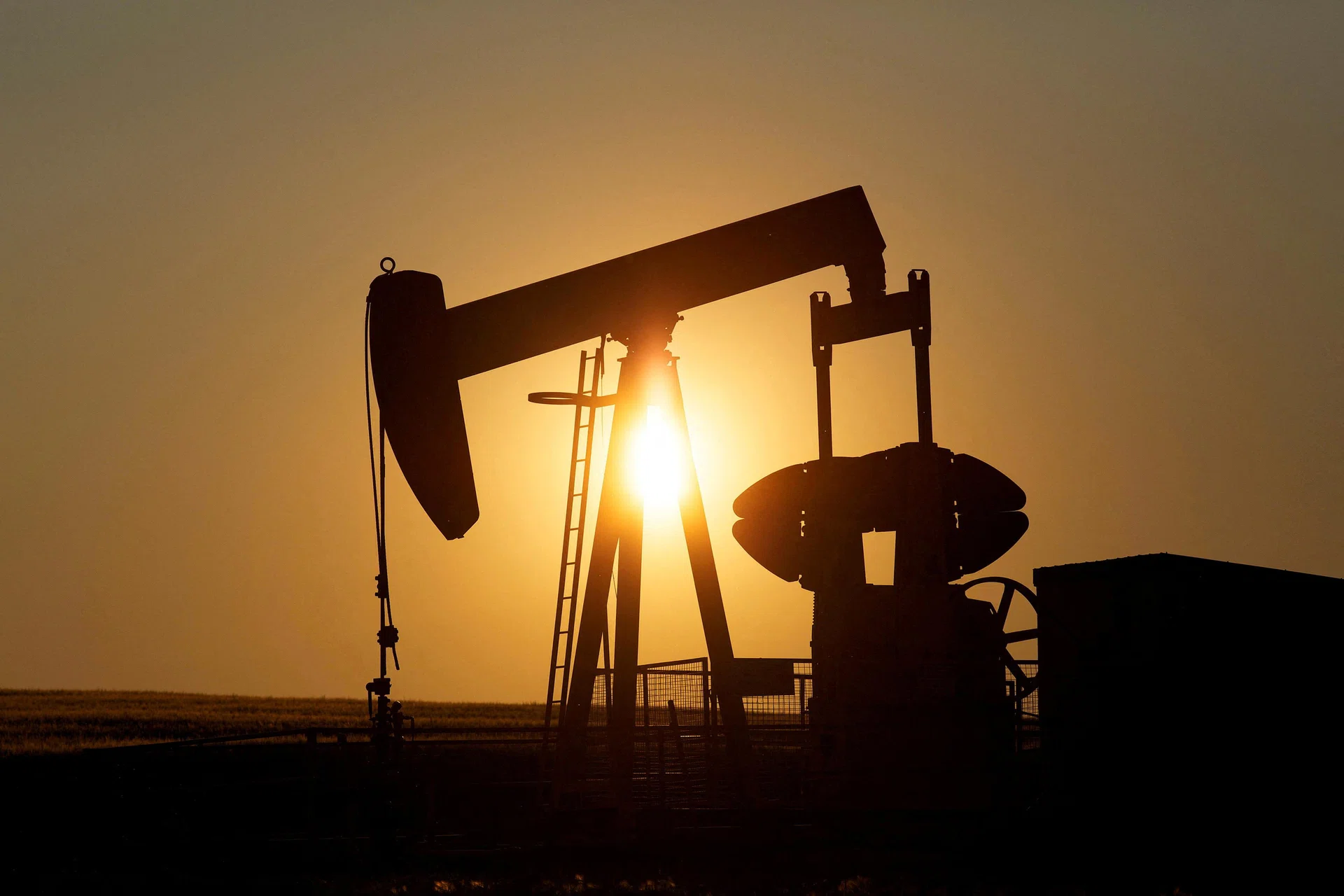
Photo: The Business Times
Global oil markets are experiencing renewed volatility as geopolitical tensions in the Middle East escalate, pushing crude prices higher for a second consecutive session. The surge comes as U.S. President Donald Trump reaffirmed a hard deadline for Iran to fully reopen the Strait of Hormuz, a critical artery for global energy supplies, intensifying fears of a prolonged supply shock.
U.S. West Texas Intermediate crude for May delivery climbed nearly 3 percent to trade above 115 dollars per barrel, while Brent crude futures rose around 1.5 percent to hover above 111 dollars. The rally reflects growing concern among traders that disruptions in one of the world’s most vital shipping routes could persist, tightening already strained global supply chains.
The Strait of Hormuz, a narrow passage connecting the Persian Gulf to the Gulf of Oman, plays an outsized role in global energy markets. Roughly 20 million barrels of crude oil and refined products pass through the strait daily under normal conditions, accounting for nearly one fifth of global petroleum consumption. Since the outbreak of conflict on February 28, flows have dropped sharply, triggering spikes not only in crude oil prices but also in refined fuels such as diesel, jet fuel, and gasoline.
President Trump has escalated rhetoric in recent days, warning that Iran could face swift and severe military action if it fails to comply with U.S. demands. He reiterated that Tehran must restore full shipping access by Tuesday evening, signaling that failure to do so could result in targeted strikes on critical infrastructure, including power plants and transport networks. At the same time, he indicated that diplomatic channels remain open, noting that negotiations are ongoing and potentially progressing.
Behind the scenes, discussions between U.S. and Iranian officials have reportedly explored a broader framework to end the five week conflict. Iran has responded with its own proposal, outlining conditions that include a permanent cessation of hostilities, guarantees for safe maritime passage, easing of economic sanctions, and long term reconstruction commitments. However, the gap between the two sides remains significant, reducing the likelihood of a comprehensive agreement before the looming deadline.
Market participants are closely tracking every development, as uncertainty continues to dominate sentiment. Analysts suggest that traders are currently pricing in multiple potential outcomes, ranging from a last minute diplomatic breakthrough to further military escalation that could disrupt supply even more severely. This unpredictability has injected a risk premium into oil prices, contributing to the current upward momentum.
Despite the tension, there are early signs of limited recovery in shipping activity. Data indicates that around eight oil tankers transited the Strait of Hormuz on Monday, a noticeable increase from fewer than two daily crossings seen in March. While this represents marginal improvement, it remains far below normal operating levels, highlighting the fragility of the situation.
Experts caution that even if a resolution is reached soon, the normalization of supply flows will not be immediate. Energy logistics, insurance risks, and security concerns are expected to delay a full recovery. Estimates suggest that it could take anywhere from three to six months for oil shipments through the strait to return to pre-conflict volumes, particularly for energy dependent regions in Asia that rely heavily on Middle Eastern crude.
The broader economic implications are also beginning to surface. Elevated oil prices are likely to add inflationary pressure across major economies, increase transportation and manufacturing costs, and complicate central bank policy decisions. For emerging markets, especially those heavily reliant on energy imports, the situation poses an added risk to economic stability.
As the deadline approaches, global markets remain on edge. Whether the situation de-escalates through diplomacy or intensifies through conflict will play a decisive role not only in the direction of oil prices but also in the broader trajectory of the global economy in the months ahead.
.webp)
Popular articles



Subscribe to unlock premium content
Beyoncé’s Wellness Retreats Redefine Luxury Lifestyle

Skiing Above the Skyline

ED by Ellen Redefines Celebrity Media

Beyoncé’s Wellness Retreats Redefine Luxury Lifestyle
Skiing Above the Skyline
Beyoncé’s Wellness Retreats Redefine Luxury Lifestyle