Oil Prices Surge as Iran Strikes Qatar Gas Hub, Triggering Global Supply Fears

Oil Prices Surge as Iran Strikes Qatar Gas Hub, Triggering Global Supply Fears
By
Junia Wells
Last updated:
March 19, 2026
First Published:
March 19, 2026

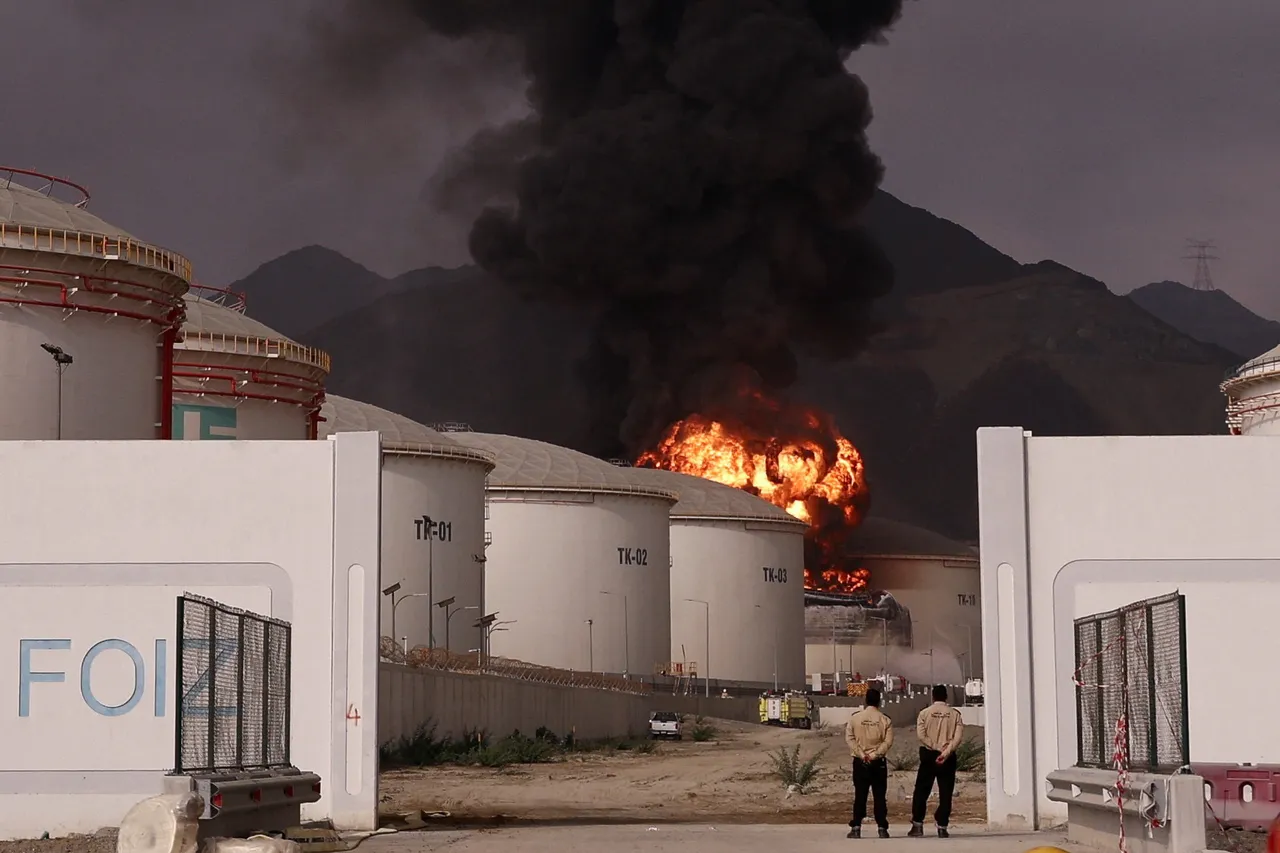
Photo: TRT World
Oil Market Reacts to Escalation in the Middle East
Global energy markets moved sharply higher after fresh attacks on critical infrastructure intensified fears of a supply shock. Brent crude jumped more than 4% to trade above $112 per barrel, while U.S. West Texas Intermediate (WTI) climbed past $97, reflecting growing anxiety among traders over tightening supply conditions.
The rally marks one of the strongest single-day moves in recent months, with volatility surging as geopolitical risks begin to directly impact energy production and logistics rather than just sentiment.
Key LNG Facility in Qatar Hit
Qatar confirmed that Iranian missile strikes caused extensive damage to Ras Laffan Industrial City, a cornerstone of global liquefied natural gas exports. The facility, widely regarded as the largest LNG export hub in the world, plays a critical role in supplying energy to Europe and Asia.
QatarEnergy reported that emergency response teams were quickly deployed to contain fires at the site. While no casualties were recorded, the scale of the damage has raised serious concerns about export capacity and recovery timelines.
Government officials described the attack as a major escalation, warning that it threatens both national security and the stability of global energy markets. Qatar has also signaled that it reserves the right to respond under international law.
Chain Reaction from Regional Conflict
The strikes are part of a rapidly escalating cycle of retaliation in the region. Earlier, Israel targeted Iran’s South Pars gas processing facility, one of the largest natural gas fields in the world. In response, Iran warned it would expand its targets to include energy assets across the Gulf, including in Qatar, Saudi Arabia, and the United Arab Emirates.
This widening conflict has placed the entire Middle East energy corridor on high alert, with major producers bracing for further disruptions. Both Saudi Arabia and United Arab Emirates have reportedly increased security measures around critical oil and gas infrastructure.
Global Supply at Risk
Qatar is the world’s second-largest LNG exporter after the United States, accounting for nearly 20% of global LNG shipments. Any sustained disruption at Ras Laffan could significantly tighten global gas supply, particularly for import-dependent regions.
Compounding the situation, tanker traffic through the Strait of Hormuz—a vital chokepoint responsible for roughly 20% of global oil flows—has been severely restricted. This bottleneck is amplifying fears of both immediate supply shortages and longer-term logistical constraints.
Qatar had already halted LNG production earlier in March following prior drone attacks on key industrial sites, meaning the latest strikes further deepen an already fragile supply situation.
From Supply Chain Disruption to Supply Shock
Energy analysts warn that the market is transitioning from manageable disruptions to a more serious structural supply threat. Dan Pickering, Chief Investment Officer at Pickering Energy Partners, noted that while supply chain issues can be resolved relatively quickly, actual production losses are far more difficult to offset.
This distinction is critical. If production capacity is impaired or exports are halted for an extended period, global inventories could tighten rapidly, pushing prices higher and sustaining volatility.
Extreme Scenarios and Market Risks
Market veterans are increasingly considering worst-case scenarios. Tom Kloza, a senior energy strategist, warned that if attacks extend beyond the Gulf region to major refining hubs in Europe or North America, the impact on global prices could be unprecedented.
Such a development would mark a shift from regional instability to a full-scale global energy crisis, where traditional pricing models break down and markets react to fear-driven supply hoarding.
In that scenario, oil and gas prices could spike dramatically as buyers scramble to secure supply, potentially triggering ripple effects across inflation, transportation costs, and global economic growth.
What Comes Next for Energy Markets
The current situation has introduced a new level of uncertainty into energy markets, with traders now closely watching both geopolitical developments and infrastructure updates. Any confirmation of prolonged outages or further attacks could push prices even higher.
For now, the combination of damaged LNG infrastructure, restricted shipping routes, and escalating regional tensions suggests that energy markets are entering a highly volatile phase—one where supply security, rather than demand trends, will dominate price movements in the near term.
.webp)
Popular articles



Subscribe to unlock premium content
Sipping Sophistication in the Heart of New York

Clay Escapes for the Modern Elite

Tiny Masterpieces Big Experiences

Sipping Sophistication in the Heart of New York
Clay Escapes for the Modern Elite
Sipping Sophistication in the Heart of New York