Oil Prices Surge Above $100 as Uncertainty Clouds Security Plans in Strait of Hormuz

Oil Prices Surge Above $100 as Uncertainty Clouds Security Plans in Strait of Hormuz
By
Leah Rosenfeld
Last updated:
March 17, 2026
First Published:
March 17, 2026

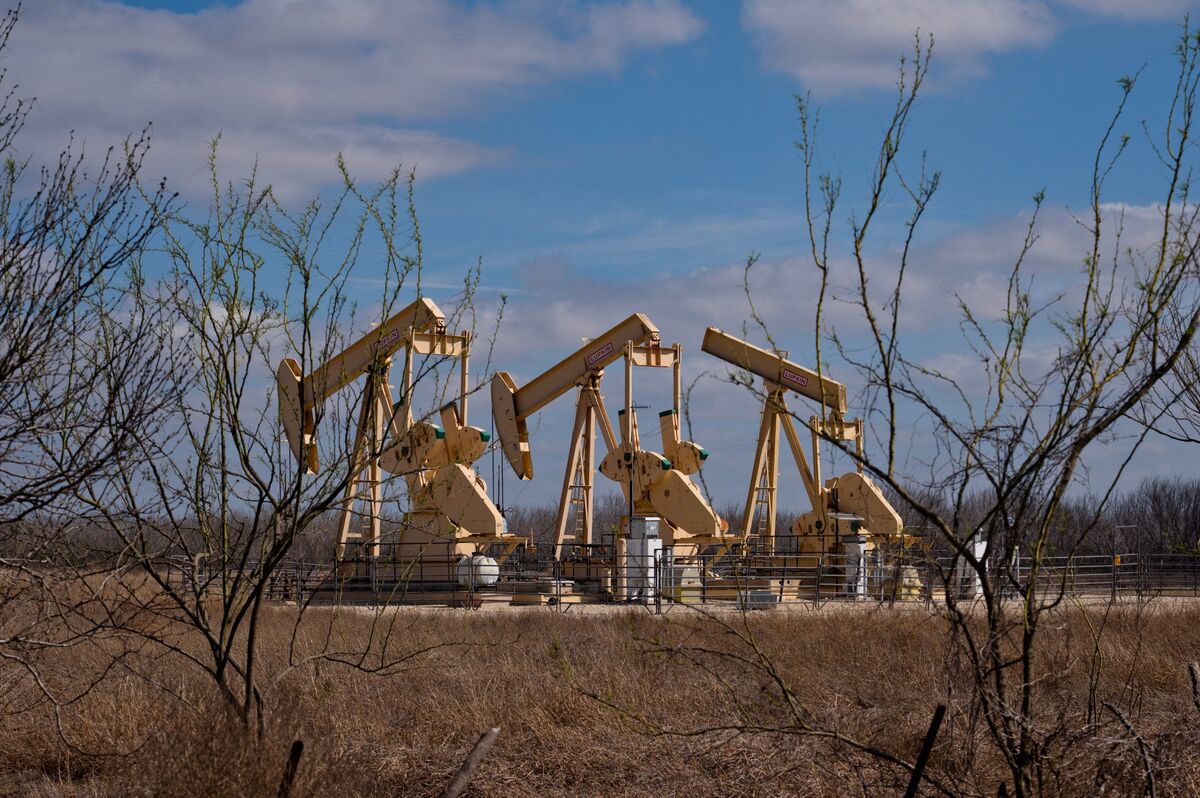
Photo: Bloomberg.com
Global oil markets moved sharply higher as geopolitical uncertainty surrounding the Strait of Hormuz intensified, pushing prices up more than 2% and reigniting concerns over supply disruptions. Brent crude climbed to $102.57 per barrel, while U.S. West Texas Intermediate (WTI) rose to $95.85, reflecting growing anxiety among traders over the stability of one of the world’s most important النفط transit corridors.
The rally comes amid confusion over a proposed U.S.-led coalition aimed at safeguarding commercial shipping through the strait. While discussions around naval escorts and coordinated protection efforts have been ongoing, markets are reacting to the lack of concrete implementation and mixed signals from policymakers.
Conflicting Signals Shake Market Confidence
Investor sentiment has been heavily influenced by inconsistent messaging from U.S. officials. While reports suggested that a multinational coalition to secure tanker routes could be announced soon, indications from leadership point to delays and incomplete participation.
The situation has raised doubts about how quickly and effectively such a coalition can be deployed. Calls for allied nations to contribute military resources have received a mixed response, with some countries showing support while others remain hesitant to commit.
At the same time, the U.S. has allowed certain Iranian oil shipments to continue passing through the Strait of Hormuz, adding another layer of complexity to the geopolitical landscape and fueling uncertainty in energy markets.
Strait of Hormuz Remains a Critical Chokepoint
The Strait of Hormuz continues to be one of the most strategically vital passages in global energy trade. Positioned between Iran and Oman, it serves as a key gateway for oil exports from major producers in the Middle East.
In 2025 alone, approximately 13 million barrels of oil per day flowed through the strait, accounting for around 30% of global seaborne crude shipments. Any disruption in this corridor has immediate and far-reaching consequences for global supply chains, energy prices, and economic stability.
Recent attacks targeting oil tankers have already led to a noticeable decline in shipping activity through the region. This drop in transit volumes is contributing to tightening supply conditions and increasing price volatility.
Supply Disruptions Drive Price Momentum
The scale of the disruption is creating significant challenges for the oil market. With fewer tankers moving through the strait and security risks rising, traders are factoring in potential shortages and higher transportation costs.
Energy analysts suggest that the current situation represents one of the most severe supply shocks in recent years. Even with strategic reserves and alternative routes, replacing the volume of oil that typically passes through the Strait of Hormuz is a complex and time-consuming process.
Efforts such as offering insurance guarantees for shipping companies and deploying naval escorts have been discussed, but remain largely unimplemented. Without these measures in place, the risk premium embedded in oil prices is likely to persist.
Challenges in Securing Shipping Routes
Protecting commercial vessels in such a high-risk environment presents significant operational challenges. Escorting tankers would require sustained naval presence, exposing military assets to potential attacks and escalating the conflict further.
As a result, there is growing speculation that any large-scale protection initiative may be delayed until the threat level is reduced. This cautious approach, while strategically understandable, is contributing to ongoing uncertainty in the market.
Outlook for Oil Markets
The near-term outlook for oil prices remains closely tied to geopolitical developments in the Middle East. As long as tensions persist and clarity around shipping security remains limited, volatility is expected to stay elevated.
Markets are likely to remain highly sensitive to any updates regarding coalition efforts, military actions, or changes in shipping patterns through the Strait of Hormuz. Even small developments could trigger sharp price movements in either direction.
For now, the combination of supply disruptions, strategic uncertainty, and geopolitical risk is keeping oil prices supported above key levels, reinforcing the region’s continued influence over global energy markets.
.webp)
Popular articles



Subscribe to unlock premium content
Fermenting Success in South Korea

Hidden Literary Treasures in the Age of Giants

Whispers of Wealth in Japan

Fermenting Success in South Korea
Hidden Literary Treasures in the Age of Giants
Fermenting Success in South Korea