Oil Prices Retreat as Delay in Potential U.S. Action Against Iran Calms Immediate Supply Fears

Oil Prices Retreat as Delay in Potential U.S. Action Against Iran Calms Immediate Supply Fears
By
David Goldfarb
Last updated:
May 19, 2026
First Published:
May 19, 2026

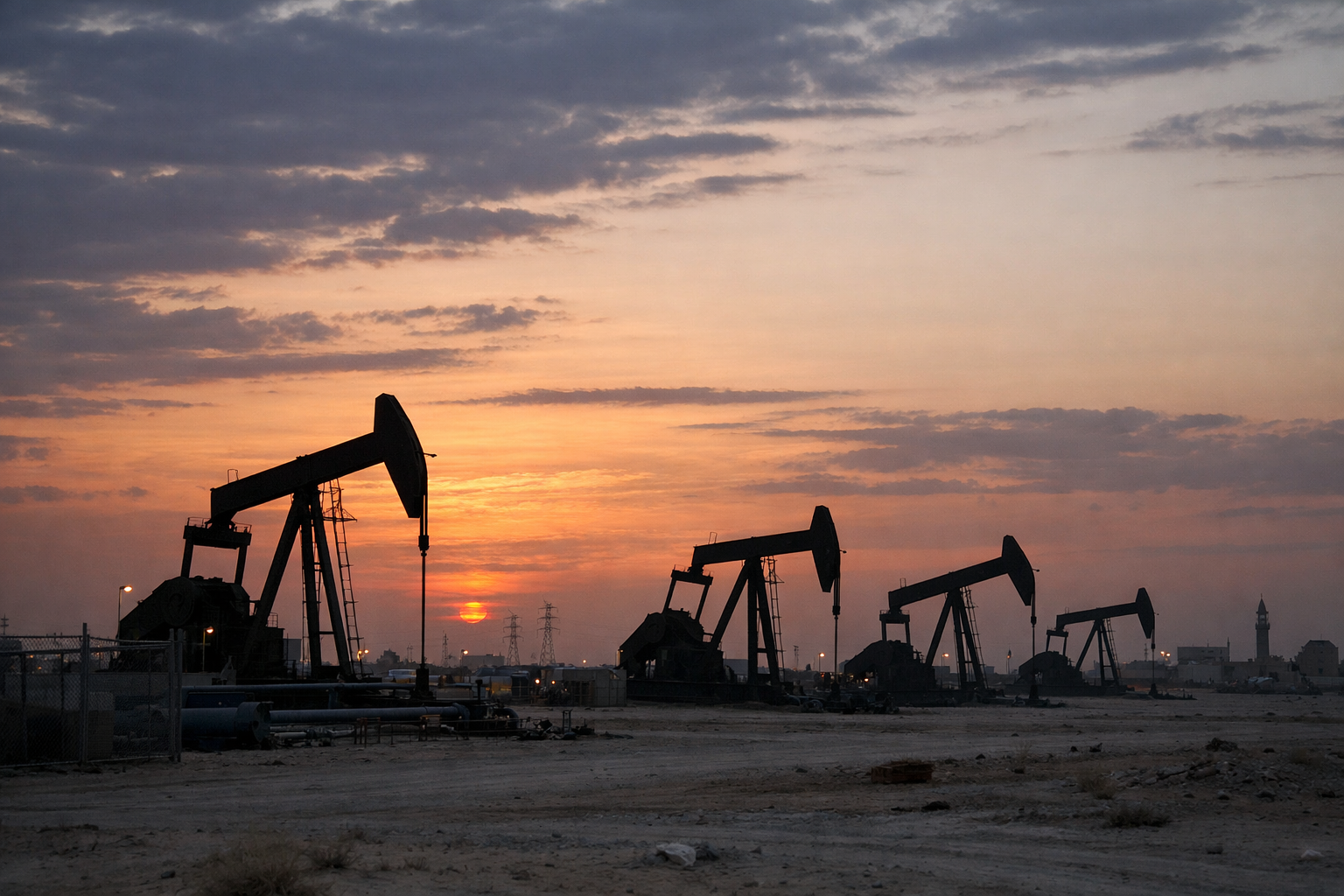
Photo: Invezz
Oil prices moved lower after concerns over an immediate escalation in the Middle East eased, giving global energy markets a short-term sense of relief. Investors reduced some of the risk premium that had built up in crude markets after U.S. President Donald Trump announced that a planned military operation against Iran had been postponed following discussions with regional allies.
The decline comes after weeks of elevated volatility in global oil markets, where geopolitical tensions, shipping concerns, and uncertainty surrounding critical supply routes have pushed crude prices sharply higher.
While the delay reduced immediate fears of supply disruptions, analysts warn that uncertainty surrounding the region remains significant and could continue influencing oil markets in the coming weeks.
Crude Prices Slide as Immediate Military Concerns Fade
International oil benchmarks pulled back following the announcement.
Brent crude futures for July delivery declined by more than 2%, falling to approximately $109.15 per barrel.
Meanwhile:
• West Texas Intermediate (WTI) crude dropped around 1.27% to roughly $107.28 per barrel
• Energy traders reduced short-term geopolitical risk positions
• Market volatility eased after several sessions of strong gains
The move reflects how sensitive oil prices have become to developments in the Middle East, a region that remains central to global energy production and transportation.
Recent tensions had pushed prices higher as investors worried that military escalation could disrupt major supply channels.
Regional Leaders Reportedly Urged a Delay
According to statements from President Trump, leaders from several Gulf nations requested that Washington avoid immediate military action.
The countries involved reportedly included:
• Qatar
• Saudi Arabia
• United Arab Emirates
Trump stated that a planned operation had been postponed following discussions with regional partners and ongoing diplomatic engagement.
He indicated that major conversations with Iran were taking place and suggested that additional time could create room for diplomatic progress.
The comments immediately shifted market sentiment.
Prior to the announcement, traders had increasingly worried that direct military involvement could lead to broader regional instability and place additional pressure on global oil supply chains.
Why Markets Reacted So Quickly
Energy markets often price geopolitical risk rapidly because supply disruptions can have immediate consequences for prices.
The Middle East remains one of the world's most important energy-producing regions and controls several key transportation routes for crude exports.
Among the biggest concerns for traders is the Strait of Hormuz.
The narrow waterway handles a substantial share of global oil movements and serves as a critical shipping corridor connecting Gulf producers to international markets.
Roughly:
• Nearly one-fifth of global oil consumption passes through the region
• Millions of barrels of crude move through the route daily
• Major producers rely heavily on uninterrupted shipping activity
Any prolonged disruption can create significant ripple effects across global energy markets.
Shipping Activity Shows Partial Recovery
While concerns remain elevated, recent market data suggests some shipping activity has begun stabilizing.
Several crude tankers reportedly resumed movement through important routes, including cargo shipments heading toward Asian markets.
Among developments observed:
• Certain crude tanker operations restarted
• Iraqi oil shipments resumed toward Asian destinations
• Some regional transport activity improved
However, analysts caution that shipping volumes remain below normal operating levels.
Energy flows have not fully recovered, and conditions could shift rapidly if tensions intensify again.
The current situation continues forcing markets to rely more heavily on existing inventories and alternative supply sources.
Supply Chains Continue Feeling Pressure
Although prices moved lower after the announcement, analysts say the underlying market structure remains tight.
Ongoing supply concerns have already affected global energy systems through:
• Higher transportation costs
• Increased insurance expenses for shipments
• Supply chain rerouting
• Dependence on strategic reserves and inventories
• Increased volatility in commodity pricing
Even temporary disruptions can create challenges because oil markets operate on highly interconnected supply systems.
When transportation routes become uncertain, buyers often seek alternative suppliers, increasing pressure across other regions.
Traders Continue Monitoring Diplomatic Developments
Market participants are now closely watching whether diplomatic efforts lead to broader stability.
Recent expectations that larger international discussions could produce progress have yet to deliver meaningful results, leaving uncertainty elevated.
For investors and commodity traders, several key issues remain in focus:
• Future negotiations involving Iran
• Shipping conditions across major routes
• Production stability among Gulf nations
• Global inventory levels
• Potential policy responses from major economies
Even though immediate fears have eased, many analysts believe the energy market still contains a sizable geopolitical risk premium.
The Bigger Picture for Global Oil Markets
The recent pullback in crude prices highlights how quickly market sentiment can change when geopolitical headlines shift.
While the postponement of military action reduced fears of an immediate supply shock, the broader environment remains fragile.
Oil markets continue balancing two competing forces.
On one side, reduced escalation fears are helping stabilize prices. On the other, unresolved geopolitical tensions, lower-than-normal shipping activity, and ongoing supply concerns continue creating uncertainty.
For now, traders appear willing to step back from worst-case scenarios, but the market remains highly sensitive to any new developments across the Middle East.
.webp)
Popular articles



Subscribe to unlock premium content
The $60 Million Market for Ultra-Exclusive Executive Pop-Up Experiences

Adrenaline Meets Prestige

Pampered Paws and Plush Palaces

The $60 Million Market for Ultra-Exclusive Executive Pop-Up Experiences
Adrenaline Meets Prestige
The $60 Million Market for Ultra-Exclusive Executive Pop-Up Experiences