Oil Prices Rebound as Ceasefire Tensions Between Iran and U.S. Trigger Fresh Supply Fears

Oil Prices Rebound as Ceasefire Tensions Between Iran and U.S. Trigger Fresh Supply Fears
By
Augusta Parker
Last updated:
April 9, 2026
First Published:
April 25, 2026

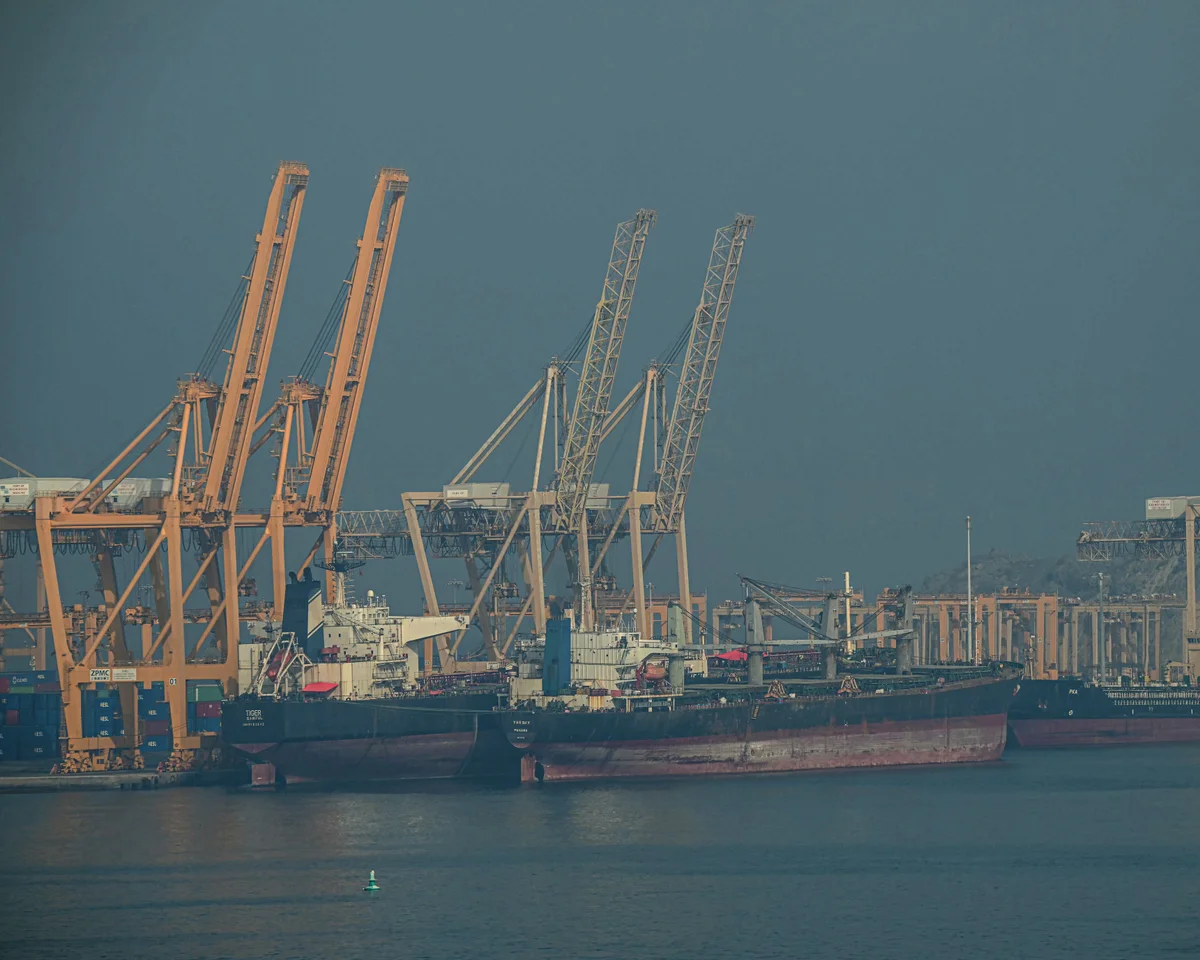
Photo: The Guardian
Global oil markets moved higher again as geopolitical tensions resurfaced in the Middle East, underscoring how fragile the current energy landscape remains. Prices climbed after Iran accused the United States of breaching elements of a recently established two-week ceasefire, raising concerns that the brief period of stability could unravel and disrupt already sensitive supply chains.
The renewed friction comes at a critical moment for oil markets, which had just experienced their sharpest single-day decline in years. That brief dip now appears to have been short-lived, as traders quickly recalibrated positions in response to escalating political risk.
Oil Prices Reverse Course
Benchmark crude prices recorded a notable rebound. Brent crude futures for June delivery rose over 2 percent, settling near $97 per barrel, while U.S. West Texas Intermediate crude climbed close to $97 as well, gaining nearly 3 percent on the day.
This recovery follows a significant sell-off just 24 hours earlier, when prices dropped sharply amid temporary optimism surrounding the ceasefire agreement. However, the latest developments have reinforced a familiar pattern in energy markets where geopolitical instability quickly overrides short-term sentiment.
Trading volumes also increased as hedge funds and institutional investors re-entered the market, anticipating further volatility. Analysts suggest that price swings of $3 to $5 per barrel within a single session could become more frequent if tensions persist.
Ceasefire Dispute Fuels Uncertainty
At the center of the latest price movement is a dispute over the terms of the ceasefire agreement. Iran’s parliamentary leadership has publicly accused Washington of violating key conditions outlined in a proposed 10-point truce framework.
Among the alleged breaches are continued Israeli military operations in Lebanon, the reported entry of an unmanned aerial vehicle into Iranian airspace, and ongoing disagreements over Iran’s nuclear enrichment rights. These issues highlight the complexity of the agreement and the lack of alignment between involved parties.
U.S. officials have responded cautiously, acknowledging that ceasefire arrangements in conflict zones are rarely straightforward. While Washington maintains its position on limiting Iran’s nuclear capabilities, it has also signaled openness to continued negotiations.
The divergence in interpretations of the agreement has amplified uncertainty, making it difficult for markets to confidently price in a sustained de-escalation.
Strategic Chokepoints Back in Focus
One of the biggest concerns for traders is the potential impact on critical energy transit routes. The Middle East remains home to some of the world’s most important النفط corridors, particularly the Strait of Hormuz, through which roughly 20 percent of global oil supply passes daily.
Any escalation that threatens shipping through this narrow passage could trigger immediate supply shocks. Even without a full disruption, heightened risk premiums are already being priced into futures contracts.
Shipping insurance costs have also started to edge higher, and tanker operators are reportedly reassessing routes and schedules. These logistical adjustments can further tighten supply, even if production levels remain unchanged.
Refiners Face a Narrow Window
For refiners, the current pricing environment presents both an opportunity and a challenge. With crude prices still hovering below the $100 per barrel threshold, some analysts argue that this is an ideal moment to secure inventory at relatively lower costs.
However, hesitation could prove costly. If buyers delay purchases in anticipation of another dip while supply flows remain constrained, refined product markets such as gasoline and diesel could tighten significantly. This mismatch between crude availability and refined output demand may push downstream prices higher.
Margins for refiners have already shown signs of compression in recent weeks, particularly in Asia and Europe, where demand recovery remains uneven.
Volatility Likely to Persist
Looking ahead, oil markets are expected to remain highly reactive to geopolitical headlines. The combination of fragile diplomatic progress, ongoing military activity, and structural supply constraints creates an environment where price stability is difficult to achieve.
Macro factors are also adding complexity. Global demand remains resilient, driven by recovering industrial activity in Asia and steady consumption in the United States. At the same time, OPEC+ production strategies and U.S. shale output continue to influence the supply side of the equation.
If tensions escalate further, analysts warn that oil prices could quickly retest the $100 mark and potentially move higher. Conversely, any credible diplomatic breakthrough could trigger another rapid correction.
A Market Defined by Risk Premiums
Ultimately, the latest rebound in oil prices highlights a broader trend: energy markets are increasingly being driven by geopolitical risk rather than purely economic fundamentals.
In such an environment, even minor developments can have outsized effects on pricing. For investors, traders, and policymakers, this means navigating a market where uncertainty is not an exception but the baseline.
As the situation evolves, the balance between diplomacy and disruption will determine whether oil prices stabilize or enter another prolonged phase of volatility.
.webp)
Popular articles



Subscribe to unlock premium content
Beyoncé’s Wellness Retreats Redefine Luxury Lifestyle

Skiing Above the Skyline

ED by Ellen Redefines Celebrity Media

Beyoncé’s Wellness Retreats Redefine Luxury Lifestyle
Skiing Above the Skyline
Beyoncé’s Wellness Retreats Redefine Luxury Lifestyle