
Oil Prices Rebound as Brent Surges Back Above $100 Amid Persistent Middle East Supply Fears

Oil Prices Rebound as Brent Surges Back Above $100 Amid Persistent Middle East Supply Fears
By
Augusta Parker
Last updated:
March 24, 2026
First Published:
April 25, 2026

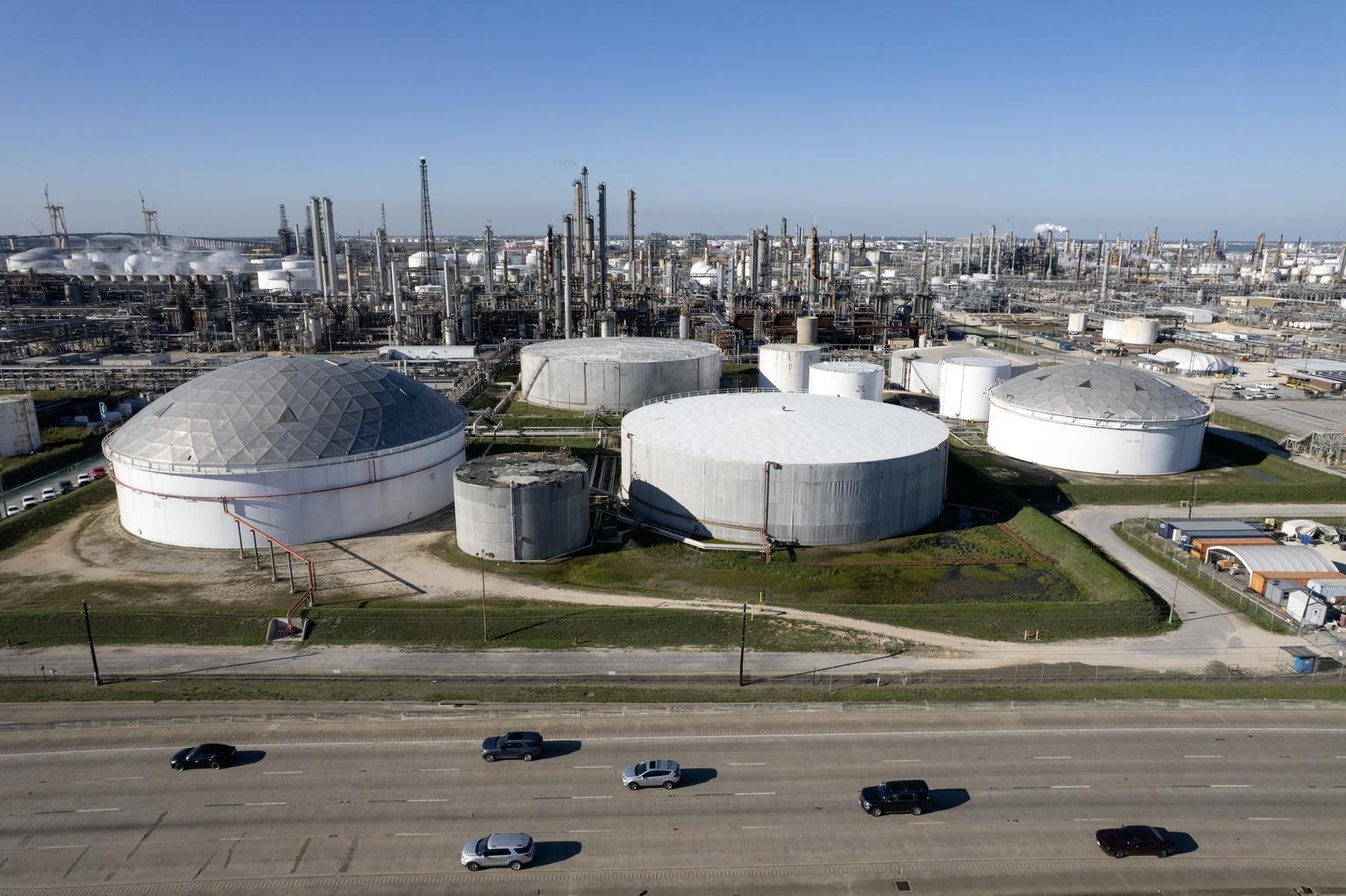
Photo: Forbes
النفط rebounds as geopolitical uncertainty dominates
Oil markets regained momentum in Tuesday’s Asian trading session, with prices climbing sharply after a dramatic sell-off a day earlier. The rebound reflects ongoing uncertainty surrounding the Middle East conflict, with traders increasingly skeptical about any immediate resolution and continuing to price in supply risks.
Brent crude futures for May delivery surged more than 3% to $102.96 per barrel, reclaiming the psychologically significant $100 mark. Meanwhile, U.S. benchmark West Texas Intermediate (WTI) rose 3.6% to $91.27 per barrel, highlighting a broad recovery across global crude benchmarks.
A volatile swing after steep losses
The recovery comes on the heels of one of the sharpest single-day declines in recent months. On Monday, Brent crude plunged approximately 11%, falling to around $99 per barrel after briefly trading above $112 just days earlier.
This dramatic price swing underscores the heightened volatility currently gripping oil markets, where headlines and geopolitical developments are driving rapid shifts in sentiment. The initial sell-off was triggered by signals suggesting a potential easing of tensions between the United States and Iran.
Conflicting signals fuel market skepticism
Comments from Donald Trump indicating “productive conversations” with Iran initially boosted investor optimism, leading to a broad market rally and a drop in oil prices. The announcement included a temporary pause on potential military strikes targeting Iranian energy infrastructure, which markets interpreted as a step toward de-escalation.
However, that optimism quickly faded after Iranian officials pushed back against the claims, denying that any meaningful negotiations had taken place. This contradiction injected fresh uncertainty into the market, prompting traders to reassess the likelihood of a near-term resolution.
The rebound in oil prices suggests that market participants remain unconvinced that tensions will ease quickly, keeping a geopolitical risk premium firmly embedded in crude prices.
Supply disruption fears remain central
At the heart of the market’s चिंता is the potential for disruptions to global oil supply chains. The Middle East remains one of the world’s most critical energy hubs, and any instability in the region can have immediate and far-reaching consequences.
Particular attention is focused on the Strait of Hormuz, a vital chokepoint through which roughly 20% of global seaborne oil supply typically passes. Since the escalation of the conflict, flows through this route have been significantly affected, raising concerns about constrained supply and logistical bottlenecks.
Although Iranian state media has indicated that transit through the strait may resume under certain conditions, restrictions on vessels linked to perceived adversaries continue to create uncertainty for global shipping and energy markets.
Infrastructure risks and market pricing
Repeated attacks and threats targeting energy infrastructure across the region have further heightened concerns. Oil production facilities, pipelines, and shipping routes are all viewed as vulnerable, increasing the likelihood of supply interruptions.
Even in scenarios where diplomatic progress is made, analysts warn that lingering risks to infrastructure and transport capacity could keep oil prices elevated compared to earlier in the year. This structural uncertainty is being actively priced into the market, contributing to sustained volatility.
Broader market implications
The fluctuations in oil prices are having ripple effects across global financial markets. Energy costs play a critical role in inflation dynamics, and any sustained increase in crude prices could complicate efforts by central banks to stabilize prices.
Equity markets initially responded positively to the prospect of de-escalation, but the subsequent rebound in oil highlights how fragile that optimism remains. Investors are now balancing hopes for diplomatic progress against the বাস্তব risk of prolonged conflict.
The bigger picture
The recent price action in oil markets illustrates a classic tug-of-war between optimism and caution. While headlines suggesting diplomatic progress can trigger sharp sell-offs, underlying geopolitical risks continue to support higher price levels.
As long as uncertainty persists in the Middle East and key supply routes remain under threat, oil markets are likely to remain highly reactive. Traders will continue to monitor developments closely, with even minor updates capable of triggering significant price swings in an already حساس market environment.
.webp)
Popular articles



Subscribe to unlock premium content
AI-Curated Luxury Shopping Experiences Transform the Market

Limited-Run Anime Originals Redefining Global Entertainment

Micro-Vertical Farming Becomes Corporate Gold
.png)
AI-Curated Luxury Shopping Experiences Transform the Market
Limited-Run Anime Originals Redefining Global Entertainment
AI-Curated Luxury Shopping Experiences Transform the Market


