Oil Prices Decline Over 2% Amid Intensifying U.S.-China Trade War

Oil Prices Decline Over 2% Amid Intensifying U.S.-China Trade War
By
Junia Wells
Last updated:
April 10, 2025
First Published:
April 11, 2025

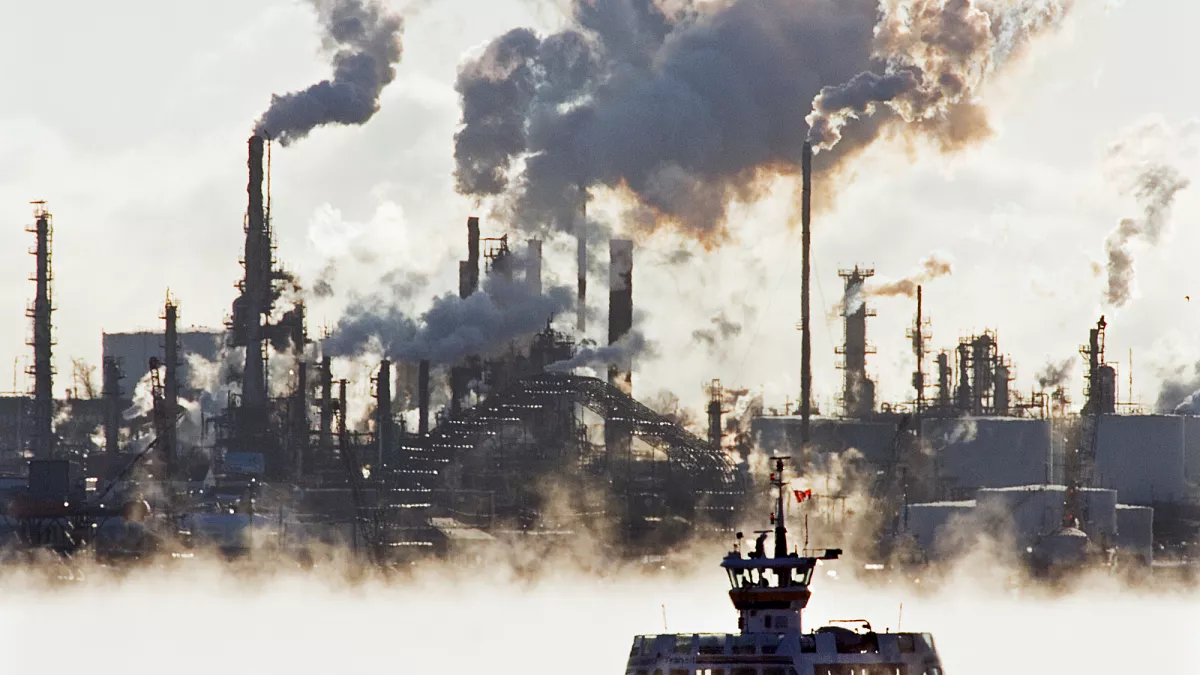
Source: Euronews.com
Market Reaction to Tariff Escalation
On Thursday, crude oil futures experienced a significant decline exceeding 2%, driven by escalating trade tensions between the United States and China. This downturn overshadowed President Donald Trump's recent 90-day suspension of increased tariffs for most other nations.
- West Texas Intermediate (WTI) Crude: Dropped $1.76, or 2.8%, settling at $60.59 per barrel.
- Brent Crude: Decreased by $1.72, or 2.6%, closing at $63.76 per barrel.
The decline comes after a brief rally on Wednesday, when WTI surged 13% from its session low to close at $62.35 per barrel. This uptick followed President Trump's announcement of a temporary 10% tariff rate on imports from most U.S. trading partners and his openness to negotiate with countries that refrain from retaliatory measures.
Impact of Tariffs on China
Despite the temporary relief for some nations, the administration's decision to impose a substantial 125% tariff on Chinese imports has intensified concerns within the oil market. China, as the world's second-largest economy and leading crude importer, plays a pivotal role in global oil demand. The heightened tariffs have raised alarms about a potential slowdown in China's economic growth, which could lead to decreased energy consumption.
Jim Burkhard, head of oil market research at S&P Global Commodity Insights, highlighted the significance of these developments:
"The tariffs on China are now higher—that's still pretty significant. These negotiations with all these different countries—can the U.S. negotiate with 70 countries all at once? I don't think the chaos is over."
Broader Economic Implications
The escalation in tariffs has not only impacted oil prices but also sent ripples through global financial markets. Major stock indices have experienced volatility, with investors expressing concerns over the potential for a prolonged trade war to hamper economic growth worldwide.
In response to the U.S. tariffs, China has vowed to "fight to the end," arguing that trade between the two countries is balanced and criticizing the U.S. measures as unjustified.
Outlook for the Oil Market
Analysts are closely monitoring the situation, as prolonged trade disputes could lead to sustained pressure on oil prices. The Organization of the Petroleum Exporting Countries (OPEC) and its allies may need to reassess their production strategies to stabilize the market amid fluctuating demand forecasts.
Investors are advised to stay informed on developments in U.S.-China trade negotiations, as further escalations or resolutions could have immediate impacts on oil prices and broader market stability.

Popular articles


Subscribe to unlock premium content
The Rise of Ultra-Luxury Wilderness Retreats in Siberia for High-Net-Worth Investors

Remote Himalayan Villages Transforming Ancient Traditions into Lucrative Wellness Ventures

The New Frontier of Investment in African Artisan Mining Communities

The Rise of Ultra-Luxury Wilderness Retreats in Siberia for High-Net-Worth Investors
Remote Himalayan Villages Transforming Ancient Traditions into Lucrative Wellness Ventures
The Rise of Ultra-Luxury Wilderness Retreats in Siberia for High-Net-Worth Investors