
Oil Markets Whipsaw as Trump Signals Possible De-escalation in Iran Conflict

Oil Markets Whipsaw as Trump Signals Possible De-escalation in Iran Conflict
By
David Goldfarb
Last updated:
March 31, 2026
First Published:
April 25, 2026

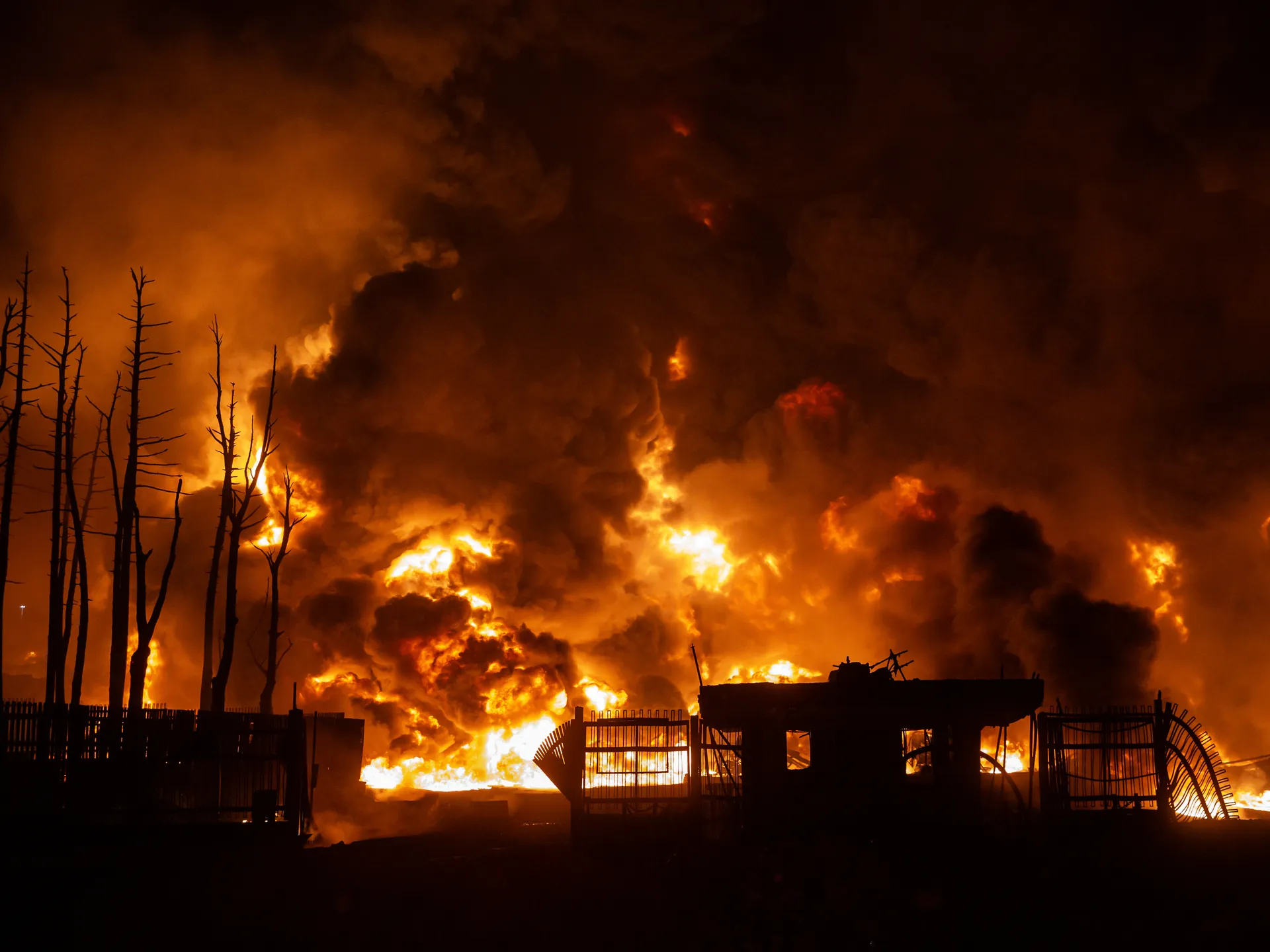
Photo: Axios
Volatility Returns to Oil Markets
Global oil prices swung sharply in volatile trading as investors reacted to shifting geopolitical signals surrounding the ongoing Iran conflict. Traders are increasingly caught between signs of potential de-escalation from the U.S. and intensifying disruptions in one of the world’s most critical energy corridors.
U.S. crude benchmarks showed marginal gains, with West Texas Intermediate hovering near $103 per barrel, while Brent crude climbed above $113 after recovering from earlier losses. The erratic price movements reflect deep uncertainty in the market, where sentiment is being driven more by political developments than fundamental supply-demand dynamics.
Trump’s Comments Reshape Market Expectations
At the center of the volatility are recent statements by Donald Trump, who has reportedly indicated a willingness to scale back U.S. military operations against Iran—even if the Strait of Hormuz remains closed.
This stance marks a notable shift, as reopening the strategic waterway has been a central objective for global energy markets. Analysts suggest that avoiding a prolonged military campaign may be a priority for Washington, especially if negotiations can deliver concessions from Tehran.
Geopolitical strategists note that the administration appears reluctant to pursue a full-scale escalation. Instead, current rhetoric may be aimed at pressuring Iran into a negotiated outcome, particularly around sensitive issues such as nuclear material and regional stability.
Strait of Hormuz Disruptions Intensify
Despite signals of restraint from the U.S., the situation on the ground continues to deteriorate. The Strait of Hormuz, a narrow passage responsible for nearly 20% of global seaborne oil flows under normal conditions, has effectively seen traffic collapse since the conflict began in late February.
Recent incidents have further heightened concerns. A Kuwaiti oil tanker was struck near Dubai’s anchorage zone, underscoring how risks are now extending beyond the strait itself. While authorities managed to contain the fire, the attack highlights Iran’s ability to disrupt shipping lanes even outside the immediate chokepoint.
Energy analysts warn that such asymmetric tactics could allow Iran to maintain pressure on global markets without engaging in direct large-scale confrontation.
Escalation Risks Still Loom
Although Washington appears open to de-escalation, the threat of further military action remains firmly on the table. Trump has previously warned that failure to reach a deal could result in expanded strikes targeting Iran’s critical infrastructure, including oil facilities, power plants, and water desalination systems.
At the same time, reports suggest the U.S. has considered more aggressive options, including seizing strategic assets such as Kharg Island—a vital export hub responsible for handling up to 90% of Iran’s crude shipments.
Such a move would carry significant risks, including prolonged conflict, higher military casualties, and deeper disruption to global energy markets.
A Strategic Standoff Driving Oil Prices
The broader dynamic now resembles a high-stakes standoff. On one side, the U.S. appears to be weighing a controlled exit strategy while maintaining leverage through threats of escalation. On the other, Iran continues to exert pressure by targeting energy flows and maintaining its grip over key maritime routes.
This imbalance is creating a complex pricing environment for oil. Even without a full-scale war, the mere risk of prolonged disruption is enough to keep prices elevated and highly reactive to headlines.
Market Outlook Hinges on Diplomacy
Looking ahead, oil markets will remain tightly linked to geopolitical developments rather than traditional economic indicators. Any signs of a ceasefire agreement or reopening of the Strait of Hormuz could trigger a sharp correction in prices.
Conversely, further attacks on shipping infrastructure or escalation into critical energy assets could push crude prices significantly higher, potentially breaching new multi-year highs.
For now, traders are navigating a fragile landscape where every statement, military move, or diplomatic signal has the power to shift global energy markets within hours.
.webp)
Popular articles



Subscribe to unlock premium content
AI-Curated Luxury Shopping Experiences Transform the Market

Limited-Run Anime Originals Redefining Global Entertainment

Micro-Vertical Farming Becomes Corporate Gold
.png)
AI-Curated Luxury Shopping Experiences Transform the Market
Limited-Run Anime Originals Redefining Global Entertainment
AI-Curated Luxury Shopping Experiences Transform the Market


