Oil Markets Spike as U.S. Signals Imminent Strike on Iran
By
Augusta Parker
Last updated:
April 2, 2026
First Published:
April 25, 2026

Getty Images
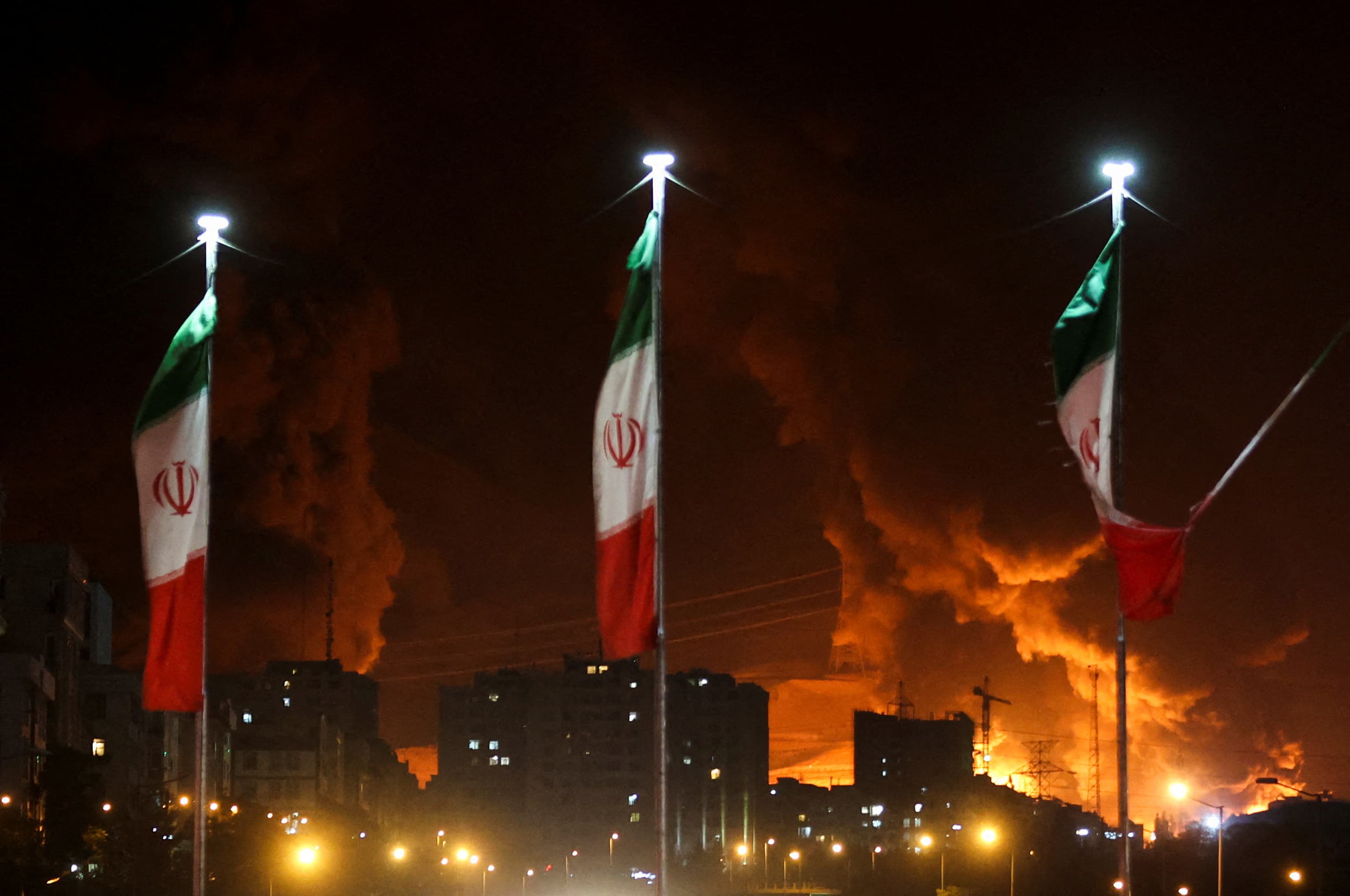
Global oil markets are once again on edge, with prices surging sharply after U.S. President Donald Trump signaled a potential escalation in military action against Iran within weeks. The renewed threat of conflict has injected fresh volatility into already fragile energy markets, reversing earlier optimism about a possible de-escalation.
In late trading, U.S. West Texas Intermediate (WTI) crude for May delivery climbed more than 4% to around $104 per barrel, while international benchmark Brent crude rose 5% to exceed $106. The spike reflects growing concerns that the conflict could deepen and further disrupt global oil supply chains.
Geopolitical Tensions Drive Market Volatility
Trump’s latest remarks suggest a more aggressive stance, warning that the United States is prepared to strike Iran “extremely hard” within the next two to three weeks. While he indicated that diplomatic discussions are still ongoing, the tone of his address has significantly reduced market confidence in a near-term resolution.
Energy traders had been anticipating a clear directional signal—either a path toward de-escalation or confirmation of prolonged conflict. Instead, the mixed messaging has amplified uncertainty, triggering a classic “risk-off” reaction across global markets.
Oil prices have been swinging sharply in recent sessions. Earlier in the week, crude briefly dipped below $100 per barrel following comments hinting at a potential U.S. withdrawal and a quicker end to hostilities. However, the latest escalation narrative has quickly reversed that trend.
Strait of Hormuz Disruption Intensifies Supply Fears
At the center of the crisis lies the Strait of Hormuz, one of the world’s most critical النفط chokepoints, historically responsible for transporting nearly 20% of global oil and gas supplies. Since the conflict escalated in late February, tanker traffic through the strait has slowed dramatically, with some routes effectively shut down.
This disruption has created a supply shock scenario. Shipping insurers have raised premiums, rerouting costs have surged, and several major energy companies are reassessing logistics in the region. Analysts warn that even a partial blockage of the strait could remove millions of barrels per day from the global market.
Political risk experts suggest that normal tanker operations are unlikely to resume in the near term. The lack of a clear security guarantee in the region has left oil exporters and importers navigating an increasingly unstable environment.
Conflicting Signals Complicate Market Outlook
Adding to the uncertainty are contradictory statements from both Washington and Tehran. While Trump claimed that Iran had sought a ceasefire—briefly lifting market sentiment—Iranian officials have firmly denied any such request, asserting control over the Strait of Hormuz and dismissing U.S. claims as unfounded.
This back-and-forth has created confusion around the status of potential negotiations. At various points, U.S. officials have suggested that a diplomatic breakthrough is within reach, only to simultaneously signal readiness for further military escalation, including the deployment of additional troops to the region.
For investors and energy markets, this inconsistency complicates forecasting. The lack of clarity makes it difficult to price in risk accurately, contributing to heightened volatility across commodities and equities tied to energy.
Inflation Risks and Global Economic Impact
The surge in oil prices is already feeding into broader economic concerns. Higher energy costs are a key driver of inflation, affecting everything from transportation and manufacturing to food prices. With Brent crude now firmly above $100, economists warn of renewed inflationary pressure at a time when many economies are still grappling with high interest rates.
For energy-importing nations, particularly in Asia and Europe, the impact could be significant. Rising import bills may strain fiscal balances, weaken currencies, and slow economic growth.
At the same time, oil-exporting countries stand to benefit from higher prices, although geopolitical instability may offset some of those gains by disrupting production and export capabilities.
Markets Brace for a Critical Turning Point
Looking ahead, the next few weeks are likely to be निर्णing for global energy markets. If military action escalates, oil prices could climb even higher, potentially testing levels not seen since previous major geopolitical crises. Conversely, any credible progress toward a ceasefire or reopening of the Strait of Hormuz could trigger a sharp correction.
For now, markets remain in a state of heightened alert. Traders, policymakers, and corporations are closely monitoring developments, aware that the balance between diplomacy and escalation will dictate not only the trajectory of oil prices but also the broader direction of the global economy.
The current situation underscores a familiar reality: in times of geopolitical instability, energy markets react first—and often most violently—serving as an early indicator of wider economic stress.
.webp)
Popular articles



Subscribe to unlock premium content
Beyoncé’s Wellness Retreats Redefine Luxury Lifestyle

Skiing Above the Skyline

ED by Ellen Redefines Celebrity Media

Beyoncé’s Wellness Retreats Redefine Luxury Lifestyle
Skiing Above the Skyline
Beyoncé’s Wellness Retreats Redefine Luxury Lifestyle