Oil Market Faces Fresh Shock Risk as Hormuz Disruptions Could Push Crude Prices Higher

Oil Market Faces Fresh Shock Risk as Hormuz Disruptions Could Push Crude Prices Higher
By
David Goldfarb
Last updated:
May 27, 2026
First Published:
May 27, 2026

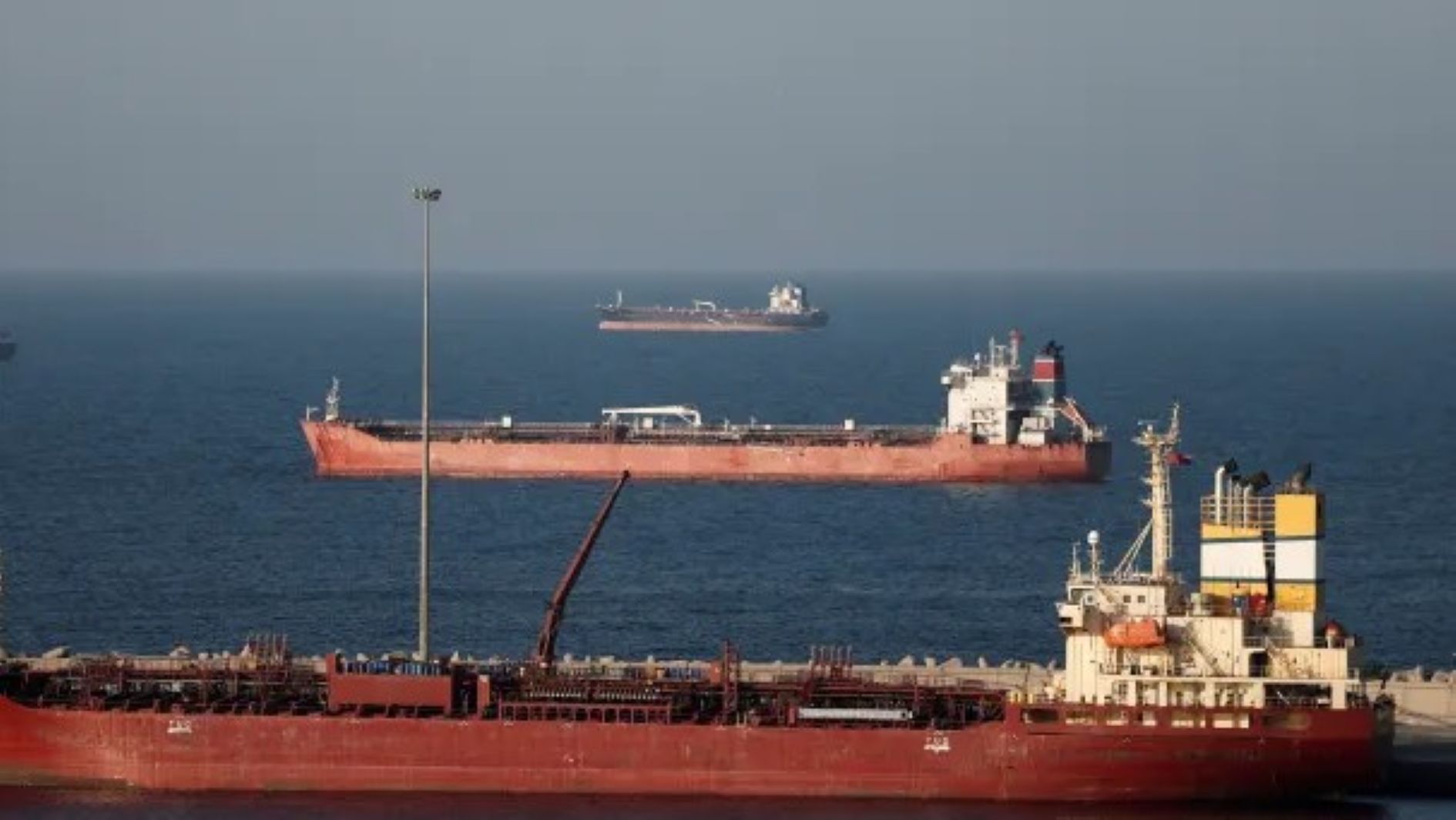
Concerns are rising across global financial and energy markets as analysts warn that disruptions in the Strait of Hormuz could last far longer than many investors initially expected. While hopes for diplomatic progress in the Middle East continue to circulate, some market observers believe the situation could evolve into a prolonged supply challenge capable of sending oil prices sharply higher.
The warning comes at a time when markets are already navigating geopolitical uncertainty, inflation concerns, and fragile economic growth. Any extended disruption in one of the world's most important shipping routes could have far-reaching consequences for energy prices, financial markets, and global supply chains.
The Strait of Hormuz Remains a Critical Global Energy Lifeline
The Strait of Hormuz is one of the most strategically important waterways in the global economy.
Located between the Persian Gulf and the Gulf of Oman, the narrow corridor serves as a major transportation route for energy exports from the Middle East to global markets.
Historically, approximately one-fifth of the world's seaborne oil trade has passed through the route, alongside large volumes of liquefied natural gas shipments.
Major exporters relying heavily on the passage include:
• Saudi Arabia
• Iraq
• United Arab Emirates
• Kuwait
• Qatar
• Iran
Large importing economies throughout Asia and Europe also depend on the uninterrupted flow of shipments through the corridor.
Any meaningful reduction in traffic can quickly affect global energy balances.
Analysts Expect Supply Constraints to Continue
Recent market analysis suggests that commercial traffic levels may remain significantly below normal conditions for an extended period.
Market concerns have increased following military activity involving the United States and Iran and continued uncertainty surrounding regional security conditions.
Although diplomatic discussions continue, some analysts remain skeptical that shipping activity will rapidly return to historical levels.
The concern is not only whether vessels can physically pass through the area, but also whether commercial operators and insurers are willing to take the risk.
Shipping disruptions often involve more than military considerations.
Additional factors can include:
• Higher insurance costs
• Security concerns for crews
• Increased shipping expenses
• Alternative route limitations
• Longer delivery times
Even if the waterway technically remains open, reduced commercial participation alone can tighten supply conditions.
Oil Markets React to Mixed Signals
Crude markets have experienced significant volatility as traders attempt to interpret rapidly changing headlines.
Prices initially surged as geopolitical tensions intensified.
West Texas Intermediate crude moved close to $120 per barrel during the earlier stages of market stress before later pulling back.
Recent trading placed prices closer to the mid-$90 range, although sharp price swings have continued.
The market reaction reflects uncertainty rather than a clear consensus.
Investors are balancing two competing narratives:
• Hopes for diplomatic progress and stabilization
• Fears of prolonged disruptions to energy supplies
The result has been a highly sensitive market environment where developments can rapidly change sentiment.
Why Higher Oil Prices Matter Beyond Energy Markets
A sustained increase in oil prices rarely affects only the energy sector.
Higher crude prices typically spread across multiple areas of the economy because energy costs influence nearly every major industry.
Potential effects include:
• Increased transportation expenses
• Higher airline fuel costs
• Rising manufacturing prices
• Greater shipping costs
• Pressure on household spending
• Stronger inflation trends
When businesses face rising input costs, those increases can eventually reach consumers through higher prices for goods and services.
Central banks closely monitor these developments because energy-driven inflation can complicate monetary policy decisions.
Global Supply Chains Could Face Additional Pressure
Supply chains remain another major concern.
The global economy continues recovering from years of disruptions involving shipping bottlenecks, inflation pressures, labor shortages, and geopolitical uncertainty.
Any prolonged disruption involving a major transportation route could create additional stress.
Industries potentially affected include:
• Manufacturing
• Consumer goods
• Electronics
• Chemicals
• Automotive production
• Aviation and transportation
Longer shipping times and reduced energy availability could increase operating costs across multiple sectors.
The effects may become particularly visible in countries heavily dependent on imported energy resources.
Financial Markets Could Feel the Impact
Rising energy prices also create challenges for broader financial markets.
Equity investors have recently benefited from improving sentiment and strong gains across technology and growth sectors.
However, rapidly increasing oil prices can sometimes weaken market optimism.
Historically, major spikes in crude prices have occasionally contributed to:
• Higher inflation expectations
• Increased interest rate concerns
• Slower consumer spending
• Reduced corporate profitability
• Greater market volatility
If energy prices establish new highs, investors may begin reassessing growth forecasts and corporate earnings expectations.
Markets Continue Watching Diplomatic Developments
For now, investors remain focused on whether diplomatic efforts can reduce tensions and stabilize shipping conditions.
Energy markets have repeatedly shown that geopolitical events can shift rapidly, making forecasts highly uncertain.
Still, the current concern is clear.
If disruptions persist for an extended period and shipping activity remains significantly below historical levels, oil markets could experience renewed upward pressure.
That would not simply affect crude prices. It could influence inflation trends, economic growth expectations, and broader market performance throughout the second half of the year.
As traders, governments, and businesses monitor the situation, the Strait of Hormuz once again finds itself at the center of the global economic conversation.
.webp)
Popular articles



Subscribe to unlock premium content
Hidden Masterpieces Behind Office Doors

Interactive Serialized Podcasts Revolutionize Storytelling

Worldly Indulgence Delivered to Your Door

Hidden Masterpieces Behind Office Doors
Interactive Serialized Podcasts Revolutionize Storytelling
Hidden Masterpieces Behind Office Doors