Nvidia Targets Up to $20–25 Billion Debt Raise in First Major Bond Sale Since the AI Boom Began

Nvidia Targets Up to $20–25 Billion Debt Raise in First Major Bond Sale Since the AI Boom Began
By
Alina Sinclair
Last updated:
June 16, 2026
First Published:
June 16, 2026

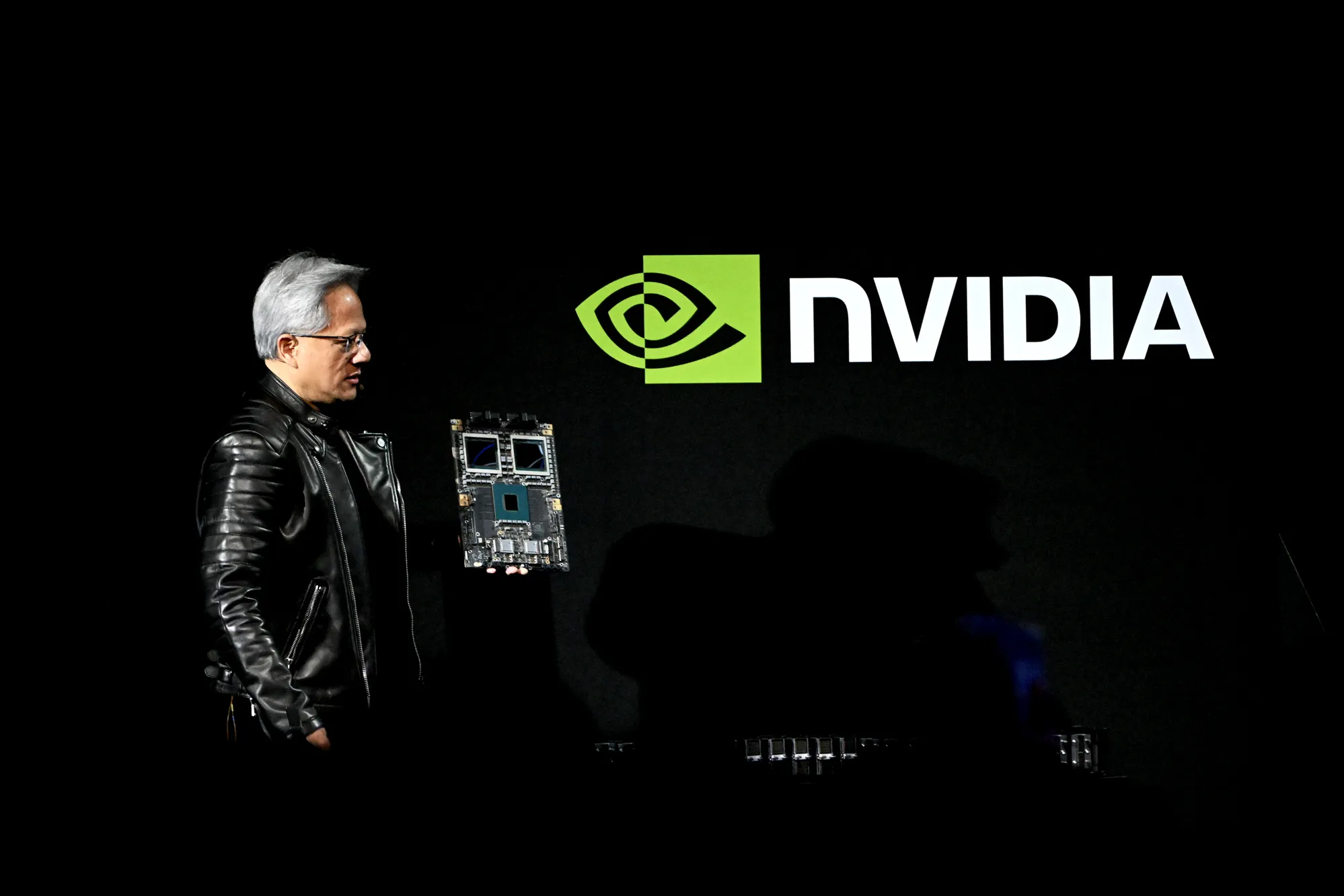
Photo: WIRED
Nvidia is preparing to raise at least $20 billion through its first major corporate bond issuance since the artificial intelligence boom began reshaping the global technology landscape. The move marks a significant return to the debt markets for the semiconductor giant, which has become the central beneficiary of surging demand for AI computing infrastructure.
According to a filing with the U.S. Securities and Exchange Commission, Nvidia plans to issue investment-grade debt, although the document did not specify the final size of the offering. Sources familiar with the transaction indicate the total could ultimately approach $25 billion depending on investor demand.
The bond sale would be Nvidia’s first major debt issuance since 2021, when the company raised $5 billion through corporate notes, a figure that now looks modest compared with its current scale of operations and cash generation.
Nvidia Returns to Debt Markets Amid Explosive AI-Driven Growth
The decision comes at a time when Nvidia has transformed from a fast-growing chipmaker into one of the most valuable companies in the world, largely driven by demand for its graphics processing units (GPUs) that power artificial intelligence models.
Since the launch of ChatGPT in late 2022, Nvidia has been at the center of an unprecedented capital cycle in the technology industry, with hyperscale cloud providers, AI startups, and enterprise customers aggressively purchasing high-performance computing hardware.
This surge in demand has fundamentally reshaped Nvidia’s financial profile. The company reported revenues of approximately $216 billion in fiscal 2026, a massive increase compared with roughly $27 billion in fiscal 2022 before the AI boom fully accelerated.
At the same time, Nvidia’s balance sheet has remained relatively conservative. The company currently carries around $7.5 billion in long-term debt and about $1 billion in short-term obligations, making this new issuance a meaningful step in scaling its capital structure alongside its rapid growth.
Purpose of the $20 Billion Bond Sale
According to an Nvidia spokesperson, the proceeds from the debt issuance will be used for general corporate purposes, including debt repayment and refinancing existing obligations.
However, analysts say the timing and scale of the offering suggest broader strategic objectives tied to Nvidia’s ongoing expansion in AI infrastructure, supply chain investments, and potential long-term capacity commitments across its ecosystem.
Earlier this year, Nvidia indicated it could access up to $25 billion through commercial paper programs, reinforcing expectations that the company is building a flexible financing structure to support sustained demand for its AI chips.
While Nvidia generates substantial free cash flow, the company appears to be optimizing its capital structure to maintain liquidity, manage long-term commitments, and support shareholder returns while continuing to invest heavily in growth areas.
Part of a Wider Wave of AI-Focused Capital Raising
Nvidia’s bond sale is part of a broader trend across the technology sector, where major companies are increasingly tapping debt and equity markets to fund artificial intelligence expansion.
Recent examples include:
- Alphabet raising tens of billions through a combination of equity and debt instruments to fund AI infrastructure investments
- Amazon issuing large-scale debt across U.S. and European markets to support data center and cloud expansion
- Super Micro announcing multi-billion-dollar financing arrangements to secure hardware supply chains for AI servers
This wave of capital raising reflects the massive infrastructure requirements behind AI development, particularly in areas such as data centers, high-performance chips, and cloud computing networks.
Industry estimates suggest that global AI infrastructure spending could reach hundreds of billions of dollars annually over the next decade, making access to capital a key competitive advantage for major technology firms.
Nvidia’s Financial Strength Supports Capital Expansion
Despite issuing new debt, Nvidia remains in a strong financial position compared with most large technology companies.
The company has significantly increased profitability due to surging demand for its AI chips, particularly from cloud hyperscalers and enterprise customers building large-scale AI systems.
Recent financial performance highlights include:
- Free cash flow of approximately $49 billion in the most recent quarter
- A rise from $35 billion in the same period a year earlier
- A shareholder return commitment of roughly 50% of free cash flow
- An $80 billion share repurchase authorization announced earlier this year
- A dividend increase from $0.01 to $0.25 per share
This combination of strong cash generation and aggressive capital returns has given Nvidia flexibility to pursue both shareholder rewards and large-scale financing strategies simultaneously.
From Modest Chipmaker to AI Infrastructure Giant
Nvidia’s transformation over the past several years has been driven by structural changes in computing demand.
Before 2022, the company was already a leading player in gaming GPUs and data center chips, but its growth trajectory changed dramatically after the emergence of generative AI models.
The launch of ChatGPT marked a turning point for the industry, triggering a global race to build large-scale AI systems that require enormous computational power.
As a result, Nvidia’s GPUs have become essential infrastructure for:
- Training large language models
- Running generative AI applications
- Powering cloud-based AI services
- Supporting enterprise AI deployment
- Scaling autonomous systems and robotics research
This demand surge has made Nvidia a critical supplier in the global AI ecosystem, with supply constraints often limiting how quickly customers can scale their operations.
Investor Sentiment Remains Strong Despite Debt Expansion
Nvidia shares rose approximately 3.5% following reports of the bond issuance and are up about 14% year-to-date, reflecting continued investor confidence in the company’s long-term growth trajectory.
Markets appear to interpret the debt issuance not as a sign of financial stress, but as a strategic move to support expansion in a rapidly growing industry where capital intensity is rising sharply.
Analysts note that Nvidia’s ability to raise both equity value and debt capital at scale reflects its dominant position in the AI hardware market and strong creditworthiness.
Strong Cash Flow Enables Dual Strategy of Growth and Returns
One of the most notable aspects of Nvidia’s financial strategy is its ability to simultaneously invest in growth while returning significant capital to shareholders.
The company’s updated capital return framework includes:
- Returning approximately half of free cash flow to shareholders
- Expanding share buyback programs
- Increasing dividend payouts
- Maintaining flexibility for strategic investments
This approach reflects confidence in sustained demand for AI infrastructure while ensuring shareholders continue to benefit from the company’s rapid earnings expansion.
The Bigger Picture
Nvidia’s planned $20–25 billion debt issuance underscores the scale of capital required to support the ongoing artificial intelligence boom. As demand for AI computing infrastructure continues to accelerate, even the largest technology companies are increasingly turning to debt markets to finance expansion.
While Nvidia’s financial position remains exceptionally strong, the move highlights a broader shift in the technology sector, where AI development is driving unprecedented levels of capital investment across chips, cloud computing, and data infrastructure.
In this environment, access to large-scale financing is becoming just as important as technological leadership, and Nvidia is positioning itself to maintain dominance in both.
.webp)
Popular articles



Subscribe to unlock premium content
Why Some People Hire Professional Bystanders to Simulate Social Interaction in Public Spaces
.png)
The $60 Million Obsession with Designer Bonsai Trees

Conquering the Poles in Absolute Luxury

Why Some People Hire Professional Bystanders to Simulate Social Interaction in Public Spaces
The $60 Million Obsession with Designer Bonsai Trees
Why Some People Hire Professional Bystanders to Simulate Social Interaction in Public Spaces