Nvidia Signals Surge in China Demand as H200 AI Chip Production Ramps Up

Nvidia Signals Surge in China Demand as H200 AI Chip Production Ramps Up
By
Rachel Steinberg
Last updated:
January 7, 2026
First Published:
January 7, 2026

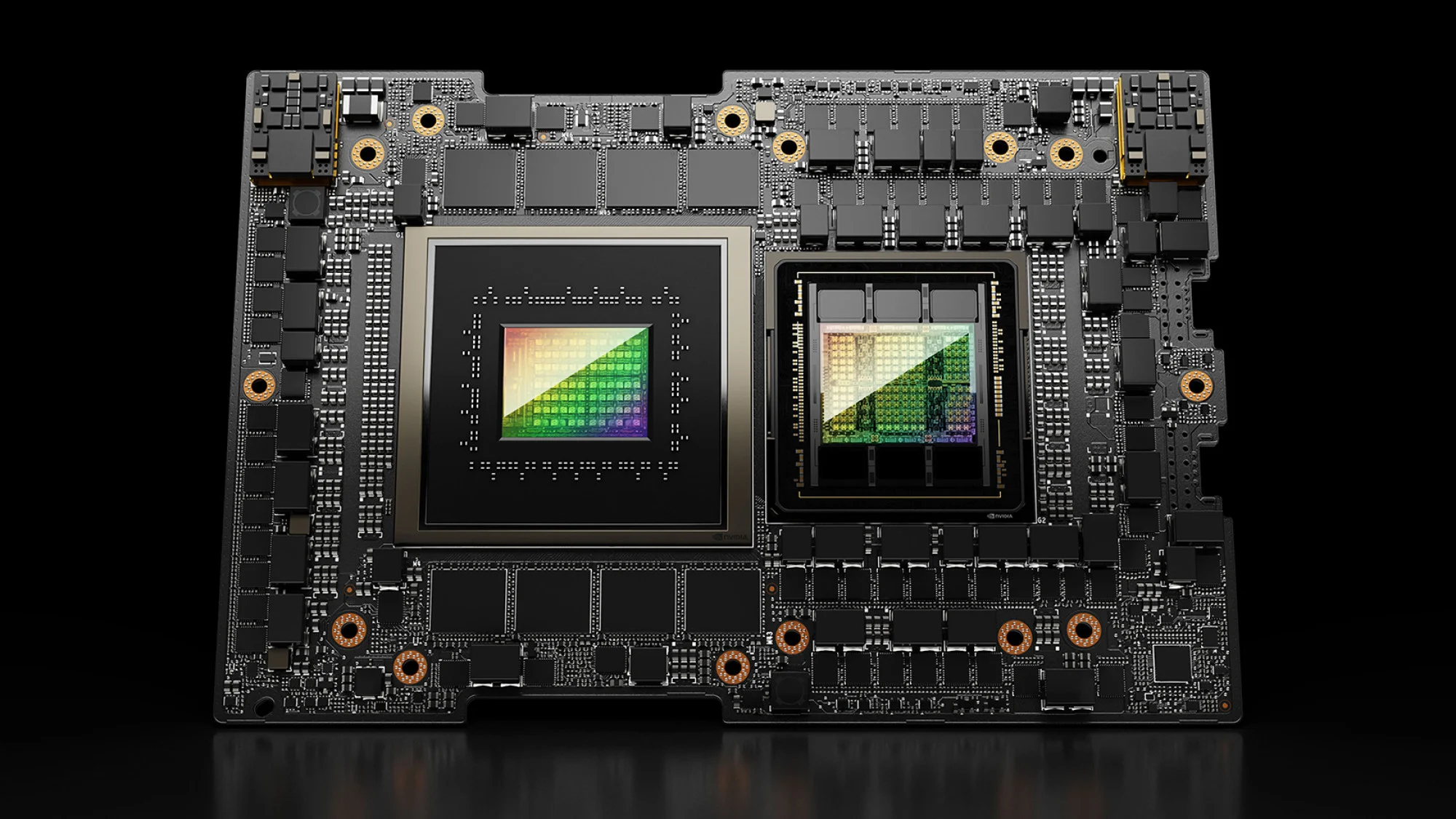
Photo: South China Morning Post
China Demand Reemerges as a Major Growth Driver
Nvidia is seeing a sharp resurgence in demand from Chinese customers for its H200 artificial intelligence chips, according to CEO Jensen Huang, as the company moves closer to resuming large-scale exports to the world’s second-largest economy.
Speaking on Tuesday, Huang said interest from China-based buyers is “very high,” following recent signals from the U.S. government that exports of the H200 chip would be approved under updated conditions. The development marks a potential turning point after months of uncertainty caused by tightening U.S. export controls on advanced AI hardware.
Production Restarts and Supply Chain Reopens
Huang confirmed that Nvidia has already restarted production of the H200 chips and reactivated its supply chain to meet anticipated orders. The company is now finalizing export license details with U.S. regulators, a process that will determine the timing and scale of shipments.
According to Huang, manufacturing lines are fully operational, and chips are already moving through the production pipeline. This signals that Nvidia is preparing for near-term deliveries rather than treating China demand as a long-dated opportunity.
Nvidia’s data center chips are essential infrastructure for training and running large AI models, making them highly sought after by cloud providers, research labs, and technology firms across China.
A $50 Billion Market Still Outside Forecasts
Investors have long viewed China as one of Nvidia’s largest unrealized opportunities. Huang has previously estimated that the Chinese AI chip market alone could be worth as much as $50 billion annually.
Crucially, Nvidia has not included any revenue from renewed China sales in its current financial outlook. Huang reiterated that potential H200 sales would be incremental to the company’s existing projections, including the $500 billion revenue forecast Nvidia issued for the next two years.
That suggests meaningful upside risk to current expectations if export approvals translate into steady purchase orders.
Export Rules Shape the Path Forward
In December, President Donald Trump said Nvidia would be allowed to export the H200 chip to China provided the company pays 25 percent of those sales to the U.S. government. While the H200 is not Nvidia’s most advanced processor, it is only one or two generations behind the company’s cutting-edge offerings and, unlike earlier China-approved models, has not been intentionally throttled to meet regulatory thresholds.
This makes the H200 significantly more attractive to Chinese customers seeking competitive performance for AI training and inference workloads.
At the same time, shipments still require approval from Chinese authorities. Huang indicated that the company does not expect formal announcements from Beijing and instead will gauge regulatory clearance through incoming purchase orders.
There will be no press releases or public declarations, he said, adding that visibility will come directly from customer demand.
Strategic Importance for Nvidia and the AI Race
A return to the Chinese market would strengthen Nvidia’s position at a time when global competition in AI hardware is intensifying. Chinese technology companies are racing to develop domestic large language models and AI platforms, driving sustained demand for high-performance computing infrastructure.
For Nvidia, China represents not only a revenue opportunity but also a strategic foothold in a market that has been partially closed off by geopolitics. Even limited access could materially influence long-term growth, utilization rates, and global market share.
Looking Ahead
Huang signaled confidence that Nvidia is on track to reestablish a commercial presence in China, pending final regulatory steps. While uncertainties remain around export licenses and political conditions, the company’s operational readiness suggests it is positioning itself to move quickly.
“It appears that we’re going to be going back to China,” Huang said, underscoring what could become one of Nvidia’s most consequential growth developments in the next phase of the global AI boom.
.webp)
Popular articles



Subscribe to unlock premium content
Iceland’s Geothermal Revolution

Bali’s Digital Detox Revolution

Step Into the Future of Art
Iceland’s Geothermal Revolution
Bali’s Digital Detox Revolution
Iceland’s Geothermal Revolution