Nvidia Invests $2 Billion in Synopsys to Boost AI and Accelerated Computing Capabilities

Nvidia Invests $2 Billion in Synopsys to Boost AI and Accelerated Computing Capabilities
By
Rachel Steinberg
Last updated:
December 2, 2025
First Published:
December 2, 2025

Strategic Investment and Partnership
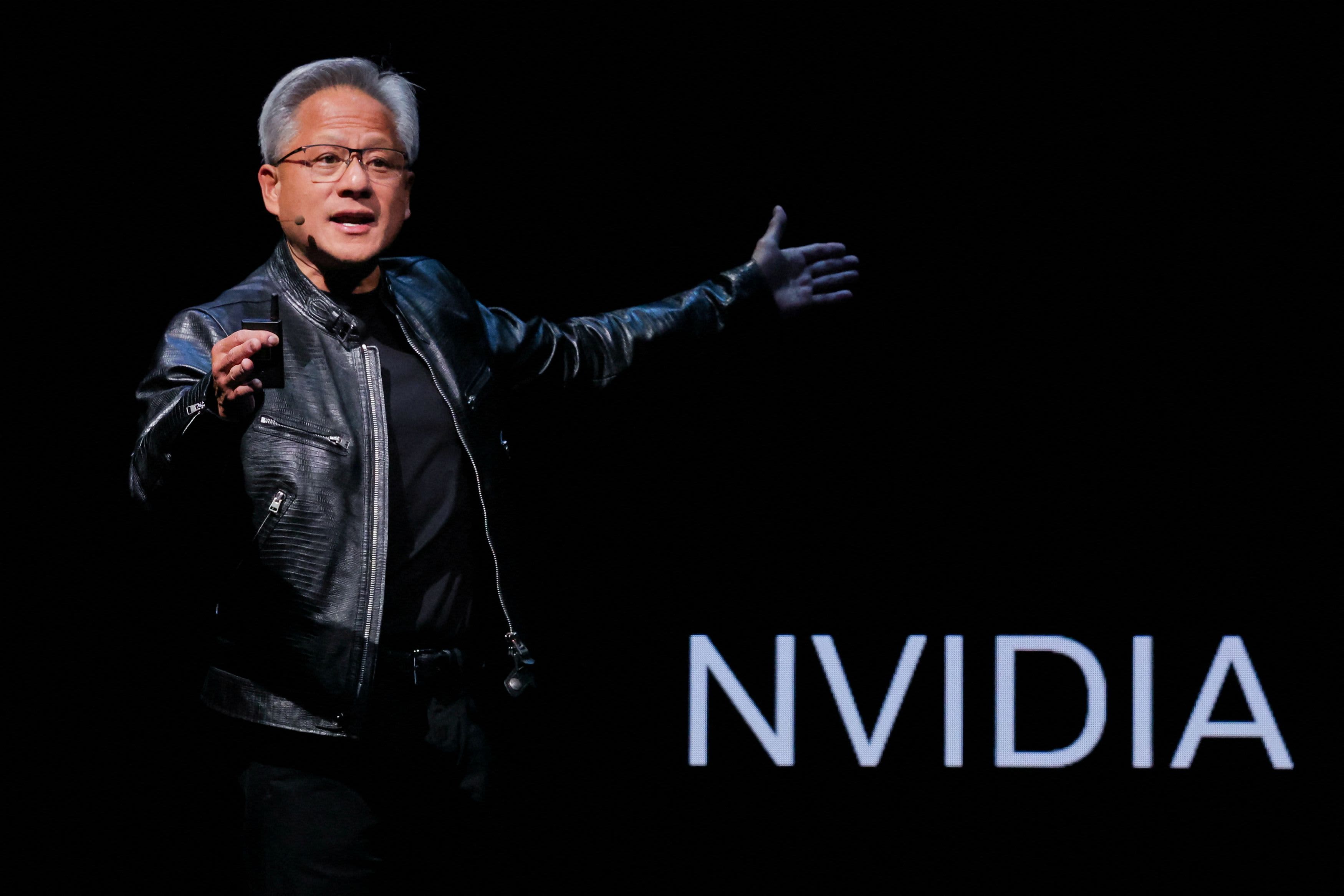
Nvidia announced on Monday that it has acquired $2 billion worth of Synopsys common stock, purchasing shares at $414.79 each, as part of a multiyear partnership to accelerate AI and high-performance computing solutions. The deal builds on the companies’ long-standing relationship and expands joint initiatives in engineering and computing technology.
“This is a huge deal,” Nvidia CEO Jensen Huang told CNBC, emphasizing that the partnership targets one of the most compute-intensive sectors in the world: design and engineering.
Synopsys, known for its electronic design automation and silicon design services, will leverage Nvidia’s GPUs to dramatically speed up workloads that previously required weeks, reducing them to mere hours.
Expanding AI and Accelerated Computing
Under the partnership, Nvidia will assist Synopsys in several key areas:
- Enhancing compute-intensive applications across AI-driven engineering workloads.
- Developing agentic AI engineering tools to streamline complex product designs.
- Expanding cloud access for Synopsys clients.
- Coordinating joint go-to-market strategies to drive adoption.
“This marks a platform shift from classical CPU-based computing to accelerated GPU computing,” Huang said. “While traditional methods will continue to exist, the industry is rapidly moving toward this more powerful, efficient approach.”
Market Impact
Following the announcement, Synopsys shares climbed 4.85%, while Nvidia shares gained 1.65%, reflecting investor optimism about the strategic collaboration and its potential to reshape AI-powered design workflows.
Synopsys CEO Sassine Ghazi highlighted that the partnership would allow clients to dramatically accelerate engineering timelines and improve efficiency in AI product development.
Long-Term Implications
Nvidia has been a primary beneficiary of the AI boom due to its GPU technology, essential for building, training, and running large AI models. By deepening its collaboration with Synopsys, Nvidia is positioning itself at the core of the accelerated computing ecosystem, while Synopsys gains access to GPU-driven infrastructure for more efficient product design.
The partnership is non-exclusive, allowing both companies to continue collaborations with other industry players, ensuring a flexible ecosystem approach. Huang emphasized that Nvidia’s foundation in design tools from Synopsys has been instrumental in building its technology stack and will continue to support innovation in AI and engineering.
.webp)
Popular articles



Subscribe to unlock premium content
Savoring the Streets of Mexico City

Cheese Dreams in the Heart of France

Seoul’s Micro-Coworking Revolution

Savoring the Streets of Mexico City
Cheese Dreams in the Heart of France
Savoring the Streets of Mexico City