Nvidia CEO Jensen Huang Says Wall Street Misread AI’s Impact on Software Industry

Nvidia CEO Jensen Huang Says Wall Street Misread AI’s Impact on Software Industry
By
Calder Monroe
Last updated:
March 2, 2026
First Published:
March 2, 2026

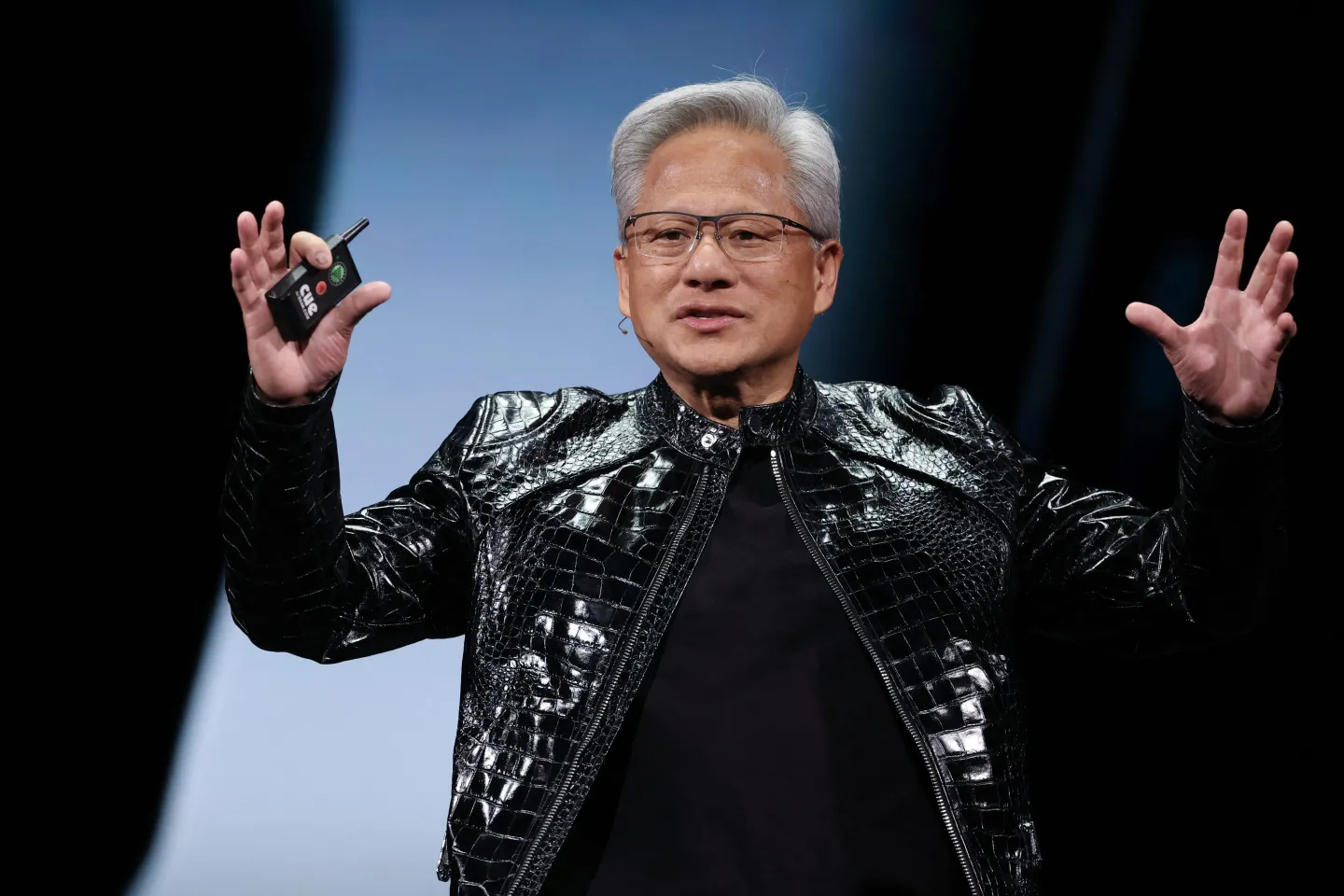
Getty Images
Nvidia CEO Jensen Huang says investors have misunderstood how artificial intelligence will reshape the software landscape, arguing that AI agents will ultimately increase reliance on enterprise software rather than replace it.
Speaking after the company delivered a robust financial outlook, Huang pushed back on the prevailing narrative that generative AI threatens to cannibalize the software industry. Instead, he framed AI as a productivity layer that depends heavily on existing tools and platforms.
AI Agents as Power Users of Software
Huang described agentic AI systems as “tool users,” emphasizing that the next generation of AI will interact with established software ecosystems to perform tasks on behalf of humans. Rather than eliminating enterprise applications, these agents are expected to automate workflows while still relying on platforms for data, logic, and execution.
He pointed to widely used productivity and enterprise tools as examples of systems that will remain essential infrastructure for AI-driven operations. Applications across engineering design, workflow automation, and enterprise resource planning will continue to provide the backbone that AI builds upon.
In this model, AI becomes an interface layer that orchestrates tasks across multiple software environments, enabling organizations to extract more value from tools they already use.
Strong Financial Results Reinforce Demand Narrative
Huang’s comments came shortly after Nvidia reported a sharp surge in revenue, underscoring the strength of AI-driven demand. Fiscal fourth-quarter revenue jumped 73 percent year over year to about $68 billion, exceeding expectations. The company also issued an optimistic outlook for the next quarter, projecting revenue near $78 billion, significantly above consensus forecasts.
The results helped ease concerns that the rapid escalation in spending on AI infrastructure could be nearing a peak. Instead, the guidance suggests continued momentum in data center and AI hardware investments as enterprises race to deploy generative AI capabilities.
Market Anxiety Around Software Valuations
Despite strong demand for AI infrastructure, software stocks have faced pressure amid fears that automation could compress margins and disrupt traditional business models. The broader software and services segment of the S&P 500 has declined significantly this year, reflecting investor uncertainty about long-term growth trajectories.
Huang acknowledged the debate but argued the market reaction has been overly pessimistic. In his view, AI will expand the total addressable market for software by enabling new use cases and increasing productivity, rather than shrinking it.
Diverging Views Among Analysts
Not all market participants share Huang’s optimism. Some investors warn that while leading platforms may benefit, weaker companies could struggle as automation lowers barriers to entry and intensifies competition.
Portfolio managers and analysts note that industries historically experience cycles of overinvestment during major technological shifts, followed by consolidation as winners emerge. The AI boom, they argue, may follow a similar trajectory, with certain segments such as cybersecurity and data infrastructure potentially proving more resilient than others.
How Investors Are Interpreting the Shift
Following Nvidia’s earnings release, the company’s shares rose modestly in extended trading, reflecting confidence in sustained AI demand. Meanwhile, software stocks showed mixed reactions as investors weighed the implications of Huang’s remarks.
The broader takeaway for markets is that AI’s economic impact is likely to be uneven. Companies that successfully integrate AI into their products and workflows may see productivity gains and new revenue streams, while others could face margin compression or strategic disruption.
Outlook for the AI–Software Relationship
Huang’s central argument is that AI will function less as a replacement for software and more as an intelligent layer that amplifies its value. If that thesis proves correct, the next phase of the AI cycle could be defined not by the decline of software companies, but by their transformation.
As enterprises increasingly deploy AI agents across operations, demand for robust platforms, data systems, and workflow tools could grow rather than shrink. For investors and industry leaders alike, the key question is no longer whether AI will change software, but which companies will adapt quickly enough to benefit from the shift.

Popular articles


Subscribe to unlock premium content
London’s Gourmet Playgrounds

From Bean to Buzz in Thailand

The Secret Life of Pop-Up Luxury Restaurants in Paris

London’s Gourmet Playgrounds
From Bean to Buzz in Thailand
London’s Gourmet Playgrounds