Nissan Overhauls Global Strategy with Leaner Lineup and Aggressive AI Driving Expansion

Nissan Overhauls Global Strategy with Leaner Lineup and Aggressive AI Driving Expansion
By
Rachel Steinberg
Last updated:
April 14, 2026
First Published:
April 14, 2026

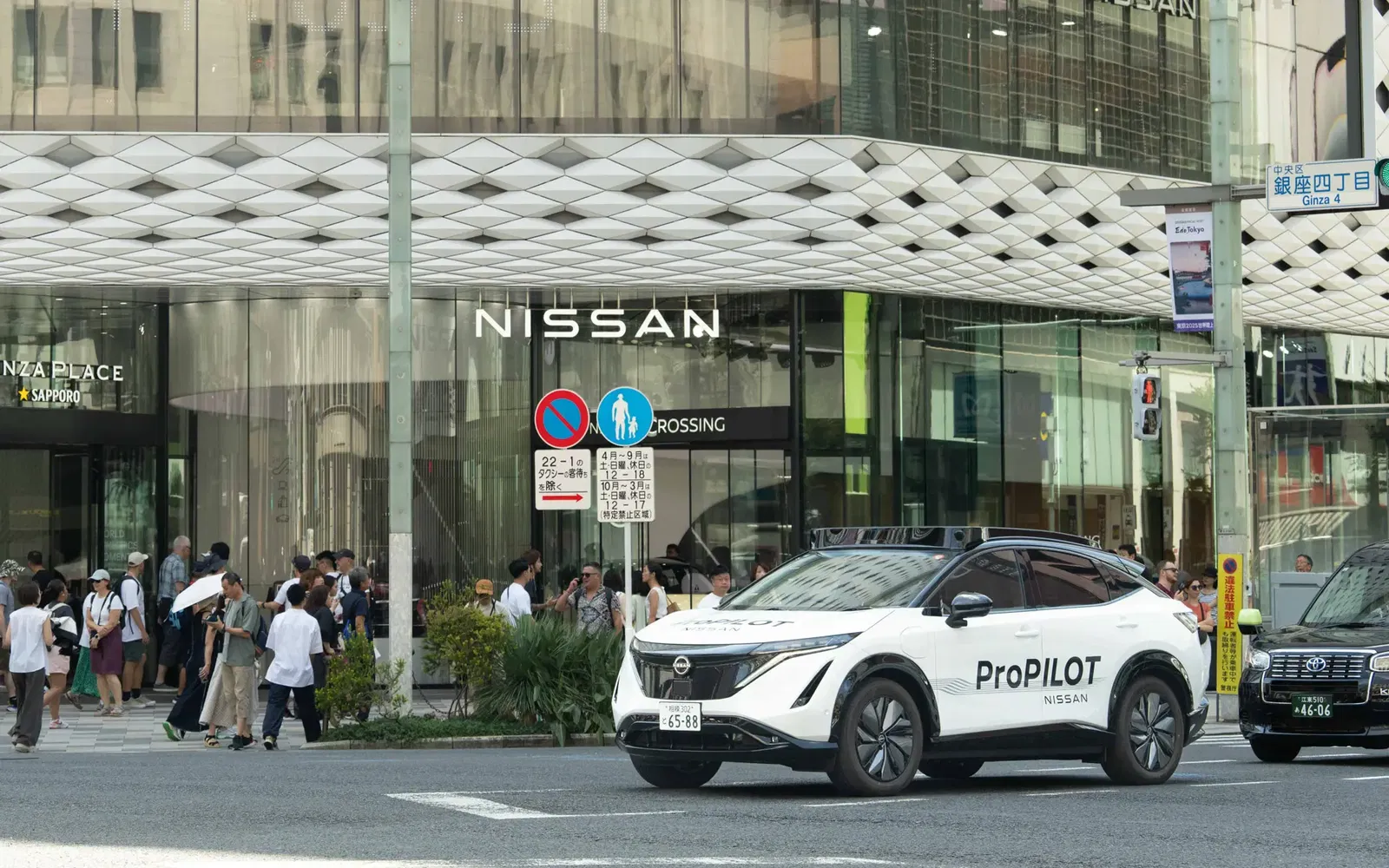
Photo: CarSauce
A Major Strategic Reset for a Legacy Automaker
Nissan Motor is undertaking a sweeping transformation aimed at restoring profitability and long-term competitiveness after years of operational challenges. Central to this strategy is a streamlined product portfolio and a rapid expansion of artificial intelligence-driven vehicle technologies.
The company plans to reduce its global vehicle lineup from 56 models to 45, eliminating underperforming offerings and focusing resources on higher-margin, high-demand segments. This move reflects a broader industry trend where automakers are prioritizing efficiency, scalability, and technology integration over sheer volume.
Scaling AI Across the Vehicle Ecosystem
A key pillar of Nissan’s transformation is its commitment to advanced driving technologies. The company aims to integrate AI-powered driving systems into approximately 90% of its vehicles over the long term.
This includes enhanced driver assistance systems, semi-autonomous capabilities, and eventually full end-to-end autonomous driving in select models. One of the most ambitious targets is the deployment of fully integrated autonomous features in the upcoming Elgrand minivan, expected to reach advanced capability levels by the end of the 2027 financial year.
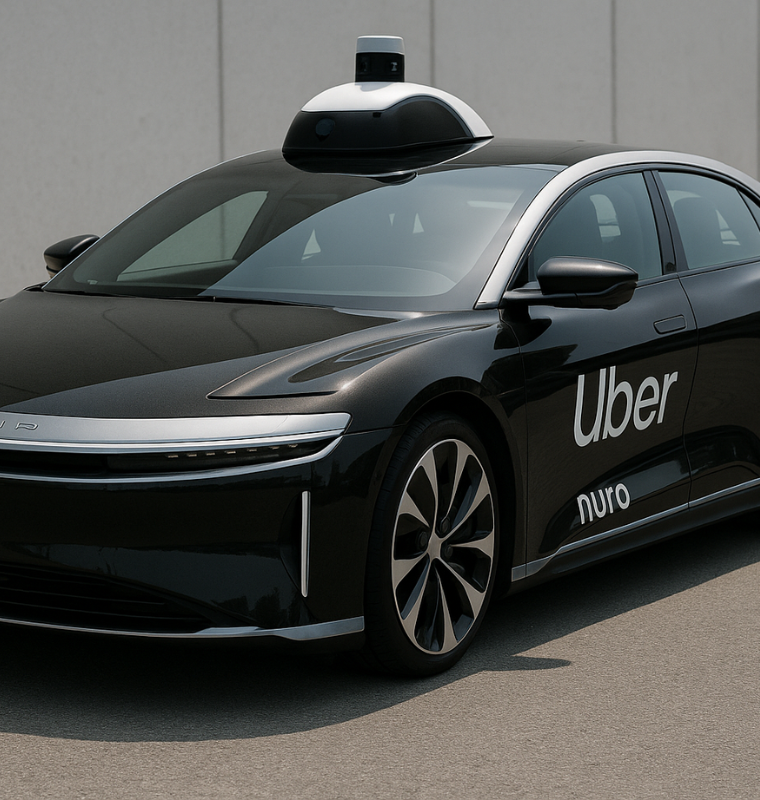
Nissan is also accelerating innovation through partnerships. Collaborations with Uber Technologies and Wayve are focused on developing robotaxi solutions, with a pilot program planned in Tokyo by late 2026.
New Models and Electrification Push
Alongside cutting weaker models, Nissan is refreshing its lineup with new and upgraded vehicles. The company has introduced a hybrid version of its popular Rogue SUV, known as the X-Trail in Japan, as well as an all-electric version of the compact Juke.
These launches align with the global shift toward electrification and hybridization, as automakers respond to tightening emissions regulations and changing consumer preferences. Nissan is also expanding its powertrain options across its lineup, ensuring flexibility in both developed and emerging markets.
Ambitious Global Sales Targets
Nissan has outlined clear volume goals as part of its long-term roadmap. By the 2030 financial year, the company aims to achieve annual sales of 1 million vehicles each in the United States and China, two of the world’s most competitive automotive markets.
In Japan, Nissan is targeting annual sales of 550,000 units, supported by new product introductions, including a compact car series expected to launch from 2028.
To support these ambitions, the company is increasing localization efforts. In the United States, Nissan plans to raise its local production rate from around 60% to 80% over time, reducing reliance on imports and improving cost efficiency.
Strengthening Global Manufacturing and Exports
Nissan is also reshaping its global production and export strategy. China will play a more prominent role as an export hub, with vehicles like the N7 electric sedan being shipped to regions such as Latin America and Southeast Asia.
Additionally, models like the Frontier Pro pickup truck will be exported to the Middle East and other international markets, reinforcing Nissan’s presence in high-growth regions.
This shift reflects a more integrated global supply chain strategy, where production hubs are optimized for both domestic demand and international distribution.
Cost-Cutting and Operational Efficiency
The transformation plan includes significant cost-cutting measures. Nissan is reducing its global workforce by approximately 15% and scaling back its manufacturing footprint to improve operational efficiency.
These steps are part of a broader turnaround strategy led by CEO Ivan Espinosa, who has emphasized profitability and disciplined growth over expansion at any cost.
The company is also investing strategically in high-growth areas, balancing cost reductions with targeted reinvestment in technology, product development, and brand positioning.
Reviving the Infiniti Brand
Nissan is placing renewed focus on its premium division, Infiniti, with plans to introduce new models and strengthen its position in the luxury vehicle segment.
This is a critical move, as higher-end vehicles typically offer better margins and brand prestige. Revitalizing Infiniti could play a key role in improving Nissan’s overall financial performance and market perception.
Market Performance and Outlook
Despite the ambitious strategy, Nissan’s stock performance remains mixed. Shares were recently up around 0.7% during trading, underperforming the broader Nikkei 225, which gained approximately 2.4% on the same day.
However, there are signs of recovery. The company previously reported a surprise quarterly profit and significantly narrowed its projected full-year loss, indicating that early stages of the turnaround may be gaining traction.
Nissan is expected to provide further updates when it releases its full-year financial results on May 13, along with additional details on its long-term strategic direction.
The Road Ahead
Nissan’s latest strategy represents a decisive shift toward a leaner, more technology-driven future. By cutting excess complexity, investing in AI and electrification, and focusing on key global markets, the company is positioning itself to compete more effectively in an industry undergoing rapid transformation.
Success will depend on execution. If Nissan can deliver on its targets while maintaining innovation and cost discipline, it has the potential to reestablish itself as a major force in the global automotive landscape.
.webp)
Popular articles



Subscribe to unlock premium content
Namibia Is Quietly Building the Future of Ultra Remote Eco Luxury
.png)
Colombia’s Coffee Regions Are Becoming Luxury Travel Destinations Hidden in the Highlands

Chile’s Desert Skies Are Becoming the World’s Most Exclusive Destination

Namibia Is Quietly Building the Future of Ultra Remote Eco Luxury
Colombia’s Coffee Regions Are Becoming Luxury Travel Destinations Hidden in the Highlands
Namibia Is Quietly Building the Future of Ultra Remote Eco Luxury