Nike to Slash 775 U.S. Distribution Jobs as Automation Push Intensifies

Nike to Slash 775 U.S. Distribution Jobs as Automation Push Intensifies
By
Leah Rosenfeld
Last updated:
January 28, 2026
First Published:
January 28, 2026

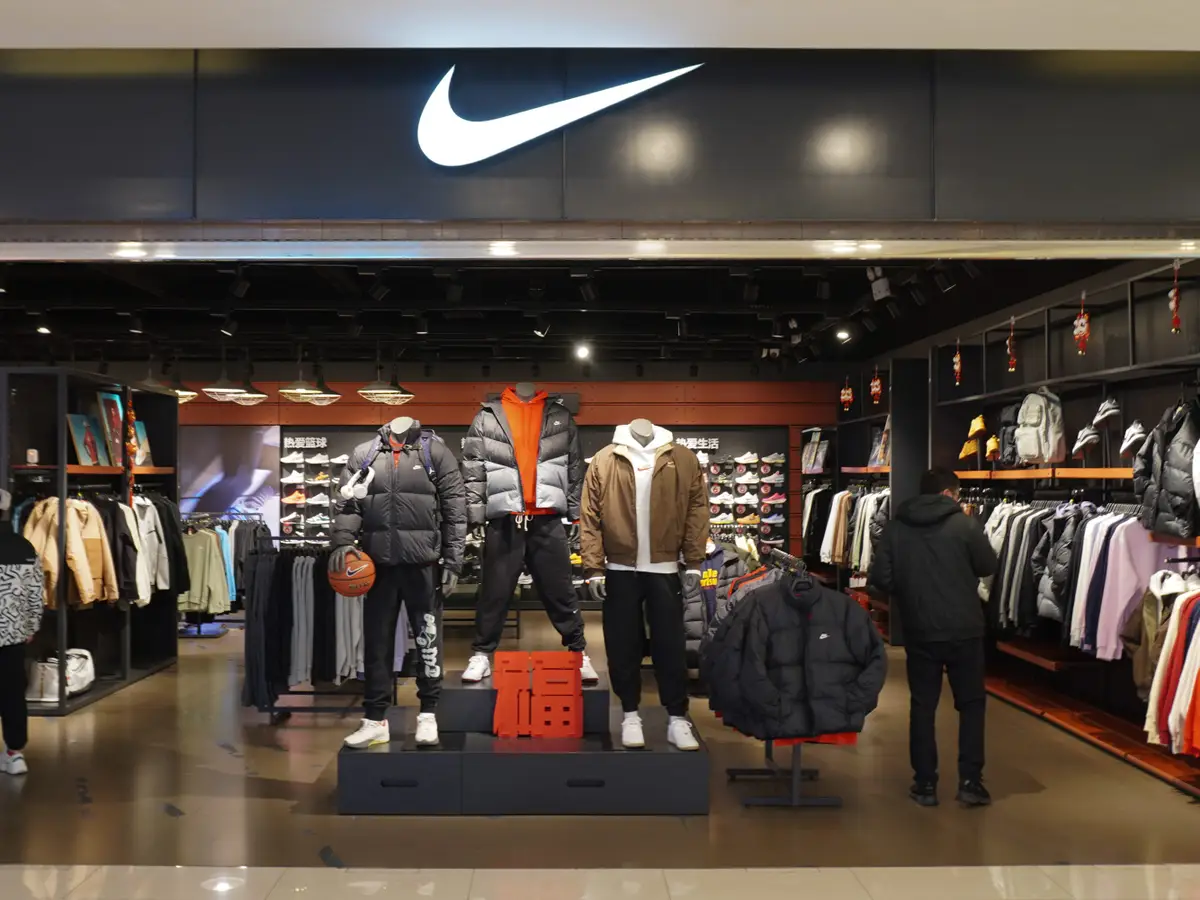
Photo: Business Insider
Nike is cutting 775 employees across its U.S. distribution network as part of a broader effort to streamline operations, increase automation, and strengthen its profit margins. The reductions primarily affect staff at major distribution centers in Tennessee and Mississippi, sources familiar with the matter told CNBC.
The layoffs follow last summer’s corporate reduction of roughly 1,000 positions, signaling a continued shift toward a leaner, tech-driven supply chain. In a statement, Nike emphasized that the move is aimed at “reducing complexity, improving flexibility, and building a more responsive, resilient, responsible, and efficient operation.”
Automation and Supply Chain Strategy
Nike is accelerating its adoption of advanced technologies, including robotics and AI, within its warehouse operations. While the company did not specify how many roles will be replaced directly by automation, it highlighted that investment in technology is intended to support faster order fulfillment and a more adaptable supply chain.
“We’re taking steps to strengthen and streamline our operations so we can move faster, operate with greater discipline, and better serve athletes and consumers,” Nike said. “We are sharpening our supply chain footprint, accelerating the use of advanced technology and automation, and investing in the skills our teams need for the future.”
The move mirrors broader trends in corporate America, where distribution and logistics roles are increasingly impacted by technology. For example, UPS announced plans last year to cut 48,000 positions as automated sorting systems and robotics expanded across its facilities.
Context Behind the Job Cuts
Nike’s distribution network grew substantially during the tenure of former CEO John Donahoe, who emphasized direct-to-consumer sales through Nike stores and the company website. This expansion increased staffing levels in warehouses, which now exceed the volume needed to support operations efficiently.
Under current CEO Elliott Hill, Nike is shifting strategy to re-engage wholesale partners, reduce stale inventory, and prioritize innovation. The company has also been working to stabilize sales in key markets, including China, where growth has slowed.
In its fiscal second-quarter earnings report in December, Nike reported a 32% drop in net income, driven by tariffs, costs tied to the turnaround, and market slowdowns abroad. The layoffs are a direct response to these financial pressures and the need to achieve long-term profitable growth.
Economic and Industry Implications
While Nike did not disclose total U.S. distribution employment, the reductions underscore the growing impact of automation on warehouse jobs. Industry analysts predict that as major retailers continue to implement robotics, AI, and other technology solutions, similar workforce adjustments are likely across the sector.
For affected employees, Nike has indicated it will provide transition support, including potential retraining and upskilling programs, aligning with the company’s stated focus on preparing its workforce for a tech-enhanced future.
Nike’s latest moves reflect the balancing act faced by legacy retailers: investing in technology and efficiency while managing workforce transitions and maintaining operational agility. The 775 layoffs mark a significant step in the company’s ongoing supply chain transformation and pursuit of sustainable, long-term profitability.

Popular articles


Subscribe to unlock premium content
Dining Beneath the Waves

The $45 Million Glow-in-the-Dark Indoor Garden Revolution

Stars in the Palm of Your Hand

Dining Beneath the Waves
The $45 Million Glow-in-the-Dark Indoor Garden Revolution
Dining Beneath the Waves