Nike Stock Rallies as Top Executives Buy In After Prolonged Slump

Nike Stock Rallies as Top Executives Buy In After Prolonged Slump
By
Rachel Steinberg
Last updated:
January 1, 2026
First Published:
January 1, 2026

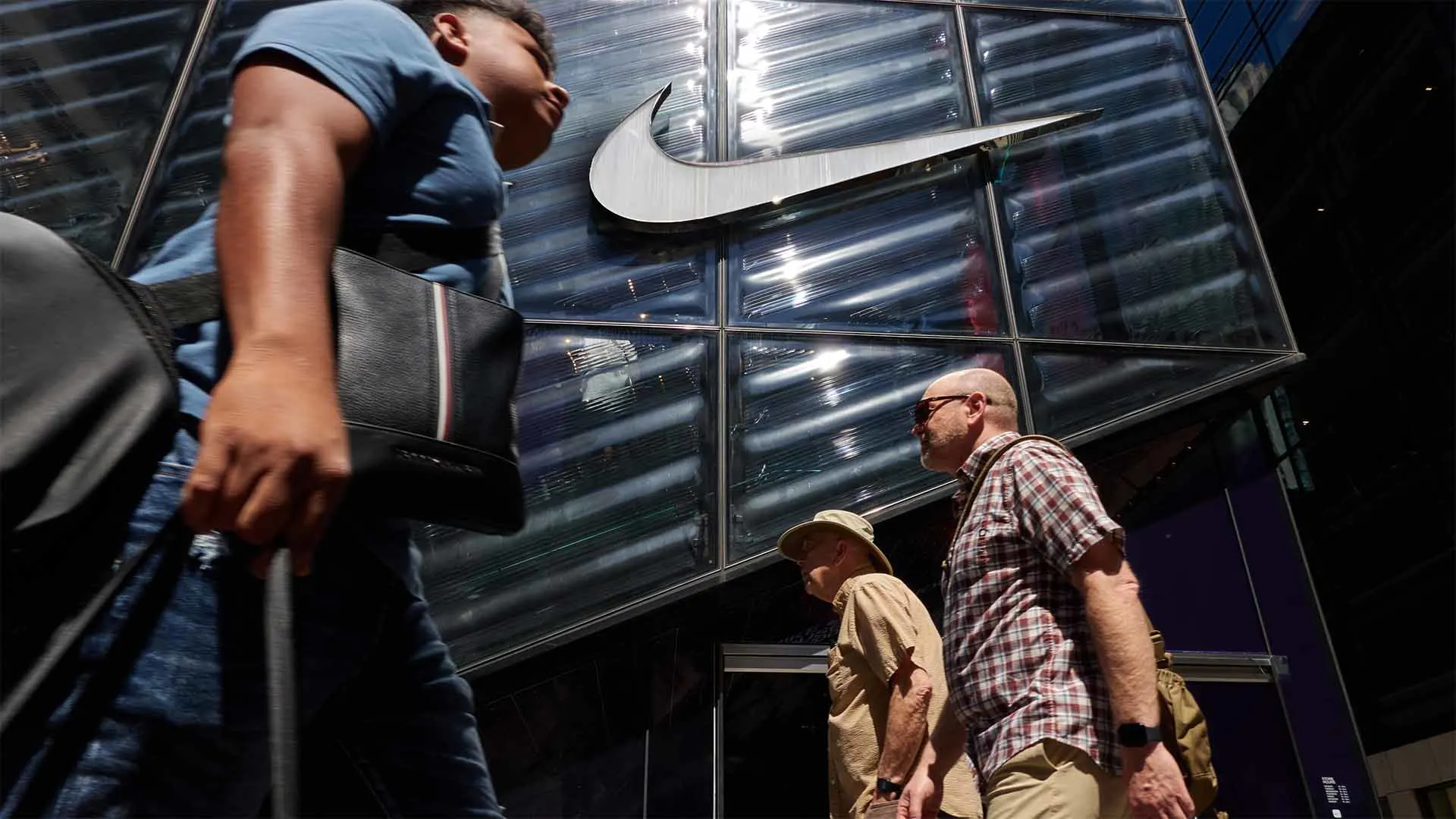
Photo: Inc. Magazine
Insider Buying Sparks Renewed Investor Interest
Nike shares moved sharply higher after senior insiders stepped in to buy stock near the end of a difficult year for the athletic apparel giant. The insider purchases helped lift shares by roughly 4 percent in midweek trading, offering a rare positive catalyst after prolonged weakness in the company’s stock price.
The buying activity comes as Nike attempts to reset investor sentiment following multiple years of underperformance and operational headwinds across key global markets.
CEO and Board Members Increase Their Stakes
Among the most notable buyers was Nike CEO Elliott Hill, who acquired approximately 16,400 shares in a transaction valued at around $1 million. The purchase increased his personal stake by more than 7 percent, reinforcing his public commitment to the company’s long-term turnaround strategy after taking the helm last year.
Apple CEO Tim Cook, who serves as a director on Nike’s board, also made a significant move. Cook purchased close to 50,000 shares, increasing his Nike holdings by roughly 90 percent. Such a sizable increase from a high-profile board member drew particular attention from investors, as insider buying at this scale is often interpreted as a strong vote of confidence.
Board member Robert Holmes Swan, former CEO of eBay and Intel, added roughly 8,700 shares, expanding his position by about 24 percent. Collectively, the insider activity marked one of the most notable periods of executive buying at Nike in recent years.
A Stock Under Pressure for Years
Nike’s insider purchases come against the backdrop of a prolonged stock market downturn. Shares are down roughly 15 to 19 percent in 2025 alone, placing the company on track for its fourth consecutive year of negative returns.
Over a longer horizon, the picture is even more challenging. Nike stock has lost nearly half of its value over the past three years, significantly underperforming broader market indices and many global consumer discretionary peers.
This extended decline has tested investor patience and raised questions about Nike’s growth trajectory in an increasingly competitive and price-sensitive global apparel market.
Operational Headwinds Continue to Weigh
Nike’s struggles have been driven by a combination of macroeconomic and company-specific challenges. Sales momentum in China has remained weak, pressured by slower consumer spending and intense competition from domestic brands. At the same time, tariffs and higher input costs have weighed on margins, complicating efforts to stabilize profitability.
The company has also faced inventory management issues and shifting consumer preferences, forcing Nike to recalibrate its product mix and distribution strategy. Management has acknowledged these challenges while positioning the current period as a transition phase rather than a structural decline.
Turnaround Narrative Takes Shape
CEO Elliott Hill has pitched a multi-year turnaround focused on product innovation, tighter cost controls, and renewed emphasis on Nike’s core performance categories. The strategy also includes refining relationships with wholesale partners and strengthening direct-to-consumer channels, particularly in North America and key international markets.
Insider buying is often viewed as a tangible signal that leadership believes the worst may already be reflected in the stock price. While it does not guarantee a recovery, it suggests internal confidence in the company’s direction and valuation.
Wall Street Sees Rebound Potential
Despite recent struggles, Wall Street sentiment toward Nike remains broadly constructive. According to aggregated analyst data, the average rating on the stock is a buy, with price targets implying upside of roughly 20 to 21 percent over the next 12 months.
Analysts point to Nike’s global brand strength, scale advantages, and balance sheet resilience as key factors supporting a potential rebound if execution improves and macro pressures ease.
For now, insider buying has provided a short-term boost and renewed attention, but the sustainability of any rally will depend on whether Nike can translate strategic plans into measurable improvements in sales growth and profitability.
.webp)
Popular articles



Subscribe to unlock premium content
Pedal in Style in Amsterdam

From Bean to Boutique: Ghana’s Cocoa Revolution

Green Escapes in the Heart of London

Pedal in Style in Amsterdam
From Bean to Boutique: Ghana’s Cocoa Revolution
Pedal in Style in Amsterdam