New York Governor Halts Commercial Robotaxi Expansion Outside NYC, Challenging Waymo’s Growth Plans

New York Governor Halts Commercial Robotaxi Expansion Outside NYC, Challenging Waymo’s Growth Plans
By
Rachel Steinberg
Last updated:
February 20, 2026
First Published:
February 20, 2026


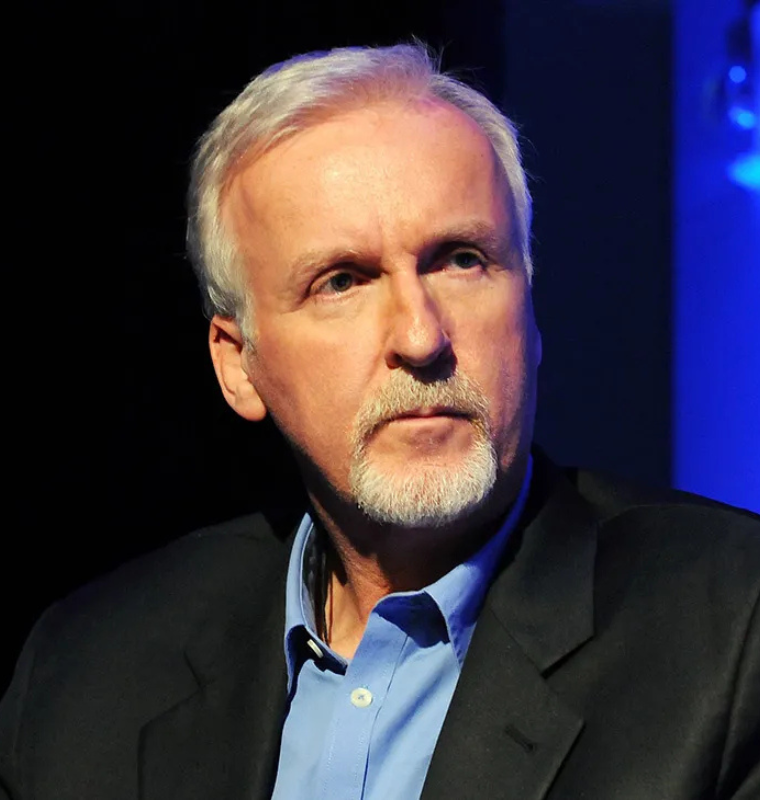
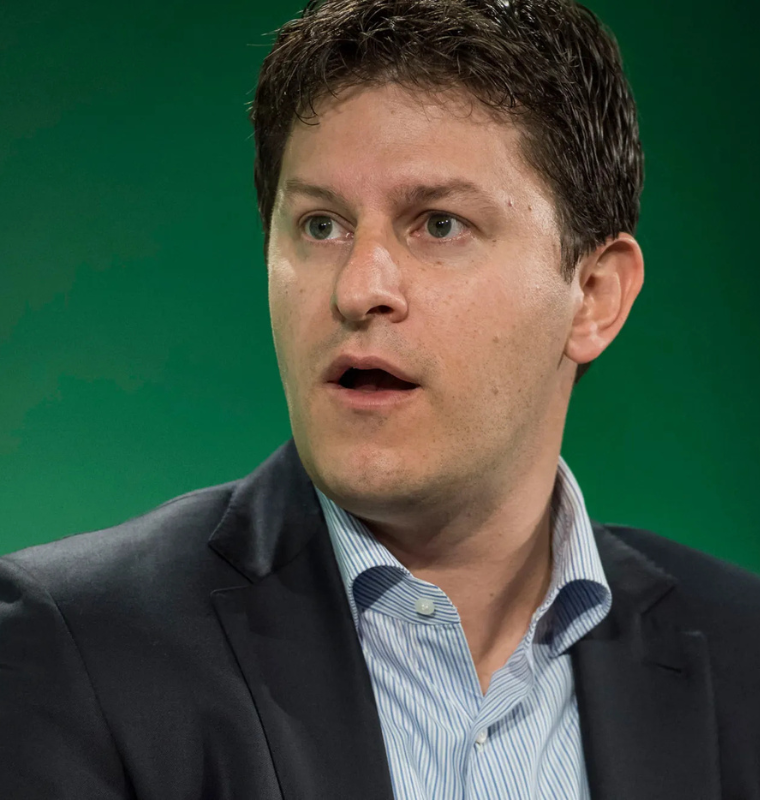
Photo: Bloomberg.com
New York Governor Kathy Hochul has officially withdrawn her proposal to allow commercial robotaxi operations in regions of the state beyond New York City, dealing a significant setback to Alphabet-owned Waymo, which had aimed to expand its autonomous ride-hailing services to upstate cities such as Buffalo and Rochester.
The move reflects mounting resistance from labor unions, rideshare drivers, and transit workers, who raised alarms over safety risks and potential job losses if fully driverless vehicles entered the market.
Governor Hochul Pulls the Plug
“Based on conversations with stakeholders, including the legislature, it was clear that the support was not there to advance this proposal,” said Sean Butler, a spokesperson for Hochul. The decision reverses plans initially unveiled in her State of the State address last month, which had outlined a framework for limited commercial deployment of robotaxis outside New York City, contingent on local support and strict safety standards.
Hochul’s office noted that the withdrawal does not affect existing Waymo testing within New York City, where the company has operated a handful of autonomous vehicles with human safety drivers in Manhattan and downtown Brooklyn under permits initially issued in August by former Mayor Eric Adams. Those permits have been extended through March, allowing Waymo to continue controlled operations within the city limits.
Opposition From Labor and Drivers
The proposal encountered sharp pushback from labor organizations. Taxi Workers Alliance, representing over 28,000 yellow cab, Uber, and Lyft drivers, welcomed Hochul’s decision. Executive Director Bhairavi Desai said the governor made a “sensible decision,” criticizing Waymo’s plans to expand outside NYC as a tactic to “divide and conquer” existing driver-led advocacy efforts.
Union concerns centered on both safety and employment impacts, highlighting the risk of job displacement in a sector that employs tens of thousands of drivers across the state. Transit workers and local rideshare operators echoed similar warnings, emphasizing the need to maintain a balance between innovation and public safety.
Waymo’s Strategic Outlook
Waymo expressed disappointment but remained committed to pursuing New York expansion in collaboration with lawmakers. The company currently provides approximately 400,000 weekly rides across U.S. markets, including San Francisco, Los Angeles, Phoenix, Austin, Atlanta, and Miami, and is preparing to launch driverless services in new cities such as Dallas, Denver, Nashville, Orlando, and Washington, D.C. Plans are also underway for Waymo’s first international market in London.
A company spokesperson emphasized the importance of a “collaborative approach that prioritizes transparency and public safety” while continuing to engage with legislators to find a workable path forward.
Broader Context in the Robotaxi Industry
Waymo faces competition from several other autonomous vehicle operators. Tesla and Amazon-owned Zoox are testing driverless systems in the U.S., though they do not yet offer widespread commercial ride-hailing. Chinese companies, including Baidu-owned Apollo Go and WeRide, have been expanding more aggressively abroad.
Recent safety incidents have heightened scrutiny on Waymo’s operations. In Santa Monica, California, one of its driverless vehicles struck a child near an elementary school, prompting an investigation by the National Highway Traffic Safety Administration. Separately, in Los Angeles, a Waymo Ojai vehicle operated manually ran through a one-way street near Dodger Stadium, underscoring the ongoing operational challenges of autonomous vehicles.
The Road Ahead
While Hochul’s decision delays Waymo’s plans for upstate New York, the company’s continued testing in New York City and expansion to other U.S. cities demonstrates that the robotaxi sector remains on an ambitious growth trajectory. However, regulatory hurdles, labor opposition, and public safety considerations will continue to shape the pace and scope of autonomous ride-hailing adoption across the country.

Popular articles


Subscribe to unlock premium content
Mexico’s Nearshoring Revolution
Carbon Markets Take Flight in Singapore
The Airport Retail Boom
Mexico’s Nearshoring Revolution
Carbon Markets Take Flight in Singapore
Mexico’s Nearshoring Revolution
.png)