Nations Accelerate Critical Minerals Stockpiling as Strategic Resource Race Intensifies

Nations Accelerate Critical Minerals Stockpiling as Strategic Resource Race Intensifies
By
Rachel Steinberg
Last updated:
February 25, 2026
First Published:
February 25, 2026

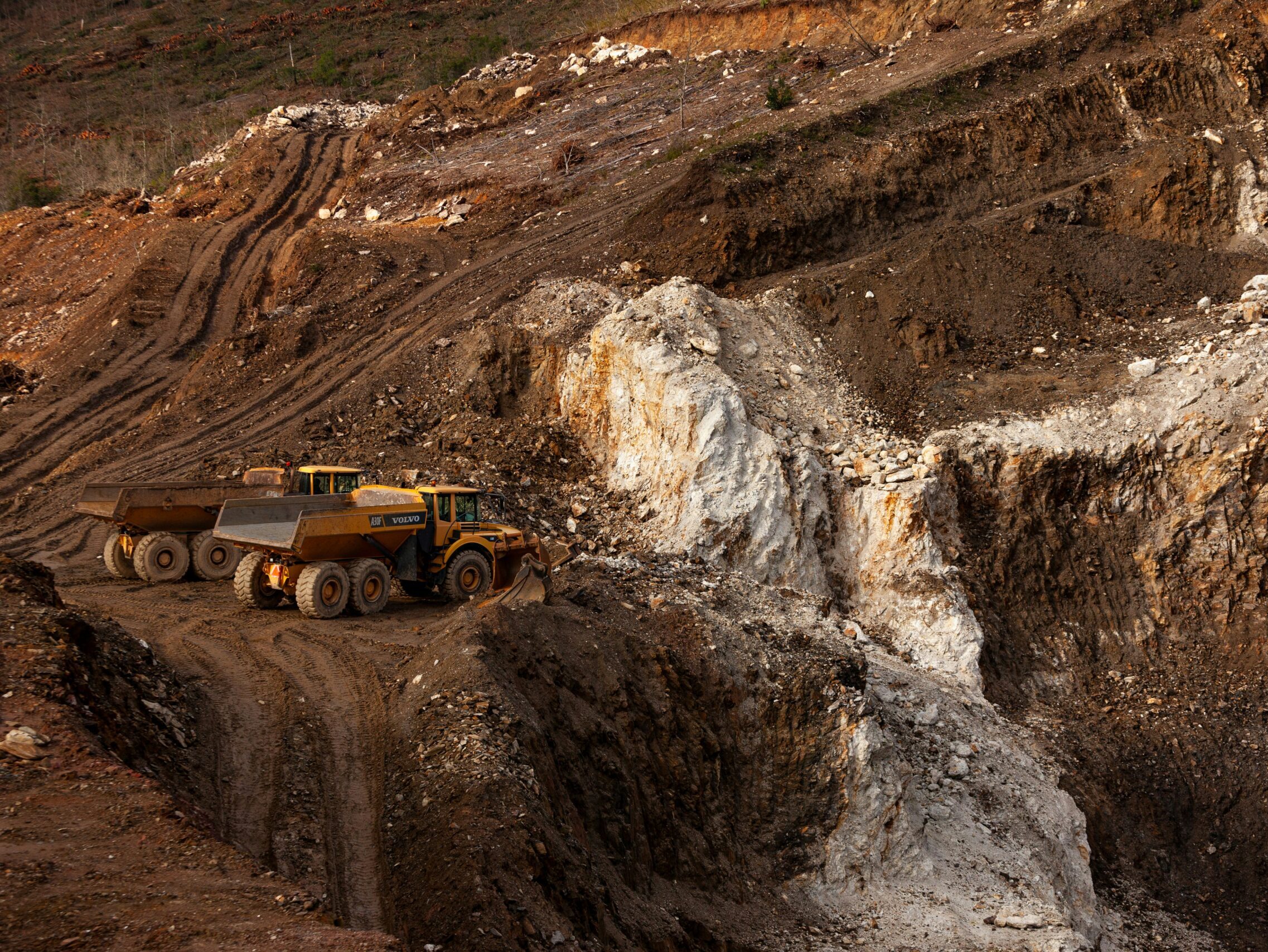
Photo: Atlantic Council
A New Global Scramble for Strategic Resources
A powerful shift is underway across the global economy as governments move aggressively to secure supplies of critical minerals — the metals that underpin everything from electric vehicles and semiconductors to defense systems and advanced manufacturing. What was once a niche policy area has evolved into a central pillar of economic strategy, reflecting rising geopolitical tensions and the growing importance of resilient supply chains.
Analysts say the latest wave of stockpiling is broader and more coordinated than previous commodity cycles, with policymakers viewing mineral access not merely as a commercial issue but as a matter of national security.
Massive Stockpiles and Strategic Programs Take Shape
In the United States, officials have proposed a roughly $12 billion strategic reserve known as Project Vault, designed to build inventories of rare earth elements, battery metals and other industrial inputs critical for electrification and defense readiness. The initiative complements programs such as FORGE and Pax Silica, which focus on pricing coordination and safeguarding supply chains linked to emerging technologies like artificial intelligence.
Policy researchers at Chatham House note that metals and minerals are now the most visible frontier of government stockpiling, highlighting a decisive shift toward proactive supply security rather than reactive crisis management.
Asia-Pacific and Europe Expand Their Buffers
Several major economies are pursuing similar strategies.
- Australia has unveiled an $800 million reserve prioritizing antimony, gallium and rare earths.
- The European Union is advancing a joint raw-materials stockpile under its RESourceEU framework, with large member states expected to lead procurement.
- South Korea has committed roughly $172 million to expand inventories and storage infrastructure.
Meanwhile, India and Brazil have deepened cooperation agreements to diversify sourcing and reduce dependence on single-country supply chains, particularly for materials vital to clean energy and defense technologies.
The Rise of “Resource Nationalism”
Market observers increasingly describe the trend as the emergence of a new era of resource nationalism — a policy approach where governments actively manage supply access to protect domestic industries. Analysts at StoneX say the shift reflects growing recognition that supply disruptions can have far-reaching economic consequences.
Structural challenges reinforce this mindset. Mining projects often require a decade or more to come online, permitting timelines are lengthy, and processing capacity remains geographically concentrated. This means that even during periods of high prices, supply responses are slow, making inventories themselves a strategic tool rather than merely an emergency buffer.
China’s Dominance Shapes Global Strategy
A major driver of the current push is the dominant position of China in refining and processing many critical minerals, particularly rare earth elements. Export controls introduced in recent years highlighted the vulnerability of downstream industries worldwide, from automotive manufacturing to aerospace and semiconductor production.
The International Energy Agency has repeatedly warned that the concentration of supply chains poses systemic risks, urging countries to diversify sourcing and build strategic reserves to mitigate disruptions.
From Crisis Reserves to Industrial Policy Tools
Historically, commodity stockpiles were designed primarily to cushion short-term shocks such as natural disasters or price spikes. Today’s initiatives, however, are more closely tied to long-term industrial planning, energy transition goals and geopolitical risk management.
Economists argue that the current cycle differs fundamentally from past commodity booms because policy decisions — not just market forces — are shaping demand patterns. This includes government incentives for clean energy, defense spending increases and national strategies to secure technology supply chains.
Investment banks such as Goldman Sachs have characterized the surge in demand for industrial metals as a form of “insurance demand,” reflecting governments’ willingness to pay a premium for supply certainty.
Outlook: Early Stages of a Structural Shift
Most analysts believe the stockpiling trend is still in its early phases. As energy transition projects scale up and geopolitical competition intensifies, governments are expected to expand reserves further, particularly for lithium, cobalt, nickel and rare earths.
The broader implication is a lasting transformation in how commodities are viewed: not simply as tradable goods but as strategic assets embedded in national security frameworks. As countries increasingly treat supply chains as critical infrastructure, the balance between cooperation and competition in global resource markets will likely define the next decade of industrial policy.

Popular articles


Subscribe to unlock premium content
Minimalism in Motion

Custom Glow in South Korea

Revving Up Revenue with Young Luxury Buyers

Minimalism in Motion
Custom Glow in South Korea
Minimalism in Motion