Millions of Student Loan Borrowers Remain in Defunct SAVE Plan — Here’s What It Means for Their Debt

Millions of Student Loan Borrowers Remain in Defunct SAVE Plan — Here’s What It Means for Their Debt
By
Augusta Parker
Last updated:
March 26, 2026
First Published:
April 25, 2026

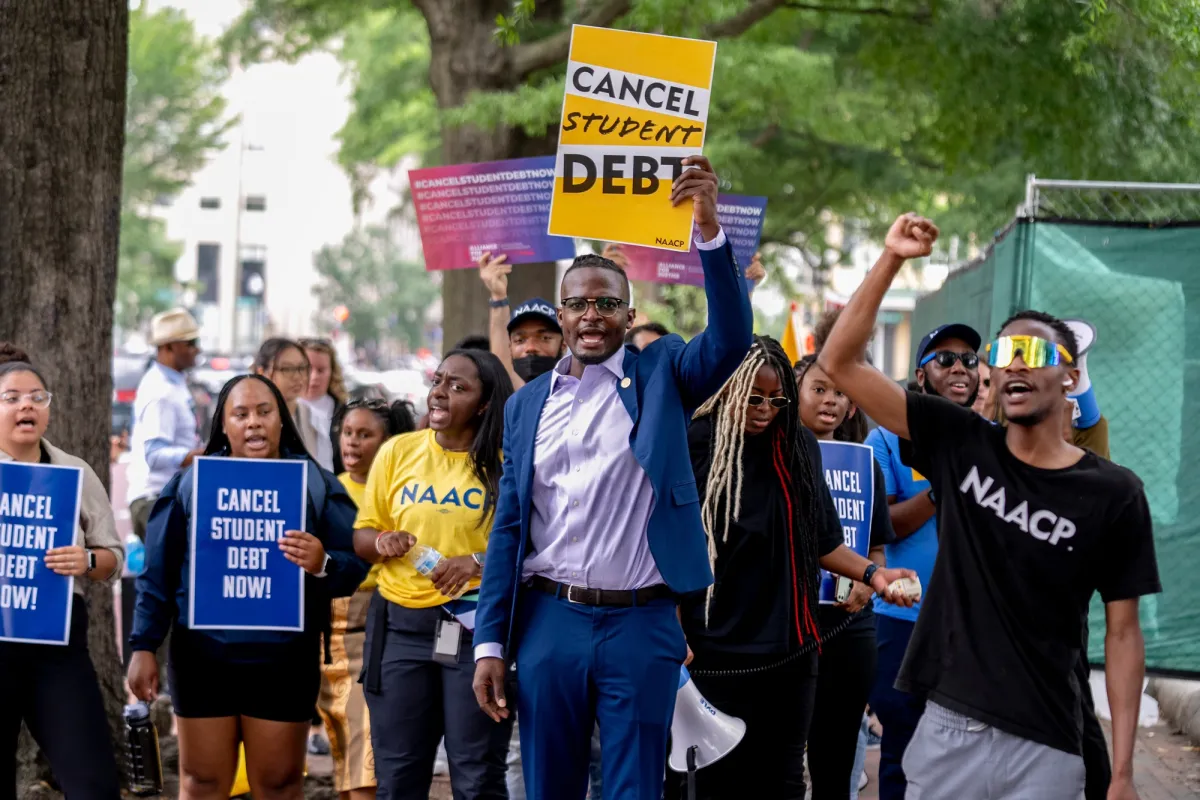
The federal SAVE (Saving on a Valuable Education) plan is officially defunct, but millions of borrowers remain enrolled, potentially facing growing debt and lost opportunities for loan forgiveness. According to the U.S. Department of Education, roughly 7.2 million people were still in SAVE’s forbearance as of December, down slightly from 7.9 million a year earlier.
Borrowers under SAVE have not been required to make payments since July 2024 while legal challenges played out. However, interest resumed accruing in August 2025, quietly increasing loan balances. Higher education expert Mark Kantrowitz estimates that the typical SAVE enrollee, with an average balance of $57,000 at a 6.7% interest rate, has seen debt grow by more than $2,500 since payments resumed. Scott Buchanan, executive director of the Student Loan Servicing Alliance, warns that remaining in SAVE halts progress toward debt cancellation programs, including Public Service Loan Forgiveness.
Many borrowers remain in the program due to confusion, financial constraints, or pending applications for new repayment plans. Nancy Nierman, assistant director of the Education Debt Consumer Assistance Program in New York, notes that some borrowers are simply waiting for their applications to be processed or were previously denied. Staying in SAVE could be costly, as the U.S. Department of Education faces a backlog of millions of income-driven repayment applications, potentially delaying access to a new plan.
Switching to other income-driven repayment options, such as the Income-Based Repayment (IBR) plan, can also increase monthly bills. Unlike SAVE, which calculated payments at 5% of discretionary income, IBR can require 10% and even 15% for older loans. Despite higher payments, very-low-income borrowers may still pay as little as $13 per month under IBR, while continuing to make progress toward forgiveness.
Experts urge borrowers to act quickly: submit applications for new repayment plans now to avoid longer wait times and further interest accrual. For those concerned about affordability, options such as unemployment deferment or other pauses where interest does not accrue may be available. Timely action is key to preventing unnecessary debt growth and keeping on track for loan forgiveness.
.webp)
Popular articles



Subscribe to unlock premium content
Lunar Dreams Become Reality

Defying Gravity in Billionaire Gyms

Celebrity-Curated Smart Homes with AI Butlers Redefine Modern Luxury

Lunar Dreams Become Reality
Defying Gravity in Billionaire Gyms
Lunar Dreams Become Reality
.png)
.png)