Middle East Airspace Shutdown Leaves Travelers Exposed as Insurance Gaps Emerge

Middle East Airspace Shutdown Leaves Travelers Exposed as Insurance Gaps Emerge
By
Alina Sinclair
Last updated:
March 3, 2026
First Published:
April 25, 2026

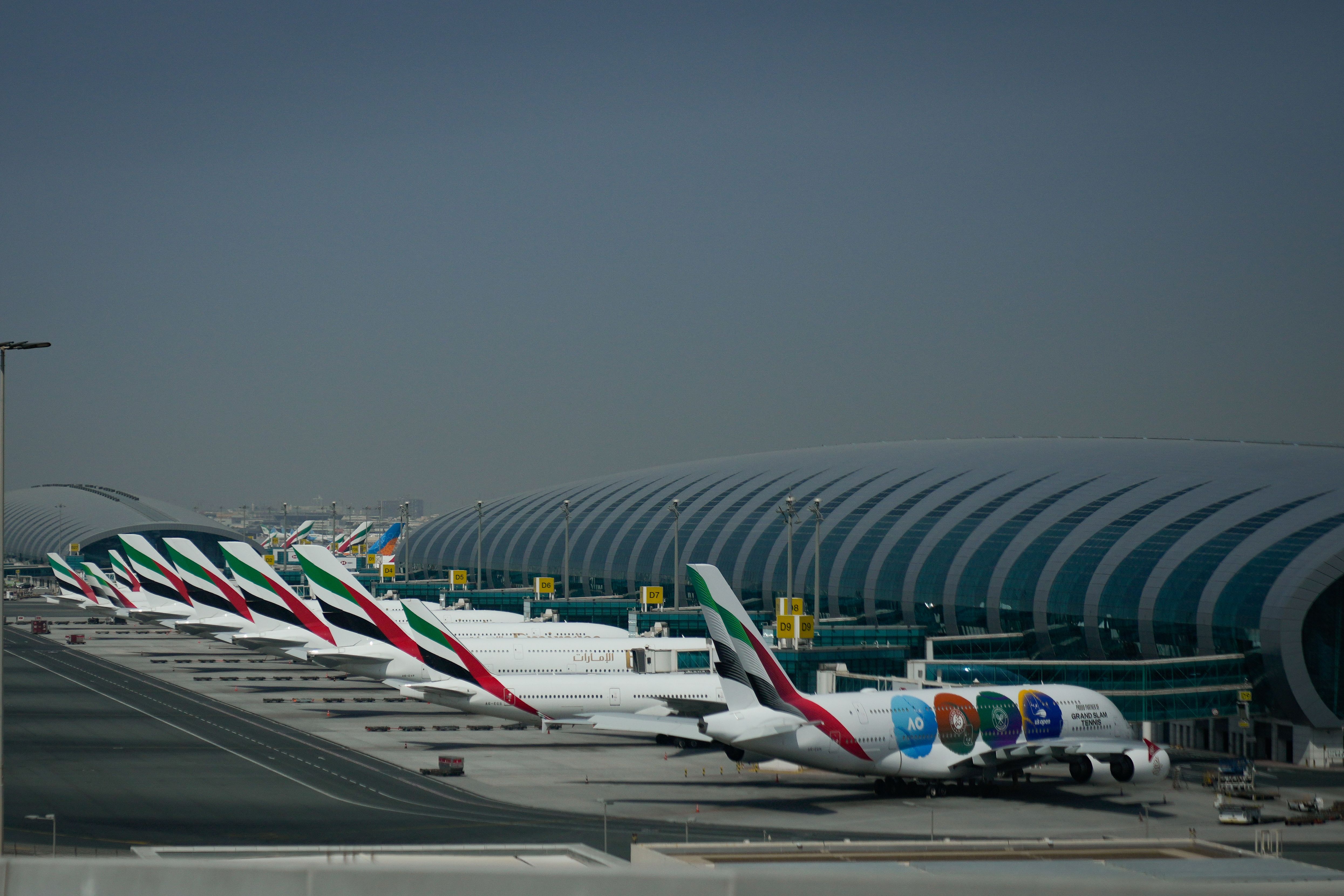
Photo: CNN
Thousands of airline passengers are scrambling to rebook trips after coordinated U.S. and Israeli strikes on Iran triggered widespread airspace closures across the Middle East. But for travelers who purchased insurance expecting financial protection, the fine print may come as an unpleasant surprise.
Standard travel insurance policies often exclude coverage for disruptions caused by acts of war, military action, or government-mandated airspace shutdowns. As a result, many vacationers facing canceled flights, missed connections, or extended stays abroad may not qualify for reimbursement of nonrefundable expenses such as airfare, hotels, cruises, or prepaid tours.
The latest travel chaos erupted after military operations targeting Iran’s leadership, including Supreme Leader Ali Khamenei, prompted retaliatory strikes across parts of the region. Major transit hubs in Dubai, Abu Dhabi, and Doha temporarily suspended or scaled back operations, sending shockwaves through global flight networks.
Thousands of Flights Grounded
According to aviation data from industry trackers, more than 1,500 flights were canceled in a single day as the crisis unfolded, representing roughly 40% of scheduled arrivals into Middle Eastern airports at the peak of the disruption. Over the course of the weekend, total cancellations reached into the thousands.
Airspace closures ripple quickly through international travel because hubs like Dubai International Airport rank among the busiest in the world by passenger volume. When such airports shut down, airlines must reroute aircraft, reposition crews, and adjust maintenance schedules — creating a domino effect that can disrupt itineraries far beyond the region.
For travelers connecting between Europe, Asia, Africa, and North America, the impact has been especially severe.
Why Many Travel Insurance Policies May Not Pay
Travel insurance is designed to protect against unexpected events such as illness, weather-related cancellations, or certain emergencies. However, policies frequently contain exclusions for war, armed conflict, political unrest, or government-imposed airspace restrictions.
That means travelers who cancel a trip outright due to safety concerns may not be eligible for reimbursement under standard trip cancellation coverage. Similarly, those already abroad who cut their vacation short may not receive compensation under traditional trip interruption benefits.
Insurance experts note that policy details vary significantly by provider. Some plans may cover indirect consequences of military events — for example, if a flight delay stems from operational issues rather than the conflict itself. In limited cases, delay benefits could reimburse expenses like meals or overnight hotel stays after a specific waiting period, often six to 12 hours.
Still, broad exclusions tied to acts of war are common across the industry.
Specialized Coverage May Offer More Flexibility
Travelers who purchased “cancel for any reason” or “interruption for any reason” add-ons may have more flexibility. These upgraded policies typically reimburse 50% to 75% of prepaid, nonrefundable trip costs if the traveler chooses to cancel or cut short a trip for reasons not otherwise covered.
However, these policies come with strict conditions. They must usually be purchased within a short window — often 14 to 21 days after making an initial trip deposit — and cancellations must occur at least 48 hours before departure. Premiums for such coverage can add 40% to 60% more to the base insurance cost.
Even then, reimbursement is often capped and does not guarantee full recovery of expenses.
Airline Policies May Provide Better Immediate Relief
Airlines are legally required to refund passengers if a flight is canceled and the traveler declines rebooking. Beyond that obligation, many carriers are offering temporary waivers that allow passengers to change travel dates or reroute without paying change fees or fare differences.
For example, United Airlines issued travel alerts covering multiple Middle Eastern destinations, including Dubai, Abu Dhabi, Beirut, and Tel Aviv, allowing customers to reschedule flights within designated date ranges at no additional cost.
While such flexibility can help travelers avoid outright financial loss on airfare, it does not typically extend to non-airline expenses such as safari tours, cruise departures, or prepaid hotel stays.
Travelers facing those secondary losses may need to negotiate directly with hotels, tour operators, or cruise lines. Many companies are offering goodwill accommodations, but policies vary widely.
A Pattern of Military Disruptions
The Middle East crisis follows several other military-related travel disruptions in recent months, including U.S. operations in Venezuela and Mexico that temporarily affected regional flight paths and cruise itineraries. The frequency of geopolitical shocks has raised broader questions about risk management in international travel.
With global air travel volumes surpassing pre-pandemic levels — more than 4 billion passengers annually worldwide — even localized conflicts can have outsized ripple effects.
President Donald Trump indicated the current conflict could last four to five weeks, though he acknowledged it may extend longer. Prolonged instability would increase the likelihood of sustained airspace restrictions and additional cancellations.
What Travelers Should Do Now
Experts recommend reviewing policy documents carefully rather than assuming coverage. Key steps include:
• Confirm whether the disruption qualifies as a covered reason under trip cancellation or interruption provisions
• Document all airline communications and keep receipts for out-of-pocket expenses
• Contact insurers directly for clarification before canceling a trip
• Explore airline waivers and rebooking options before filing a claim
For those still planning international travel, considering flexible airfare options and refundable hotel rates may offer more practical protection than relying solely on insurance.
In times of geopolitical uncertainty, travel insurance remains a valuable financial tool — but it is not a universal safety net. Understanding exclusions, especially those tied to military action and airspace closures, can prevent costly surprises when global events disrupt even the best-laid travel plans.
.webp)
Popular articles



Subscribe to unlock premium content
Greece’s Tourism-Driven Economy: Lessons From Financial Crises

The Rise of Remote Work and the Quiet Transformation of Cities

Scented Sophistication Lights Up the Season

Greece’s Tourism-Driven Economy: Lessons From Financial Crises
The Rise of Remote Work and the Quiet Transformation of Cities
Greece’s Tourism-Driven Economy: Lessons From Financial Crises