Middle East Airspace Shutdown Leaves Global Travelers Stranded After U.S. and Israeli Strikes on Iran

Middle East Airspace Shutdown Leaves Global Travelers Stranded After U.S. and Israeli Strikes on Iran
By
Calder Monroe
Last updated:
March 2, 2026
First Published:
March 2, 2026

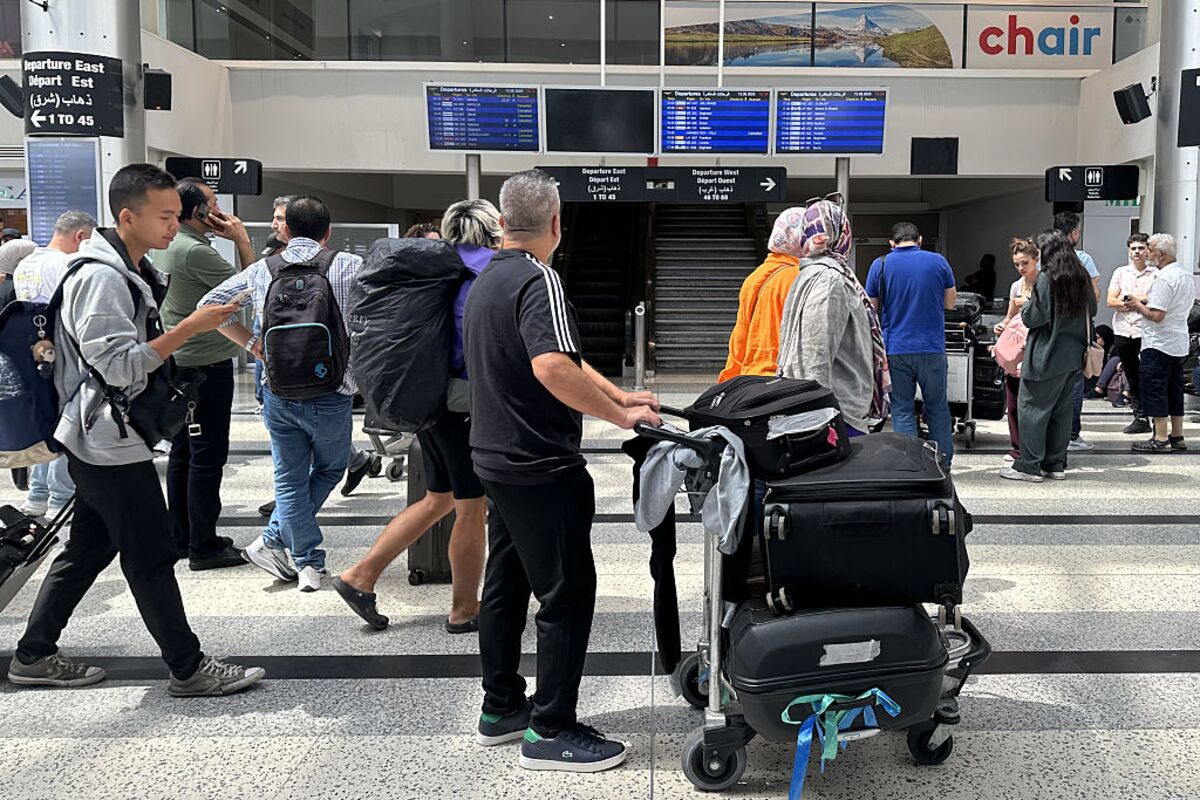
Photo: Bloomberg.com
A fresh wave of military escalation in the Middle East has triggered widespread airspace closures, grounding thousands of flights and stranding travelers across multiple continents. Following coordinated strikes by the United States and Israel on Iran, regional governments swiftly restricted civilian air traffic, disrupting one of the world’s most important aviation corridors.
From Sydney to São Paulo, and from the Maldives to major European capitals, passengers now face canceled itineraries, rerouted journeys, and unclear timelines for returning home. Aviation analysts warn that the ripple effects could extend well beyond the weekend, with airlines forced into complex logistical reshuffling before normal schedules resume.
Why Flights Across the Middle East Are Being Canceled
Since the strikes began on Saturday, approximately 3,000 flights have been canceled, according to aviation analytics firms tracking global air traffic. The sudden closure of large sections of Middle Eastern airspace has effectively shut down operations at several critical global hubs.
Among the hardest hit are:
- Dubai International Airport, one of the busiest international transit hubs in the world, handling tens of millions of passengers annually.
- Ben Gurion Airport, Israel’s primary international gateway.
- Hamad International Airport, a key transit center linking Europe, Asia, Africa, and Australia.
More than 40 flights were diverted within hours of the airspace shutdown, forcing aircraft to land in alternative airports across Europe, Asia, and North Africa. Airlines immediately suspended departures and arrivals to affected cities, while many long-haul flights were rerouted to avoid Iranian and neighboring airspace.
The Middle East functions as a critical aviation bridge between East and West. Even travelers not headed to the region are feeling the impact because major carriers rely on Gulf hubs for global connectivity. Vacationers, corporate travelers, migrant workers, and students transiting through these hubs are now stranded mid-journey.
Aircraft Positioning Complicates Recovery Efforts
The disruption is not simply about reopening airspace. Even when authorities declare it safe to resume flights, airlines face a complicated logistical challenge: their aircraft and crews are scattered worldwide.
For instance, Etihad Airways operates multiple Airbus A380 aircraft, the world’s largest passenger jet. At the time of the disruption, several were positioned in cities such as London, Paris, Toronto, and Singapore, while others remained grounded at the carrier’s base in Abu Dhabi. Repositioning these aircraft requires coordinated crew scheduling, fuel planning, and regulatory clearance.
Similarly, Qatar Airways has A380 aircraft based in Doha, with others located in Sydney, Bangkok, and additional global destinations. Until safe flight paths are restored, airlines cannot simply resume normal operations.
Meanwhile, Israel’s national carrier, El Al, has paused new ticket sales. The airline announced that its immediate focus will be on transporting existing ticket holders back to Israel once conditions permit.
Industry experts expect that once airspace reopens, airlines will deploy recovery strategies that may include:
- Adding extra “repatriation” flights
- Increasing seat capacity on key routes
- Prioritizing stranded passengers over new bookings
- Adjusting flight paths to avoid sensitive zones
A similar pattern was seen during the early days of the Covid-19 pandemic in 2020, when governments and carriers coordinated special flights to bring citizens home from abroad.
How Long Could Disruptions Last?
As of late Sunday morning Eastern Time, regional airspace restrictions remained in effect. Aviation authorities are closely monitoring ongoing military developments, and airlines are waiting for clear safety assessments before committing aircraft and crews back into the region.
Even if hostilities subside quickly, flight schedules may take days or even weeks to normalize. Aircraft rotations, crew rest requirements, and maintenance schedules must all be recalibrated. Additionally, pent-up demand from stranded passengers could create booking bottlenecks.
Travel demand in the Gulf region is particularly sensitive because it serves as a transfer nexus for Europe–Asia, Europe–Australia, and Africa–North America routes. Any prolonged disruption could impact cargo shipments, business travel, and tourism flows during a peak summer season.
What Stranded Travelers Should Do Now
Passengers affected by cancellations should:
- Monitor airline websites and mobile apps for real-time updates
- Contact carriers directly regarding rebooking options
- Check for destination-specific travel waivers
- Avoid canceling tickets independently before confirming refund policies
Most major airlines have issued temporary waivers allowing free rebooking or refunds for affected routes. However, availability remains tight.
Travelers connecting through Gulf hubs should expect cascading delays even if their origin and final destination are outside the conflict zone.
Will Travel Insurance Cover Military Escalation?
For many travelers, insurance coverage may offer limited relief.
Standard travel insurance policies typically exclude “foreseeable events.” Once a military strike or geopolitical conflict has already occurred, new policies generally will not cover cancellations tied to that event.
To receive broader protection, travelers would have needed to purchase “Cancel For Any Reason” coverage before the escalation began. These policies are significantly more expensive and often reimburse only a portion of prepaid expenses.
As a result, many passengers booking after the conflict began may find themselves responsible for nonrefundable costs.
Broader Aviation and Industry Impact
Beyond stranded tourists, the aviation industry faces mounting operational pressure. Airlines operating in and around the Middle East generate billions in annual revenue from transit passengers. Extended closures could dent quarterly earnings, increase fuel consumption due to longer rerouted paths, and strain crew resources.
Cargo operations may also face delays, affecting time-sensitive shipments moving between Asia, Europe, and North America.
The coming days will be critical. If airspace reopens quickly and tensions stabilize, airlines may contain the financial impact. However, sustained instability could reshape flight networks across one of the world’s most strategically important aviation regions.
For now, uncertainty remains high — and thousands of travelers around the globe are waiting for the skies to reopen.

Popular articles


Subscribe to unlock premium content
London’s Gourmet Playgrounds

From Bean to Buzz in Thailand

The Secret Life of Pop-Up Luxury Restaurants in Paris

London’s Gourmet Playgrounds
From Bean to Buzz in Thailand
London’s Gourmet Playgrounds