
Micron Shares Tumble 10% as Post-Earnings Sell-Off Deepens

Micron Shares Tumble 10% as Post-Earnings Sell-Off Deepens
By
Alina Sinclair
Last updated:
March 31, 2026
First Published:
April 25, 2026

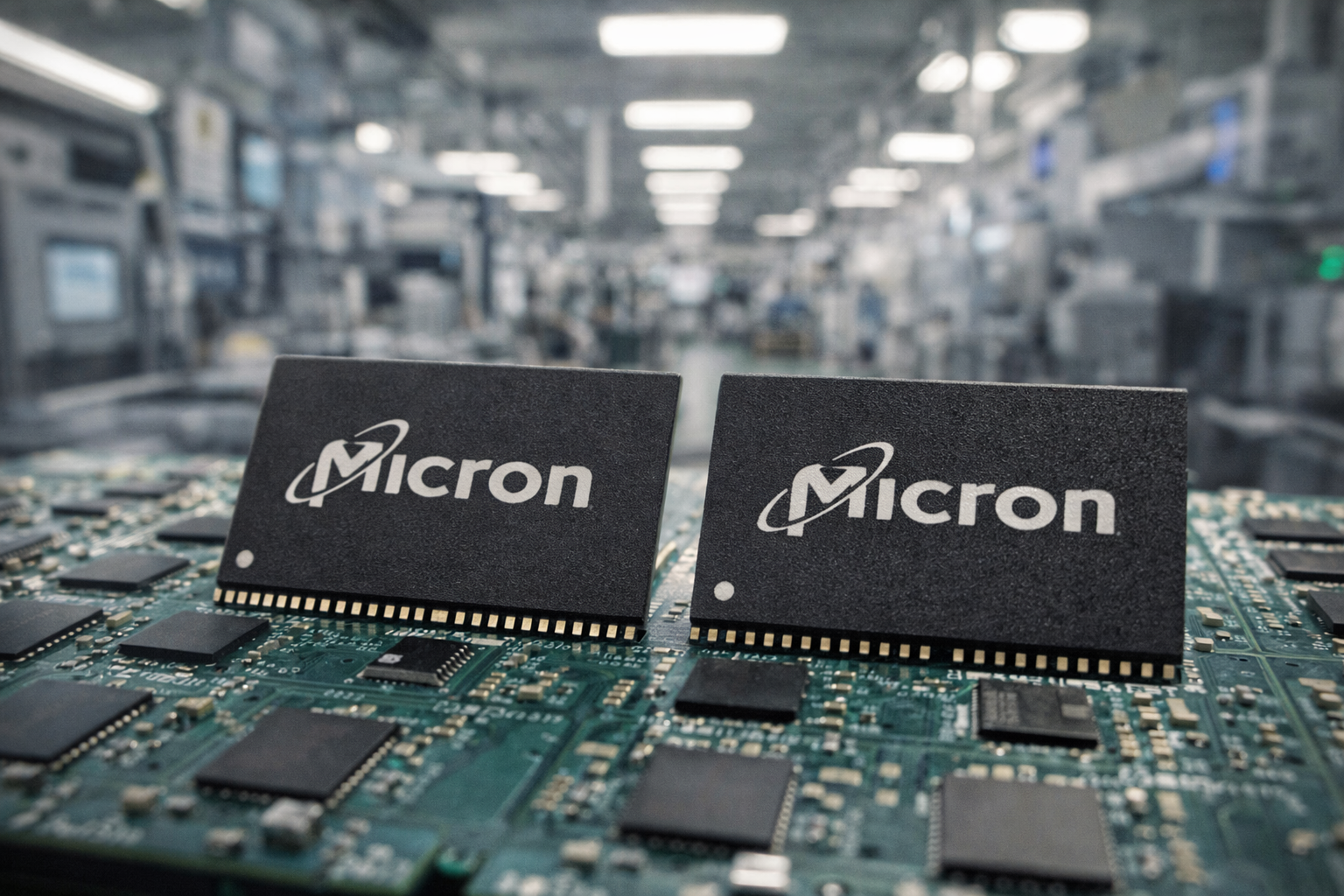
Photo: CryptoRank
Sharp Decline Extends Post-Earnings Slide
Shares of Micron Technology dropped another 10% on Monday, intensifying a steep sell-off that began shortly after the company released its latest earnings on March 18. Despite reporting strong quarterly results, investor sentiment has turned sharply negative, dragging the stock down nearly 30% from its recent peak.
The decline follows a brief pause in losses last week, when the stock snapped a six-day losing streak with a modest rebound. However, renewed selling pressure has erased that recovery, signaling broader concerns among investors.
Strong Results Overshadowed by Market Reality
Micron’s second-quarter earnings were, by most measures, robust. The company benefited from surging demand tied to artificial intelligence infrastructure, particularly high-bandwidth memory used in advanced computing systems.
However, markets appear to be focusing less on past performance and more on forward-looking risks. Investors are increasingly concerned about valuation levels, supply bottlenecks, and macroeconomic uncertainty—all of which have weighed heavily on high-growth tech stocks.
AI Demand Surges, But Supply Falls Short
According to CEO Sanjay Mehrotra, the company is struggling to keep pace with unprecedented demand for memory chips. On recent earnings calls, he նշել that key customers are receiving only 50% to 66% of the memory supply they require.
Micron is one of the three dominant players in the global memory market, alongside SK Hynix and Samsung Electronics. These firms supply critical components for AI accelerators developed by companies like Nvidia.
The imbalance between demand and supply has created a paradox: while pricing power and long-term growth prospects remain strong, near-term constraints are limiting revenue upside and creating uncertainty around delivery timelines.
Broader Tech Sell-Off Adds Pressure
Micron’s decline is not happening in isolation. The broader technology sector also faced significant losses, as rising oil prices and escalating geopolitical tensions triggered a risk-off sentiment across global markets.
AI infrastructure companies such as CoreWeave and Nebius each dropped around 8%, reflecting investor caution toward high-growth, capital-intensive businesses.
Meanwhile, other storage and memory-related firms, including SanDisk and Western Digital, also posted sharp declines of 7% to 9%, signaling a sector-wide pullback.
Geopolitical Risks Amplify Market Volatility
The ongoing Iran conflict, now stretching into its fifth week, has added another layer of uncertainty. Rising crude oil prices—driven by supply disruptions and threats to critical infrastructure—are increasing inflationary pressures and dampening investor appetite for riskier assets.
Statements from Donald Trump regarding potential escalation in the region have further unsettled markets, contributing to volatility across equities, particularly in the tech sector.
From Massive Gains to Sudden Pullback
Despite the recent downturn, Micron’s longer-term performance remains notable. The stock surged approximately 270% over the past year, fueled by optimism around AI-driven demand cycles and memory pricing recovery.
However, much of that momentum has faded in 2026. Year-to-date, the stock is now up only around 2%, highlighting how quickly sentiment can shift in high-growth sectors.
Outlook Hinges on Execution and Stability
Looking ahead, Micron’s trajectory will depend on its ability to scale production, alleviate supply constraints, and capitalize on sustained AI demand. At the same time, external factors such as geopolitical stability, energy prices, and broader market conditions will continue to influence investor sentiment.
For now, the company remains a key player in the AI supply chain—but its stock performance reflects a market that is becoming increasingly cautious, even in the face of strong fundamentals.
.webp)
Popular articles



Subscribe to unlock premium content
AI-Curated Luxury Shopping Experiences Transform the Market

Limited-Run Anime Originals Redefining Global Entertainment

Micro-Vertical Farming Becomes Corporate Gold
.png)
AI-Curated Luxury Shopping Experiences Transform the Market
Limited-Run Anime Originals Redefining Global Entertainment
AI-Curated Luxury Shopping Experiences Transform the Market


