Mick Mulvaney Pushes for State Oversight of Prediction Markets After Surge in Iran War Bets

Mick Mulvaney Pushes for State Oversight of Prediction Markets After Surge in Iran War Bets
By
Alina Sinclair
Last updated:
March 4, 2026
First Published:
April 25, 2026


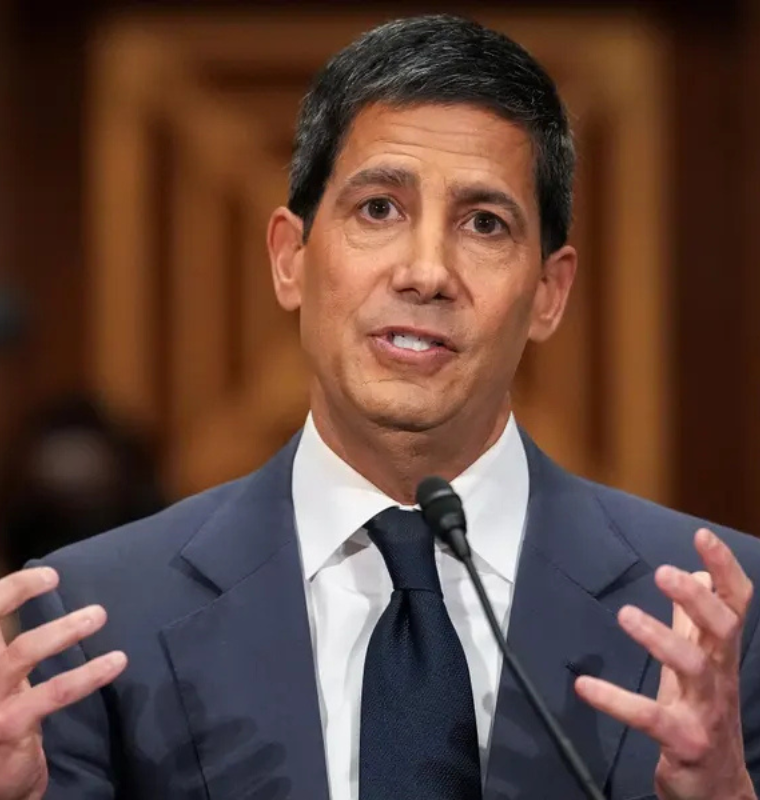
Photo: WIRED
Former White House Chief of Staff Mick Mulvaney is calling for state regulators — not federal commodities officials — to oversee the rapidly expanding prediction market industry, following a spike in high-profile betting tied to geopolitical events such as the recent Iran conflict.
Mulvaney, who previously served as a Republican congressman from South Carolina and led the Consumer Financial Protection Bureau, now heads a coalition called “Gambling Is Not Investing.” The group argues that event-based contracts offered by platforms like Kalshi and Polymarket are effectively sports betting under another name and should fall under state-level gambling regulation.
Prediction Markets Under Scrutiny
Prediction markets allow users to purchase contracts tied to real-world outcomes — from election results and economic data releases to military action and sporting events. If the predicted outcome occurs, the contract pays out, often at predetermined odds.
Mulvaney contends that such contracts are functionally indistinguishable from wagering. In his view, buying a contract predicting a basketball team’s victory mirrors traditional sports gambling, regardless of how the product is structured legally.
The industry has grown rapidly in recent years. Platforms such as Kalshi, which operates under U.S. regulatory approval, and blockchain-based Polymarket have seen surging trading volumes, particularly during major political cycles and international crises. During periods of heightened geopolitical tension, some contracts tied to military actions or diplomatic developments have generated significant liquidity and outsized returns for traders who anticipated specific outcomes.
Federal Versus State Regulation Debate
At the center of the dispute is which authority should regulate prediction markets. The Commodity Futures Trading Commission maintains that it has jurisdiction over event-based contracts, classifying them as derivatives or commodities-related instruments.
Mulvaney argues that the CFTC’s mandate is primarily to oversee financial markets and ensure orderly trading, not to provide consumer protections typically associated with gambling oversight. State gaming commissions, he says, are better equipped to regulate betting activities, enforce licensing requirements and implement safeguards against problem gambling.
He points to his own experience running the Consumer Financial Protection Bureau, suggesting that agencies structured around market oversight operate differently from those focused on consumer risk mitigation.
National Security Concerns
The debate intensified after prediction contracts tied to potential U.S. military action reportedly paid off for traders who correctly anticipated escalation involving Iran. Mulvaney has called for further scrutiny of such trades, raising the possibility that individuals with access to nonpublic or classified information could exploit prediction markets for profit.
Beyond insider trading concerns, he suggested a broader national security dimension. If foreign adversaries monitor prediction markets and detect unusual trading patterns ahead of official announcements, they might infer sensitive information about U.S. strategic intentions.
Members of Congress from both parties have expressed similar concerns in recent months, particularly as event-driven markets expand into politically and militarily sensitive territory.
Transparency and Funding Questions
Mulvaney’s coalition has drawn attention not only for its policy position but also for its funding structure. When asked about financial backers or membership, he stated that the group is not legally required to disclose its funding sources.
The lack of transparency could become part of the broader policy debate as regulators and lawmakers assess whether prediction markets represent innovative financial instruments or lightly regulated betting platforms.
Industry Growth and Future Regulation
The prediction market sector sits at the intersection of finance, technology and gambling law. Some advocates argue that these markets improve information aggregation and provide hedging tools for businesses exposed to political or regulatory risk. Critics counter that they blur the line between investing and wagering, potentially exposing retail participants to losses without traditional consumer protections.
As trading volumes rise and platforms expand their offerings, regulatory clarity is becoming increasingly urgent. The outcome of the jurisdictional dispute between federal agencies and state regulators could shape the future of event-based trading in the United States.
Mulvaney’s position reflects a broader philosophical divide: whether prediction contracts should be treated as innovative financial derivatives or regulated as gambling products subject to state oversight. With geopolitical events now driving significant trading activity, that debate is likely to intensify in the months ahead.
.webp)
Popular articles



Subscribe to unlock premium content
Step Into the Future of Art

London’s Gourmet Playgrounds

The New Frontier of Children’s Entertainment

Step Into the Future of Art
London’s Gourmet Playgrounds
Step Into the Future of Art