Michael Burry Says He’s Not Betting Against Tesla Despite Calling It Overvalued

Michael Burry Says He’s Not Betting Against Tesla Despite Calling It Overvalued
By
Leah Rosenfeld
Last updated:
January 1, 2026
First Published:
April 25, 2026


Getty Images
Burry Clarifies His Position on Tesla
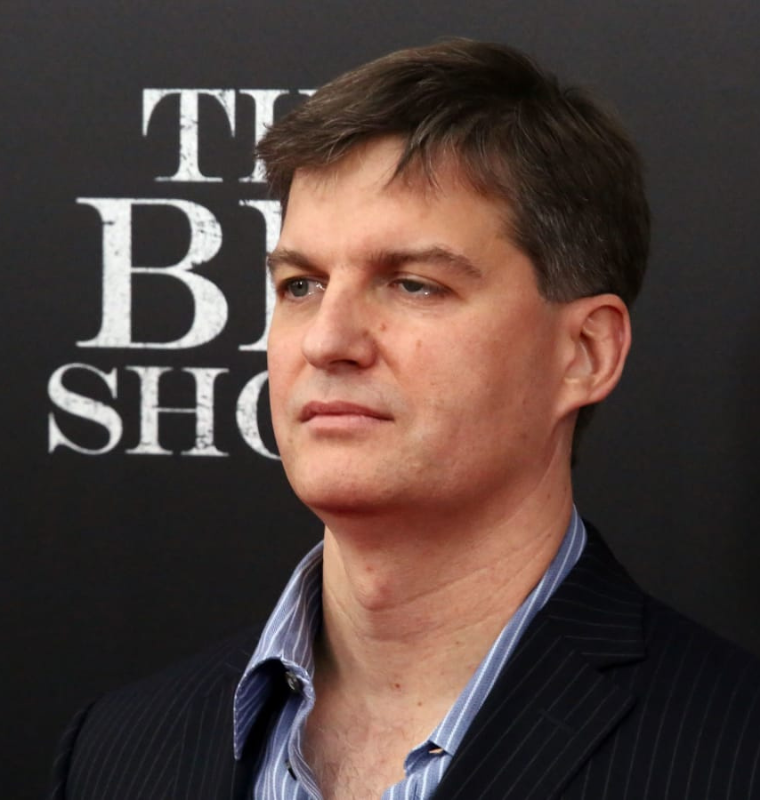
Michael Burry, the investor famed for predicting the 2008 housing market collapse, confirmed Wednesday that he is not shorting Tesla shares despite previously describing the electric vehicle maker as “ridiculously overvalued.” Responding to a question on X, the Scion Asset Management founder wrote simply, “I am not short,” putting to rest speculation about a potential high-profile bet against the automaker.
Earlier this month, Burry shared a similar view with subscribers to his paid Substack newsletter, emphasizing that Tesla’s market capitalization does not align with fundamentals.
Tesla’s 2025 Performance and Delivery Trends
Tesla has experienced a turbulent year in 2025. Shares have climbed roughly 12.5% year to date, recovering from a sharp drop in the first quarter amid heightened competition from Chinese EV makers and public scrutiny over CEO Elon Musk’s political statements. The stock also reached an all-time closing high of $489.88 earlier this year.
Adding to investor caution, Tesla published delivery estimates that suggest a slower pace for the year. The company expects approximately 1.6 million vehicle deliveries in 2025, down around 8% from 2024, marking the second consecutive annual decline in production. These figures, while not formal sales guidance, offer the closest insight into Tesla’s operational performance.
Burry’s Broader Market Perspective
Burry has remained active in voicing opinions on tech valuations. Recently, he highlighted that some of the largest U.S. companies might be inflating profits through aggressive accounting tied to the artificial intelligence boom. His caution toward overvalued tech shares contrasts with his decision not to short Tesla, illustrating a measured, selective approach to risk in volatile markets.
As Tesla navigates slowing deliveries, competitive pressures, and market volatility, investors will be closely watching whether the company can sustain growth while maintaining high valuation multiples. Burry’s comments underscore ongoing debates about the sustainability of Tesla’s stock price relative to its production performance.
Looking Ahead
With EV competition intensifying and delivery targets signaling potential stagnation, Tesla faces critical strategic choices in 2026. Burry’s stance—acknowledging overvaluation yet avoiding a short position—reflects the complexity of betting against a high-profile, volatile stock amid broader market shifts.
Tesla’s path forward will depend on balancing production efficiency, market expansion, and investor expectations, as Wall Street continues to weigh the company’s long-term growth against near-term operational challenges.
.webp)
Popular articles



Subscribe to unlock premium content
Step Into the Future of Art

London’s Gourmet Playgrounds

The New Frontier of Children’s Entertainment

Step Into the Future of Art
London’s Gourmet Playgrounds
Step Into the Future of Art